
Just so we’re all on the same page. Please ensure you’ve made yourself acquainted with my disclaimer
Heads up! This post contains affiliate links. If you click and buy, I might earn a small commission – think of it as a tip for my historical taste-testing adventures. It won’t cost you a penny more, but it keeps my time-traveling table spinning. Thanks for the support!
Rockin’ the Stone Age: A Day in the Life of a Prehistoric Trailblazer
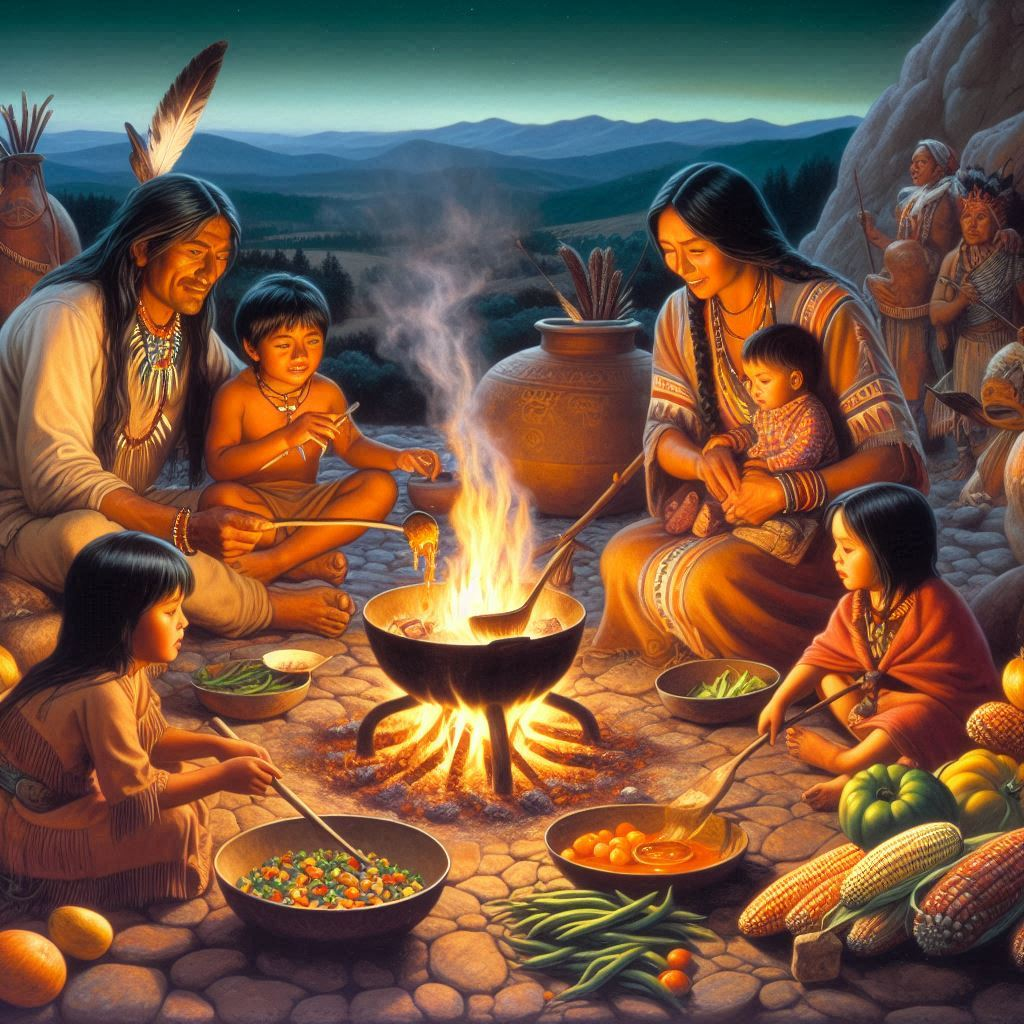
Life in the region now called the United States around 0 BC was shaped by diverse cultures, climates, and ecosystems. This period predates written records in the Americas, so much of what we know comes from archaeological findings and oral traditions.
Population
Estimated population in what is now the United States: ~1-2 million.
- People were distributed unevenly, with higher concentrations in resource-rich areas such as the Mississippi Valley, the Southwest, and coastal regions.
Average Weather Temperatures and Climate
The climate varied significantly depending on the region:
- Northeast (Eastern Woodlands):
- Temperate climate with warm summers (70–85°F) and cold winters (20–35°F).
- Southeast:
- Subtropical with hot, humid summers (80–95°F) and mild winters (40–60°F).
- Great Plains:
- Continental climate with hot summers (85–100°F) and cold winters (-10–35°F).
- Southwest:
- Arid to semi-arid with hot days (85–100°F) and cool nights (30–50°F).
- Pacific Northwest:
- Mild and wet climate with temperatures ranging from 40–70°F year-round.
Diet
Staple foods and drinks were highly localized but generally included:
- Eastern Woodlands: Nuts (acorns, hickory nuts), seeds, berries, game (deer, turkey), fish, and gathered plants.
- Southwest: Early forms of cultivated maize, beans, and squash (the “Three Sisters”); wild seeds and cactus fruits.
- Plains: Wild game, especially bison, along with gathered roots and seeds.
- Pacific Northwest: Fish (especially salmon), shellfish, and seaweed.
- Drinks: Water was the primary drink, occasionally flavored with plant extracts.
Clothing
- Made from animal hides, plant fibers, and fur, tailored to the climate.
- Decorated with dyes from plants and minerals, as well as beads or shells.
- Footwear such as moccasins was common.
Housing
- Eastern Woodlands: Wigwams or longhouses constructed from wooden frames and bark.
- Southwest: Pit houses or early pueblos made of adobe or stone.
- Plains: Temporary shelters like tipis for nomadic groups; more permanent earth lodges for settled ones.
- Pacific Northwest: Plank houses made from large cedar logs.
Health and Life Expectancy
- Child survival rate: ~50% of children might not survive to adulthood, mainly due to disease, malnutrition, or accidents.
- Life expectancy (for those surviving childhood): ~30-50 years, depending on region and living conditions.
- Health challenges: High infant mortality, infectious diseases, injuries, and complications during childbirth.
- Healthcare: Relied on traditional medicine, including herbal remedies, spiritual practices, and community healers.
Social Structures
- Organized into clans or tribes, often matrilineal or patrilineal depending on the region.
- Leadership roles were typically held by chiefs or councils, with responsibilities divided among genders.
- Marriage and family:
- Marriage age varied but often occurred in the late teens or early twenties.
- Monogamy was common, though some groups allowed polygamy.
- Families often had 4-6 children, though survival rates meant fewer lived to adulthood.
Popular Games and Ways People Passed the Time
Games and Competitions
- Stick and Hoop Game:
- Players aimed to throw or roll a small hoop and hit it with a spear or stick as it moved.
- Chunky:
- A game in the Southeast where a stone disc (the “chunky stone”) was rolled, and players threw spears to land closest to where it stopped.
- Running Races:
- Organized foot races tested endurance and speed.
- Mock Hunts or Battles:
- Children often practiced hunting or combat techniques by mimicking adults with wooden weapons.
- Dice Games:
- Played with carved bone or wood pieces, used for both entertainment and decision-making.
Other Leisure Activities
- Storytelling:
- Oral traditions passed down history, legends, and cultural values during communal gatherings.
- Crafting:
- Time was spent weaving baskets, creating pottery, carving tools, or decorating clothing with beads and natural dyes.
- Dancing and Music:
- Ceremonial and social dances accompanied by drums, flutes, and rattles brought communities together.
- Socializing and Trade:
- Gatherings with neighboring groups allowed for exchange of goods, news, and companionship.
- Nature Observation:
- People spent time learning animal behaviors, plant growth patterns, and weather changes to ensure survival and resource management.
These activities not only entertained but also strengthened social bonds, taught skills, and reinforced cultural identity.
Religion and Art
- Religion: Strong spiritual connections to nature and the land; rituals often revolved around seasonal cycles and community well-being.
- Art: Included pottery, basketry, carvings, and ceremonial objects; designs often held symbolic meanings.
Jammin’ in 0 BC: Ancient American Instruments That Rocked the New World
Music played a central role in spiritual, social, and practical life in indigenous cultures. Instruments were crafted from natural materials and were often used in ceremonies, storytelling, and communal gatherings.
Common Instruments:
- Drums:
- Made from hollowed logs, clay, or gourds, with animal hides stretched over the frame.
- Used for rituals, dances, and communal ceremonies to maintain rhythm and evoke spiritual connections.
- Flutes:
- Carved from wood, bone, or reeds.
- Played for personal expression, courtship, storytelling, and spiritual purposes.
- Rattles:
- Made from gourds, turtle shells, or hollow bones filled with seeds or pebbles.
- Used in ceremonies to accompany chants and dances.
- String Instruments:
- Early forms of musical bows, created from a bent stick with a taut string, played by plucking or striking.
- Percussion Sticks:
- Simple wooden sticks or clappers used to create rhythmic sounds.
- Shell or Bone Whistles:
- Small instruments made from shells or bones, used for signaling or ceremonial purposes.
- Bullroarers:
- Thin, flat wooden pieces spun to produce a low, humming sound.
- Often used in rituals or to communicate across distances.
How Instruments Were Used
- Spiritual Ceremonies: Instruments accompanied rituals to honor spirits, conduct healing ceremonies, or celebrate seasonal changes.
- Storytelling: Flutes and rattles often enhanced oral storytelling by adding atmosphere and emotion.
- Dance and Community Gatherings: Drums and rattles provided rhythm for social dances and celebrations.
- Personal Use: Flutes and whistles were used for personal expression and emotional exploration, often in solitude.
Language and Writing
- No formal writing systems; communication was oral, with rich storytelling traditions.
- Complex languages varied significantly between regions.
Tools
- Stone tools: Axes, knives, scrapers, and projectile points.
- Bone tools: Needles, awls, and fishhooks.
- Wooden tools: Digging sticks and spear shafts.
- Early pottery and woven baskets for storage.
Challenges
- Environmental challenges: Harsh weather, food shortages, and natural disasters.
- Conflicts: Likely disputes over resources, though large-scale battles were rare.
- Disease: Epidemics were less common but still impacted communities.
Advancements Since 1000 BC
- Increased reliance on agriculture, especially in the Southwest.
- Development of trade networks, such as the Hopewell Exchange System in the Midwest.
- The Hopewell Exchange System was a vast network of trade routes and cultural interactions among various Native American societies in the northeastern and midwestern United States during the Middle Woodland period (roughly 100 BC to 500 AD). This system connected different communities through the exchange of goods, ideas, and rituals, spanning from the northern shores of Lake Ontario to the Crystal River Indian Mounds in Florida.
- Key aspects of the Hopewell Exchange System include:
- Trade of Exotic Materials: Items such as copper, mica, shells, and obsidian were traded over long distances.
- Cultural Interaction: The exchange of goods also facilitated the spread of ideas, religious practices, and artistic styles.
- Major Trading Sites: Important sites like the Hopewell Mound Group and Newark Earthworks served as hubs for these interactions.
- The Hopewell Exchange System was a vast network of trade routes and cultural interactions among various Native American societies in the northeastern and midwestern United States during the Middle Woodland period (roughly 100 BC to 500 AD). This system connected different communities through the exchange of goods, ideas, and rituals, spanning from the northern shores of Lake Ontario to the Crystal River Indian Mounds in Florida.
- More complex social structures, including the rise of mound-building cultures like the Adena and Hopewell.
- Early engineering projects like irrigation systems in the Southwest.
Significant Events or Trials
- Climatic shifts impacted agriculture and settlement patterns.
- Major cultural developments included the construction of ceremonial mounds and the refinement of pottery and tools.
This snapshot reflects a varied and complex lifestyle shaped by local environments and cultures, with significant advancements and challenges that laid the groundwork for later civilizations.
Entertainment
The time period around 0 BC in what is now the United States is largely prehistory, with no written records or contemporary accounts. Fictional and dramatized depictions of indigenous life during this era are often inspired by archaeological findings, oral traditions, and interpretations of ancient cultures. Here are suggestions for media that portray or are inspired by this time period:
For Adults
- “In the Hands of the Great Spirit: The 20,000-Year History of American Indians” by Jake Page
- A comprehensive history of Native American life, from their origins to the present
- “The First Americans”
- A documentary series that explores the history and culture of Native American tribes
- “American Experience: We Shall Remain”
- A PBS series that tells the story of Native American history from their perspective
For Children
- “Brother Bear” (2003) – Movie
- This animated Disney film is set in a prehistoric North American environment and explores themes of family, respect for nature, and indigenous spirituality.
- “The First Americans: Prehistory-1600” by Joy Hakim – Book
- Part of the “A History of US” series, this educational book introduces young readers to the history and cultures of Native Americans before European contact.
- “Walking with Beasts” (2001) – TV Series (Episode)
- This BBC series includes episodes that explore prehistoric environments, creatures, and the lives of early humans.
- “North America’s First Peoples” by Mir Tamim Ansary – Book
- A child-friendly introduction to the lives of indigenous peoples in North America, with a focus on their cultures, tools, and ways of life before European influence.
Notes
- For this time period, historical accuracy is limited as it predates written records in North America. Most media are either speculative, inspired by archaeological evidence, or based on later indigenous traditions.
- Many depictions, particularly in older media, can reflect outdated stereotypes. Look for works created or consulted by indigenous authors and filmmakers for authenticity.
Tunes from the Dawn of Time: Your 0 BC-Inspired Jam Session!
Although specific songs from 0 BC are unavailable, modern interpretations and indigenous music inspired by these traditions can provide insight into the soundscape of the time. Here’s a list of recommended tracks and artists that evoke the spirit of indigenous music:
- Music by R. Carlos Nakai
- A Native American flute artist.
- Music by Robert Tree Cody
- A Native American artist using flute and percussion to emulate the sounds of nature and movement.
Suggestions for Exploration
- Listen to traditional Native American music recordings to experience authentic recreations of ceremonial and social songs.
- Explore collections from artists preserving and interpreting traditional indigenous music, such as R. Carlos Nakai, Joanne Shenandoah, and others.
Feasting Like Our Ancestors: A 0 BC American Culinary Experience
Breakfast
- Meal: Acorn porridge sweetened with honey and topped with fresh or dried berries (e.g., blackberries, blueberries, or cranberries).
- Beverage: Herbal infusion made from pine needles (rich in Vitamin C) or water flavored with wild mint.
Dinner
- Snack: Smoked salmon or dried venison jerky with a handful of dried cranberries or wild blueberries.
- Entree: Roasted turkey seasoned with wild herbs (e.g., sage, or juniper).
- Cooked over an open flame or baked in a pit oven lined with hot stones and covered with earth for even heat.
- Side: Cornbread
- Made from ground maize (corn) mixed with water and cooked as a flatbread on hot stones
- Side: Wild Rice Pilaf with Pine Nuts and Raisins
- Wild rice (harvested from marshes) cooked with water and flavored with roasted pine nuts and sun-dried raisins.
- Dessert: Roasted pecans coated in maple syrup lightly toasted over a fire.
- Beverage: Cranberry juice (prepared by crushing cranberries and diluting with water, potentially sweetened with honey).
Ancient Eats, Modern Treats: A 0 BC-Inspired Menu with a 21st Century Twist!
Breakfast
- Meal: Maple Cornmeal Porridge with Berries and Pecans
- This meal is being updated as acorn porridge is likely out of reach for modern day people not willing to put in a ton of work. Read this post if you’d like more context
- Beverage: Herbal infusion made from pine needles (rich in Vitamin C) or water flavored with wild mint.
Dinner
- Snack: Smoked salmon or dried venison jerky with a handful of dried cranberries or wild blueberries.
- Entree: Roasted turkey seasoned with wild herbs.
- Unless it’s Thanksgiving time, turkey is not easy to find whole. I used ground turkey which can be found at all my local grocery stores, and it was seasoned with onions and sage.
- Side: Cornbread
- Made from ground maize (corn) mixed with water and cooked as a flatbread on a skillet.
- Side: Wild Rice Pilaf with Pine Nuts and Raisins
- Wild rice cooked with water and flavored with roasted pine nuts and raisins.
- Dessert: Roasted pecans coated in maple
- Beverage: Cranberry juice
- I opted for straight cranberry juice because cranberry cocktail juice is basically a juice blend now, with apple and who knows what else thrown in (when did that happen?). I had totally forgotten how much of a pucker 100% cranberry juice can be, so be forewarned. Wowza!
Tools and Techniques
- Grinding Stones (Metates and Mano):
- Used to grind maize into flour for cornbread and acorns for porridge.
- Clay Pots:
- Used for boiling wild rice and making infusions. Clay pots could be placed directly in fire or heated with hot stones.
- Hot Stones:
- Used for baking flatbreads or roasting nuts.
- Pit Ovens:
- Dug into the ground and lined with heated stones for roasting turkey. Covered with soil to trap heat.
- Wooden Utensils:
- For stirring, serving, and mixing.
- Knives and Scrapers:
- Made from flint or obsidian for cutting turkey, nuts, and berries.
 Time Traveling Table
Leave a comment