
Just so we’re all on the same page. Please ensure you’ve made yourself acquainted with my disclaimer
A Day in the Life of 1300 AD: Hunting, Harvesting, and Heartfelt Flute Tunes
Population and Distribution
In 1300 AD, the population in what is now the United States was between 1 and 5 million. This estimate includes diverse Indigenous cultures, such as the Mississippian peoples in the Southeast, the Pueblo peoples in the Southwest, and various nomadic and semi-nomadic groups on the Great Plains and along the coasts.
Climate and Weather
1300 AD marks the start of the Little Ice Age, a period of cooler global temperatures.
- Annual Average Temperatures:
- Southeast (Mississippi Valley): 55–65°F (13–18°C)
- Southwest (Desert regions): 50–70°F (10–21°C), cooler at night
- Plains: 45–60°F (7–15°C), with harsher winters
- Northeast: 40–50°F (4–10°C), with cold winters and mild summers
Droughts were significant in some areas, such as the Four Corners region, which led to the abandonment of sites like Mesa Verde by the Ancestral Puebloans.
Diet
The diet varied based on region but was diverse and nutritious. Staple foods included:
- Corn (Maize): The backbone of most diets, often ground into meal.
- Beans: Provided protein when paired with corn.
- Squash: Nutrient-dense and stored well for winter.
- Fish and Game: Deer, bison, rabbits, and fish were common protein sources.
- Fruits and Nuts: Acorns, berries, and wild fruits.
- Drinks: Water, herbal teas, and corn-based beverages.
In the Mississippian culture, agriculture was advanced, and food surpluses supported large towns like Cahokia.
Clothing
Clothing was made from natural materials:
- Animal Skins: Deerhide was common for leggings, tunics, and moccasins.
- Plant Fibers: Cotton in the Southwest and woven bark in the Northwest.
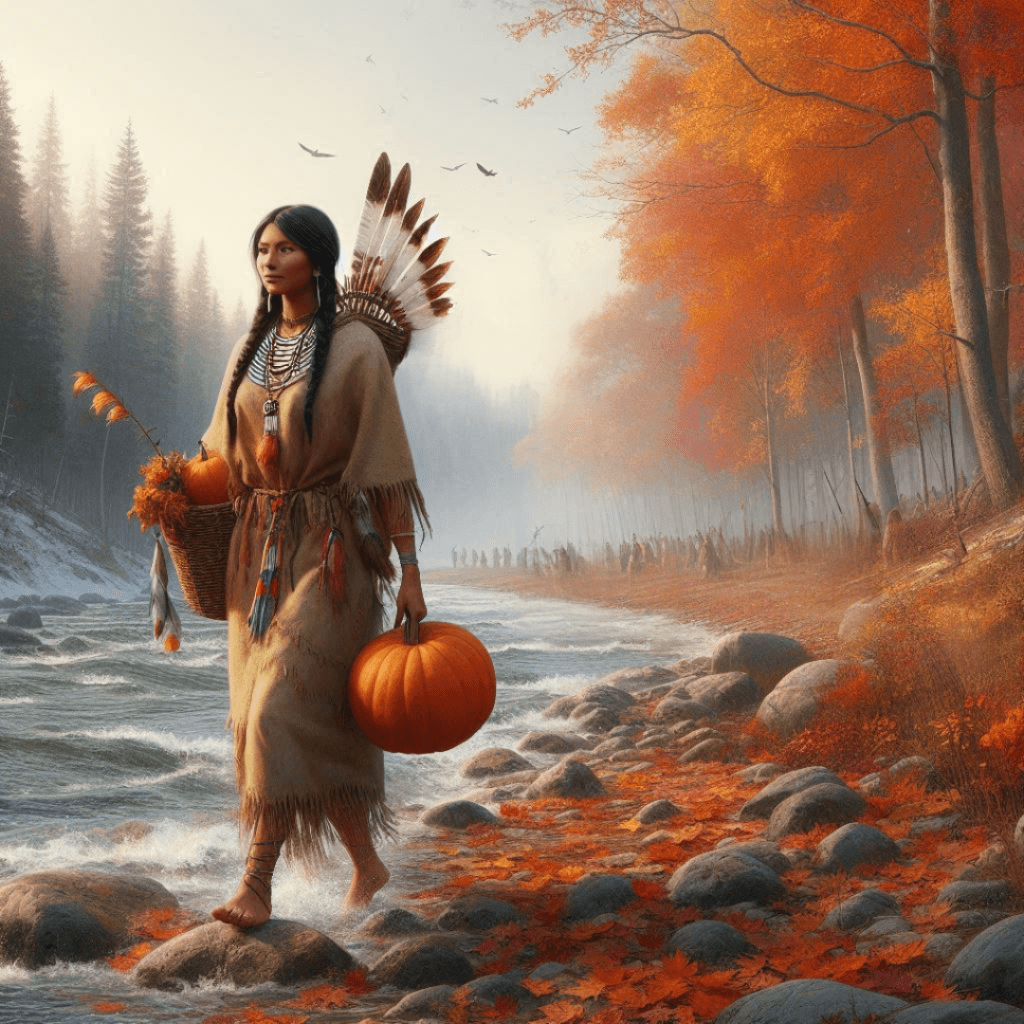
- Decorations: Clothes were dyed with natural pigments and adorned with shells, feathers, and beads.
Housing
Housing depended on the environment:
- Mississippian Peoples: Lived in wooden homes with thatched roofs near earthen mounds.
- Pueblo Peoples: Built multistory adobe homes in cliffs or villages.
- Plains Peoples: Constructed tipis for mobility.
- Northwest: Cedar longhouses.
Health and Life Expectancy
- Childhood Survival: Around 50% of children died before age 15 due to disease, malnutrition, or injury.
- Life Expectancy: For those surviving childhood, life expectancy was 40–50 years.
- Healthcare and Medicine: Healing was spiritual and holistic, involving herbal medicine, sweat lodges, and ceremonies led by shamans.
Social Structures and Family Life
- Marriage and Family: Marriage ages ranged from 15–20. Many societies were monogamous, but polygamy existed in some.
- Children: Families had 4–6 children, but high mortality rates meant fewer reached adulthood.
- Roles: Societies were often matrilineal (property passed through the mother) or patrilineal.
Leisure and Games
- Games: Played stickball (a precursor to lacrosse), hoop and stick games, and dice games.
- Crafts: Time was spent weaving, carving, and making pottery.
- Storytelling: Oral traditions preserved history and culture.
Religion and Art
- Spirituality: Religions were animistic, focusing on nature spirits, ancestors, and celestial bodies.
- Art: Included pottery, weaving, rock art, and effigy mounds.
Musical Instruments
Music was an integral part of Indigenous cultures. Used in ceremonies, storytelling, and social gatherings. Instruments varied by region but shared common elements:
- Drums
- Materials: Made from hollowed-out logs, clay, or stone, covered with animal hide.
- Uses: Drums kept the rhythm for dances and ceremonies. They symbolized the heartbeat of the Earth and were considered sacred.
- Flutes
- Materials: Typically made from wood, bone, or reed.
- Uses: Flutes were often used in personal expressions of love, meditation, or spiritual ceremonies.
- Legends often describe the flute as a gift from the spirits, intended to help humans express their emotions and desires.
- Rattles and Shakers
- Materials: Constructed from gourds, turtle shells, or woven baskets filled with seeds or stones.
- Uses: Accompanied chants and dances in rituals and storytelling.
- String Instruments
- Some cultures, such as those in the Southwest, had early forms of string instruments, often made from stretched sinew or plant fibers.
- Uses: Likely played during social gatherings or as part of storytelling.
- Whistles
- Materials: Created from bird bones, antlers, or clay.
- Uses: Used in hunting rituals, ceremonies, or as signals.
- Voice
- The human voice was the most important “instrument.” Singing was central to ceremonies, and songs were often passed down orally.
How Music Would Be Used
- Ceremonies: Music accompanied rituals for hunting, planting, harvests, healing, and honoring the spirits.
- Storytelling: People used songs to remember and share stories and myths from the past.
- Social Gatherings: Dances and communal events featured music to bring people together.
- Healing: Instruments like drums and flutes were thought to have spiritual power to heal.
This list combines historically inspired instruments and modern music rooted in Indigenous traditions to give a sense of the sounds of 1300 AD North America.
Language and Writing
- No widespread written language existed, but many cultures had complex spoken languages and used symbols or pictographs for communication and storytelling.
Tools and Advancements
- Tools: Stone, bone, and wood tools were common. Bow and arrow use was widespread.
- Agricultural Tools: Digging sticks and hoes with stone or bone heads.
- Trade: Networks spanned thousands of miles, exchanging shells, copper, and obsidian.
Challenges and Changes Since 1200 AD
- Environmental Stress:
- Prolonged droughts led to migrations and societal changes.
- Cooler temperatures impacted growing seasons.
- Social Changes:
- Decline of Ancestral Puebloan cultures in the Southwest.
- Growth of the Mississippian culture in the Southeast.
- Conflicts:
- Competition for resources sometimes led to warfare.
- Evidence of fortified villages suggests defensive measures.
This overview highlights the resilience and adaptability of Indigenous peoples in 1300 AD America, as well as the rich diversity of their cultures and innovations.
Entertainment
Playlist
While exact tracks from 1300 AD (since Indigenous music was orally transmitted and not written down), here are some modern interpretations and recreations that reflect traditional sounds:
- R. Carlos Nakai – “Canyon Trilogy”
- Features traditional Native American flute music, echoing the personal and spiritual use of flutes.
- Black Lodge Singers – “My Relatives”
- A collection of powwow songs with drumming and vocal chants.
- Joanne Shenandoah – “Orenda”
- Combines traditional melodies with modern interpretations of Indigenous spiritual music.
Here are some ways to fully immerse it with different genres of entertainment. While there aren’t many modern day recreations specifically focused on 1300 AD North America, these offer a combination of Indigenous perspectives, historical insights, and themes of survival and connection to the land, providing a way to explore elements of Indigenous culture and wilderness life that would have been relevant in 1300 AD.
Adult Recommendations:
- “People of the River” by W. Michael Gear and Kathleen O’Neal Gear
Part of the “North America’s Forgotten Past” series, this novel delves into the lives of the Mound Builders along the Mississippi River. - “1491: New Revelations of the Americas Before Columbus” by Charles C. Mann
A non-fiction work that explores the civilizations existing in the Americas prior to European arrival.
Children’s Recommendations:
- “Brother Bear” (2003)
A Disney movie set in a post-Ice Age North America, following a young man’s transformative journey as a bear. - “Children of the Longhouse” by Joseph Bruchac
A novel that provides insight into the lives of the Mohawk people through the eyes of young protagonists. - “The Legend of the Boy and the Eagle” (1967)
A live-action Disney short about a Hopi boy and his connection with an eagle, reflecting aspects of Native American culture.
These selections provide diverse perspectives on the rich cultures and histories of Indigenous peoples in North America before European colonization.
Meal Plan
This meal plan is historically accurate to 1300 AD, utilizing ingredients and cooking methods available to Indigenous peoples in pre-Columbian North America
Breakfast
- Meal: Cornmeal porridge sweetened with crushed berries (such as blackberries or raspberries)
- Beverage: Herbal tea made from wild mint or sassafras leaves
Main Meal
Light Snack:
- Roasted sunflower seeds with dried cranberries
Entree:
- Grilled salmon, lightly seasoned with wild herbs like sage or thyme
Sides:
- Wild Rice: Cooked with a touch of ground chestnuts for flavor
- Pumpkin Soup: A creamy soup made with mashed pumpkin, water, and seasoned with wild onion and sage
Dessert:
- Maple-sweetened nut and cranberry cake: A dense, cake-like treat made with ground nuts (e.g., walnuts or pecans), dried cranberries, and sweetened with boiled maple syrup
Beverage:
- Maple water (sap from maple trees, consumed fresh)
 Time Traveling Table
Leave a comment