
Just so we’re all on the same page. Please ensure you’ve made yourself acquainted with my disclaimer
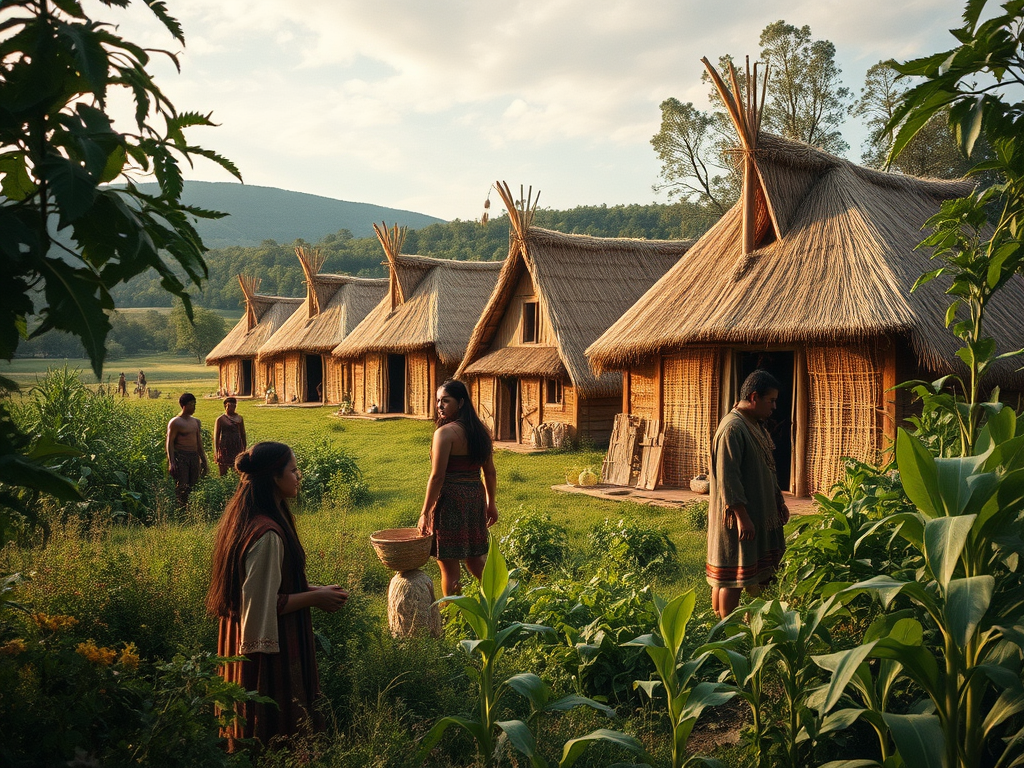
The year 1500 AD in the United States was characterized by diverse Native American societies. These communities varied widely in culture, technology, and lifestyle depending on their geographic location, but here is a general overview of life during this time:
Population
- Estimated Population: Around 2–5 million people lived in what is now the contiguous United States. Larger populations were concentrated in areas with abundant resources, such as the Mississippi River Valley, the Pacific Northwest, and parts of the Southwest.
- To gain a deeper understanding of the historical distribution and locations of Indigenous tribes before European contact, visit Native Land. This interactive map provides valuable insights into the traditional territories of various tribes across North America, allowing you to explore the rich cultural heritage and geographical distribution of Indigenous peoples.
Climate and Weather
- Climate: Similar to today’s climate zones but slightly cooler overall, as it was during the tail end of the Little Ice Age (c. 1300–1850).
- Average Temperatures:
- Northeast:
- Summer: 65–75°F (18–24°C)
Winter: 20–30°F (-6 to -1°C)
- Summer: 65–75°F (18–24°C)
- Southeast:
- Summer: 75–85°F (24–29°C)
Winter: 45–55°F (7–13°C)
- Summer: 75–85°F (24–29°C)
- Great Plains:
- Summer: 70–80°F (21–27°C)
Winter: 10–30°F (-12 to -1°C)
- Summer: 70–80°F (21–27°C)
- Southwest:
- Summer: 80–90°F (27–32°C)
Winter: 40–50°F (4–10°C)
- Summer: 80–90°F (27–32°C)
- Pacific Northwest
- Summer: 60–70°F (15–21°C)
Winter: 30–40°F (-1 to 4°C)
- Summer: 60–70°F (15–21°C)
- Northeast:
- Winters were colder and harsher in many regions, especially in the Northeast and Great Plains.
Diet
Staple Foods:
- Eastern Woodlands: Corn (maize), beans, squash (the “Three Sisters”), fish, deer, nuts, and berries.
- Plains: Bison meat, roots, and wild grains.
- Southwest: Corn, beans, squash, peppers, and cactus fruit.
- Pacific Northwest: Salmon, shellfish, berries, and edible plants.
- Drinks: Water, herbal teas, and corn-based beverages (sometimes fermented).
Clothing
- Made from animal hides, plant fibers, and woven textiles (in regions like the Southwest).
- Decorated with beads, feathers, and natural dyes.
- Shoes: Moccasins made from leather.
Housing
- Northeast: Longhouses (wooden structures shared by extended families).
- Plains: Tipis made from bison hides and wooden frames.
- Southwest: Adobe pueblos (multi-storied stone or mudbrick dwellings).
- Pacific Northwest: Wooden plank houses with totem poles.
Health and Life Expectancy
- Childhood Survival Rates: Approximately 50–60% of children survived to adulthood.
- Life Expectancy: If you survived childhood, you could expect to live 35–50 years. Elders (50+) were rare but respected.
- Health Challenges: Infectious diseases (e.g., tuberculosis), malnutrition, injuries, and complications during childbirth.
- I was surprised to learn that TB existed in the Americas long before European contact, as I initially assumed it was introduced by Europeans. This led me to dig a bit deeper.
- Tuberculosis (TB) was indeed present in the Americas well before European arrival. Archaeological evidence shows that Mycobacterium tuberculosis, the bacterium responsible for TB, existed in pre-Columbian populations. However, it was far less widespread than it became after European colonization. TB lesions have been found in the skeletal remains of humans dating back at least 2,000 years, particularly in areas like Peru and the Southwestern United States. Genetic studies also reveal that TB strains from these ancient remains are closely related to those found in animals like seals and sea lions, suggesting the disease may have originally crossed from animals to humans.
- In pre-Columbian times, TB likely existed at low endemic levels, particularly in communities where people lived in close quarters, such as adobe pueblos in the Southwest. The disease spread primarily through respiratory droplets but could also be transmitted via contaminated animal products.
- So, why was TB less severe before European contact?
- Population Density: Native American communities were generally smaller and less densely populated, which limited the spread of infectious respiratory diseases like TB.
- Genetic Diversity of TB Strains: The TB strains in pre-Columbian times were likely less virulent than those introduced by Europeans, which caused devastating outbreaks after contact.
- After Europeans arrived, the situation changed dramatically. European strains of TB, which were more virulent, spread rapidly through Native populations. These populations were weakened by other diseases, such as smallpox, which further accelerated the impact of TB outbreaks.
- I was surprised to learn that TB existed in the Americas long before European contact, as I initially assumed it was introduced by Europeans. This led me to dig a bit deeper.
- Healthcare: Herbal remedies, spiritual healing, and shamans were central to medicine. Practices varied by tribe.
Social Structures
- Communities were tribal and organized by kinship or clans. Leadership varied:
- Chiefdoms in some regions (Mississippian culture).
- Council-based systems in others (Iroquois Confederacy).
- Many societies had matrilineal systems (e.g., Iroquois), where lineage and inheritance were traced through the mother’s line.
- Monogamy was common, but polygamy existed in some groups.
- Marriage and Children: People often married in their late teens or early twenties. Women typically had 4–6 children, though many did not survive infancy.
Games and Pastimes
- Games:
- Chunkey (stone disc throwing game) in the Southeast.
- Lacrosse in the Northeast.
- The Hoop and Pole Game is a traditional Native American game in which players use a pole to roll a hoop along the ground, often in races or challenges, helping develop coordination and agility
- Dice games, storytelling, and music were common everywhere.
- Leisure: Singing, dancing, crafting, and oral storytelling.
Economy and Trade
- Bartering was the primary economic system. Major trade items included:
- Tools, animal hides, pottery, beads, food, and obsidian.
- Currency: Wampum (beads made from shells) was used in some regions like the Northeast.
Religion and Faith
- Spirituality was deeply tied to nature and ancestor worship.
- Ceremonies, dances, and rituals marked important life events and seasonal changes.
Art
- Artistic Expression: Intricate pottery, weaving, beadwork, wood carving, and rock art (petroglyphs).
- Themes: Nature, animals, and spiritual symbols.
Musical Instruments in 1500s North America
Native American tribes across the continent used a wide variety of musical instruments that reflected their culture, environment, and spiritual practices. These instruments were used for ceremonies, storytelling, celebrations, and social gatherings. Below are some key instruments and their uses:
Instruments:
- Drums:
- Types: Frame drums, water drums, and large ceremonial drums.
- Materials: Animal hides stretched over wooden frames.
- Use: Drums were central to ceremonies, dances, and rituals, often representing the heartbeat of the Earth.
- Flutes:
- Types: Wooden flutes (including courting flutes and ceremonial flutes).
- Materials: Made from cedar, bamboo, or bone.
- Use: Used in storytelling, courting rituals, and meditation, with melodies reflecting emotions or natural elements.
- Rattles:
- Materials: Turtle shells, gourds, or animal bladders filled with seeds or stones.
- Use: Commonly used in ceremonies to mark rhythm and invoke spiritual presence.
- String Instruments:
- Examples: Some tribes, such as the Apache, created early stringed instruments like the Apache fiddle (made from a hollowed-out stalk and horsehair).
- Use: Used for personal entertainment or smaller-scale gatherings.
- Bullroarers:
- Materials: A piece of wood attached to a cord that spins to create a whirring sound.
- Use: Used in ceremonies or as a communication tool over long distances.
- Whistles and Pipes:
- Materials: Made from bone, wood, or reeds.
- Use: Used in rituals, signaling, or imitating animal sounds.
- Rasp (Friction Instrument):
- Materials: A notched stick scraped with another stick or bone.
- Use: Produced rhythmic sounds for ceremonial dances.
Language and Writing
- Languages: Hundreds of distinct languages existed, grouped into major families (e.g., Algonquian, Siouan, Iroquoian).
- Writing: Most cultures relied on oral tradition, some tribes and cultures in the region that is now the United States used forms of symbolic or pictographic writing, but none developed a fully functional hieroglyphic writing system. Instead, they used pictographs and petroglyphs, which conveyed meaning through symbols and images but were not a complete written language.
Tools and Technology
- Stone Tools: Arrowheads, scrapers, knives.
- Bone Tools: Needles, fish hooks.
- Wood and Plant-Based Tools: Bows, spears, fishing nets.
- Specialized Items: Canoes (dugouts and birchbark), grinding stones for corn, pottery for storage and cooking.
Challenges Facing Native Americans in the 1500s
- Environmental Changes and Weather Extremes:
- The Little Ice Age: A period of cooling that began in the late 14th century and continued into the 19th century. By 1500, Native Americans were experiencing colder winters and shorter growing seasons in many regions, which challenged agricultural productivity, particularly for maize cultivation in the northern areas.
- Droughts: Persistent droughts in the American Southwest during the 15th and early 16th centuries forced migrations and cultural shifts, particularly among the Ancestral Puebloans, contributing to the abandonment of major settlements like Mesa Verde and Chaco Canyon.
- Epidemics:
- Diseases like smallpox, influenza, and measles, introduced by Europeans, were spreading along trade routes even before direct contact with settlers. These diseases often decimated populations, with mortality rates as high as 90% in some communities.
- The spread of diseases began as early as the late 1400s due to indirect contact with European goods and explorers.
- Cultural Disruption:
- Contact with Europeans: Early contact with Spanish explorers (e.g., Juan Ponce de León in Florida, Hernando de Soto in the Southeast) introduced new goods, ideas, and, often, violence. These encounters disrupted traditional trade networks and alliances.
- Conflicts Over Resources: Competition for resources like hunting grounds intensified as populations adapted to changing climates and environments.
- Conflicts and Warfare:
- Intertribal conflicts were a part of life, often over territory, trade routes, or resources.
- The arrival of Europeans intensified these conflicts as tribes competed for access to trade goods, horses, and alliances with settlers.
Recent Advancements (1400–1500)
- Agricultural Innovations:
- By 1500, Native Americans had made significant advancements in farming techniques, including irrigation systems in the Southwest and the widespread adoption of “Three Sisters” agriculture (corn, beans, and squash) throughout the eastern woodlands.
- In the Mississippi Valley, the city of Cahokia (though in decline by 1400) had influenced surrounding cultures with its mound-building, urban planning, and trade networks.
- Sophistication in Trade:
- Expansive trade routes connected tribes across vast distances, from the Great Plains to the Atlantic Coast. Goods like copper, seashells, and obsidian traveled far and fostered intertribal connections.
- Cultural Developments:
- Many groups, such as the Haudenosaunee (Iroquois Confederacy), formed sophisticated political alliances. The Iroquois Confederacy itself was established around this period, with its Great Law of Peace serving as a model for unity and governance.
- Technological Adaptations:
- The bow and arrow continued to be a crucial tool for hunting and warfare, but many tribes began adopting horses (introduced by Europeans) by the late 1500s, transforming Plains cultures in particular.
Significant Trials or Events (1400–1500)
- The Decline of Cahokia:
- Once the largest city north of Mesoamerica, Cahokia’s decline by 1400 signaled a shift in regional power and population centers in the Mississippi Valley. Reasons included environmental degradation, overpopulation, and political strife.
- Emergence of New Political Structures:
- The Iroquois Confederacy formed during this time, uniting the Mohawk, Oneida, Onondaga, Cayuga, and Seneca nations. This alliance reduced intertribal warfare and created a powerful entity in the Northeast.
- European Exploration and Early Contact:
- Although major European settlements in the U.S. wouldn’t emerge until the 1600s, explorers like Hernando de Soto (1539–1543) and Cabeza de Vaca (1528–1536) disrupted indigenous ways of life with their expeditions, introducing horses and firearms but also violence and disease.
- Impact of Horses:
- Horses, reintroduced by the Spanish, spread rapidly across the Plains through trade networks, transforming mobility, hunting practices, and warfare for many tribes.
Entertainment
Playlist
While no recordings from this time exist, you can include authentic Native American music inspired by traditional instruments and oral traditions. Below are five recommended tracks and artists whose music reflects traditional Native American sounds:
- “Cedar Breeze” by R. Carlos Nakai
- Features the Native American flute in melodic, contemplative compositions.
- Highlights traditional drum rhythms combined with chants.
- “The First Flute Song” by Kevin Locke
- Showcases the Lakota flute in ceremonial and storytelling contexts.
- A blend of Haudenosaunee (Iroquois) traditional vocal styles and flute music.
- Black Lodge Singers
- Traditional powwow songs emphasizing vocal harmonies and drum beats.
Adult Recommendations
Movies/TV Shows:
- “1492: Conquest of Paradise” (1992)
- Synopsis: This film portrays Christopher Columbus’s voyages to the Americas, providing insight into the initial contact period and the significant changes introduced by Europeans.
- “1491: The Untold Story of the Americas Before Columbus” (2017)
- Synopsis: This documentary series, based on Charles C. Mann’s book 1491, explores the rich and diverse cultures of Native American societies before European arrival.
Books:
- “1491: New Revelations of the Americas Before Columbus” by Charles C. Mann
- Description: This book explores the advanced civilizations in the Americas before European arrival, debunking myths about Native American societies.
- “The Invasion Within: The Contest of Cultures in Colonial North America” by James Axtell
- Description: This historical analysis examines the interactions between Europeans and Native Americans, focusing on cultural exchanges and conflicts during early contact.
- “American Holocaust: The Conquest of the New World” by David E. Stannard
- Description: A deep dive into the devastating effects of European colonization on Native American populations, including disease and cultural disruption.
- “Empire of the Summer Moon” by S.C. Gwynne
- Description: Focuses on the Comanche people, their culture, and their dominance across the Great Plains, shedding light on Indigenous life and the challenges they faced during the colonization era.
Podcasts:
- “Myths and Legends” offers an episode titled “36B-Pocahontas: Between Two Streams,” which delves into her life and the myths surrounding her story.
Children’s Recommendations
Movies/TV Shows:
- “Pocahontas” (1995)
- Synopsis: While historically inaccurate, it introduces children to the themes of European contact with Native Americans. Set shortly after 1500, it can spark conversations about cultural exchanges.
- “Brother Bear” (2003)
- Synopsis: Set in a pre-Columbian North America, this animated film focuses on Native American spirituality, the importance of nature, and cultural storytelling.
Books:
- “Children of the Longhouse” by Joseph Bruchac
- Description: A middle-grade novel about two Mohawk siblings living in a longhouse village, offering a glimpse into Native American daily life and culture.
- “Encounter” by Jane Yolen
- Description: This illustrated children’s book recounts Columbus’s arrival from the perspective of a young Taino boy, emphasizing the impact of first contact.
OG Meal Plan
This meal plan uses only ingredients and tools available in the contiguous USA in 1500, adhering to historical cooking methods and Indigenous food practices.
A Quick Note on the Ingredients: If there’s an ingredient below that doesn’t appeal to you or isn’t available at your store, don’t stress, just skip it, find a similar substitute, or let this recipe inspire you to add your own twist. Back in this time period, recipes didn’t exist in the structured way we know them today. People used whatever they had on hand, and measurements were more of a “feel it out” situation. So embrace the spirit of the age and make it yours!
Breakfast:
- Warm Cornmeal Porridge
- Ground corn (native maize) cooked with water into a smooth, creamy consistency. Sweetened with dried cranberries or wild berries, or lightly flavored with honey if available.
- Roasted Wild Apples
- Slow-roasted over hot coals, caramelizing the natural sugars, a method that would have been used to preserve the fruit’s flavor.
Beverage:
- Herbal Pine Tea
- Brewed from pine needles, offering a rich source of vitamin C to help ward off winter colds.
Dinner:
Light Snack:
- Toasted Sunflower Seeds
- Sunflower seeds roasted over an open fire for a nutty, crunchy snack.
Entrée:
- Slow-Roasted Venison with Cranberry Sauce
- Fresh venison, roasted over an open fire, and served with a sauce made from mashed cranberries and a touch of honey.
Sides:
- Wild Rice and Chestnut Pilaf
- Wild rice cooked in a clay pot with roasted chestnuts and wild herbs.
- Roasted Winter Squash
- Cubes of pumpkin or butternut squash roasted in the ashes of a fire, or wrapped in leaves and cooked on hot stones. Indigenous people used the natural heat of the earth and fire for cooking, rather than oils.
Dessert:
- Candied Pecans and Dried Fruit
- Pecans or hickory nuts roasted with a touch of honey or syrup, served with dried cranberries or wild cherries.
Beverage:
- Warm Cranberry Water
- Cranberries steeped in warm water, with a hint of honey for sweetness.
Modern Meal
This meal plan incorporates traditional Indigenous ingredients with modern cooking techniques and tools, creating a fusion of history and innovation.
Breakfast:
- Cornmeal Pancakes with Cranberry Syrup
- Pancakes made from a blend of cornmeal and all-purpose flour, topped with a cranberry syrup made by reducing fresh cranberries with maple syrup.
- Apple and Honey Yogurt Bowl
- Fresh apple slices served over creamy Greek yogurt, drizzled with honey, and topped with roasted sunflower seeds for crunch.
Beverage:
- Pine Needle Latte
- A frothy latte infused with pine needle tea and a touch of vanilla.
Dinner:
Light Snack:
- Sunflower Seed Hummus with Squash Chips
- Sunflower seeds blended with roasted garlic and squash purée, served with crispy baked corn chips.
Entrée:
- Herb-Crusted Venison Steaks with Cranberry Reduction
- Pan-seared venison steaks, seasoned with rosemary and sage, topped with a cranberry-wine sauce.
Sides:
- Wild Rice Risotto
- A creamy wild rice risotto, cooked with chestnuts and Parmesan for a modern twist.
- Maple-Roasted Squash
- Cubed butternut squash roasted with maple syrup, cinnamon, and chili flakes for a bit of heat.
Dessert:
- Candied Nuts and Dried Fruit Medley
- Pecans, hickory nuts, and dried cranberries caramelized with honey and lightly roasted for a modern take on the original dessert.
Beverage:
- Cranberry Sangria
- A refreshing drink made from cranberry juice, orange slices, and sparkling water, or white wine for an adult version.
 Time Traveling Table
Leave a comment