
Just so we’re all on the same page. Please ensure you’ve made yourself acquainted with my disclaimer
Heads up! This post contains affiliate links. If you click and buy, I might earn a small commission – think of it as a tip for my historical taste-testing adventures. It won’t cost you a penny more, but it keeps my time-traveling table spinning. Thanks for the support!
So Who Were The Pilgrims?
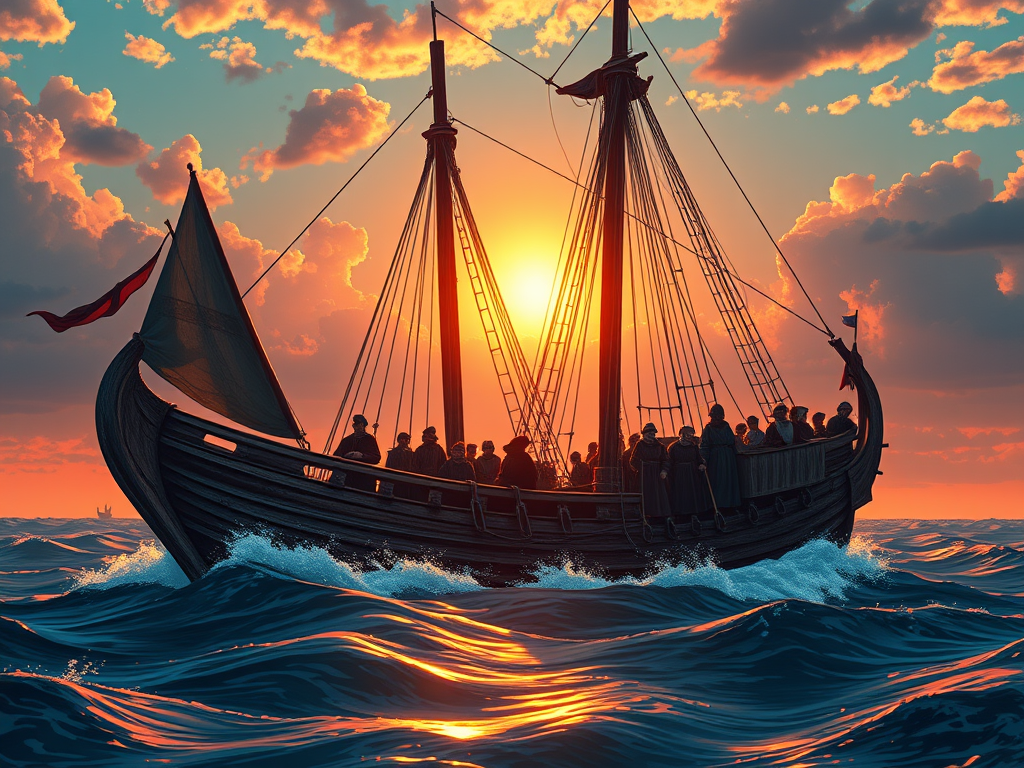
The Pilgrims were separatists, which means they were a group of English Protestants in the early 1600s who believed the Church of England (the Anglican Church) was too corrupt to be reformed from within. Rather than trying to “purify” it, as the Puritans wanted to do, the Separatists chose to completely break away from the Church of England and establish their own independent congregations.
This separation was considered illegal in England at the time, as the Church of England was the official state church, and dissent was viewed as a threat to both religious and political authority. Because of this, the Separatists faced persecution, including imprisonment and fines, which led some of them to flee to the Netherlands for religious freedom. Later, a group of these Separatists, seeking a place to freely practice their faith, became known as the Pilgrims and sailed to America aboard the Mayflower in 1620. They established the Plymouth Colony, laying the foundation for religious freedom in what would later become the United States.
The theological beliefs of the Pilgrims, as Separatists, were rooted in the Reformed tradition of Protestant Christianity, heavily influenced by the teachings of John Calvin and other reformers. Their beliefs were a response to what they saw as the corruption and unscriptural practices of the Church of England. Here are some of their key theological principles:
1. Sola Scriptura (Scripture Alone)
- The Pilgrims believed that the Bible was the sole authority for faith and practice. They rejected the authority of the pope, bishops, and many of the traditions of the Church of England that were not explicitly grounded in Scripture.
2. Predestination
- Following Calvinist doctrine, they believed in predestination, the idea that God had already chosen who would be saved (the “elect”) and who would be condemned. Salvation was seen as an act of God’s grace, not something earned through good works or sacraments.
3. Personal Relationship with God
- They emphasized a direct, personal relationship with God without the mediation of a priest or church hierarchy. Worship and prayer were seen as individual and communal acts directly between the believer and God.
4. Simplicity in Worship
- The Pilgrims rejected elaborate church rituals, ornate decorations, and formal liturgies. Their worship services were simple, focused on preaching, prayer, and singing psalms without instruments, reflecting their belief that worship should be solely directed toward God.
5. The Covenant Community
- They believed in the concept of a covenant, viewing themselves as a chosen people called to live according to God’s will. Their church was a voluntary association of believers who entered into a covenant with God and each other to uphold their faith and community.
6. Separation from the Church of England
- The Pilgrims believed the Church of England was beyond reform because it retained too many Catholic practices. They wanted to establish their own independent congregations where they could freely follow their interpretation of Scripture.
7. Moral Discipline
- They stressed strict moral discipline and believed in living a holy life as evidence of being part of the elect. Their communities upheld laws and norms closely aligned with their religious beliefs, including observing the Sabbath and avoiding behaviors they deemed sinful.
8. Adult Belief and Church Membership
- The Pilgrims believed that only those who had experienced a personal conversion and demonstrated faith could become full church members. This marked a departure from the Anglican practice of automatic church membership through infant baptism.
These beliefs guided their decision to leave England, their settlement in America, and the establishment of their religious practices and governance in the Plymouth Colony. They saw their journey and colony as part of their divine mission to create a “pure” church and society.
A Day in the Life, 1650 Edition: Simpler Times, Bigger Stews
Life in 1650 in what is now the United States of America was marked by profound challenges, limited technological advancements, and a way of life deeply influenced by the environment, European colonization, and interactions with Indigenous peoples. Here’s an overview:
Estimated Population
- European Colonists: Around 50,000-75,000
- Africans: 5,000-10,000
- Native Americans: Approximately 500,000 – 1 million
Wait what?
Before Europeans showed up, Native American populations in what’s now the U.S. were around 3 to 5 million strong. But between 1492 and 1650, things took a devastating turn—disease, war, displacement, and famine hit hard. By 1650, estimates say only 500,000 to 1 million Indigenous people remained. That means over 2 to 4 million lives lost in just about 150 years, with some areas seeing a heartbreaking 60-90% mortality rate.
How Did the Native Population Drop So Fast?
- Diseases (80-90% of deaths in some areas)
- Smallpox, measles, influenza, typhus, diphtheria, and whooping cough devastated Native populations, as many Native Americans had no prior immunity to Old World diseases, wiping out entire villages in the process.
- Wars and Conflict (10-20% of deaths in some areas)
- European colonization led to conflicts between Indigenous nations and settlers, exemplified by events such as the Pequot War (1636-1638) in New England and the Anglo-Powhatan Wars (1610-1646) in Virginia, which resulted in high Native casualties. Enslavement and forced labor, particularly in Spanish-controlled regions, further contributed to the significant loss of Indigenous lives.
- Displacement and Starvation
- Loss of land disrupted traditional hunting, farming, and gathering practices, as Europeans over hunted and introduced livestock that trampled native crops. Additionally, some Native groups were pushed into harsher climates or forced into European-controlled labor systems, further exacerbating the challenges they faced.
While Native populations continued to decline after 1650, the worst of the population collapse had already occurred by then.
Climate and Average Temperatures
1650 fell within the Little Ice Age, meaning temperatures were colder than today.
- New England: Summers were mild (60–75°F), but winters were harsh, often dropping below 0°F.
- Chesapeake: Hot summers (80–90°F) and cold winters (20–40°F).
- Southeastern Colonies: Warm and humid, with summers above 90°F and mild winters (40–60°F).
- Midwest and Plains: Harsh winters (as low as -20°F) and hot summers (80–100°F).
- Southwest: Desert climate, with hot summers (90–110°F) and mild winters (40–50°F).
Diet
Native American
- Staple Foods:
- Corn, beans, squash (“Three Sisters”), fish, game meat, nuts, berries, and wild plants
- Beverages: Herbal teas and water
European
- Staple Foods:
- Bread (wheat, rye, or barley), salted pork, corn, beans, squash, and game meat.
- Beverages:
- Cider, weak beer, and occasionally tea or coffee for wealthier settlers
Enslaved Africans
- Staple Foods:
- Rations often included cornmeal, salted meat, and leftover scraps.
Let’s Chat About Water
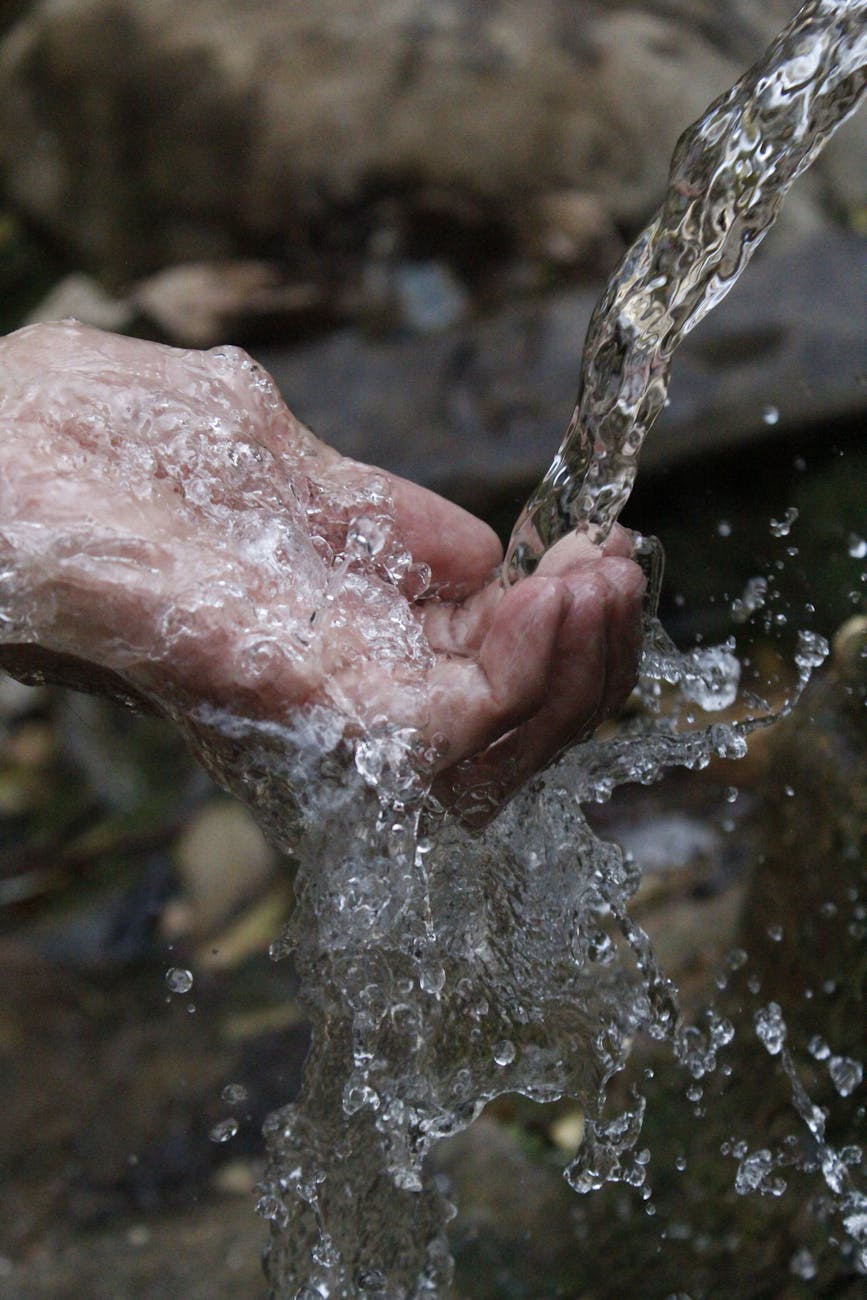
You know that thing that most of us give very little thought about, but completely rely on. I had read that water was unsafe for colonist to drink, and I was confused… why was the water safe to drink for Native Americans but unsafe for European colonists? Turns out Native Americans knew their environment, had solid water practices, and avoided major contamination, making their water way safer to drink. Meanwhile, the European settlers rolled in, messed up ecosystems, introduced pollutants, and didn’t have a clue about keeping water clean, making it unsafe for themselves.
Here is a more broken down explanation:
- Adaptation and Immunity
- Long Term Exposure: Native Americans had lived in their environments for thousands of years and had developed resistance to the specific microbes and parasites in their local water sources.
- Localized Knowledge: They knew which water source were clean and which to avoid, based on generations of observation and experience.
- Water Management Practices
- Selection of Water Sources: Native Americans often relied on running water from streams, springs, and rivers, which was less likely to harbor harmful bacteria compared to stagnant water.
- Seasonal Adjustments: They avoided using water sources during seasons when contamination from animals or decaying plant material was higher.
- Boiling and Cooking: Many Native American cultures boiled water regularly for cooking, which naturally killed pathogens.
- Environmental Impact of Settlers
- Settler Practices: European settlers frequently contaminated water sources by setting up settlements near stagnant ponds, deforesting land, and introducing livestock whose waste polluted water supplies.
- Urbanization: As settlements grew, waste disposal became an issues. European colonists often dumped waste into rivers or near wells, causing contamination.
- Lack of Sanitation: Colonists lacked the understanding of how diseases spread through contaminated water, leading to outbreaks of dysentery, cholera, and typhoid.
- Cultural Differences
- European Reliance on Beer and Cider: Europeans were accustomed to drinking weak beer or cider instead of water, as water in many parts of Europe was unsafe due to poor sanitation. This made them less familiar with ensuring water purity in the New World.
- Hygiene Practices: Native Americans often bathed regularly and understood the importance of clean water for health, while colonists did not always prioritize hygiene.
- Introduction of Foreign Pathogens
- Diseases from Europe: European settlers introduced diseases and pathogens that could contaminate water sources, including those carried by livestock and human waste.
- Cross-Contamination: Settler practices, like using shared water sources for drinking and waste disposal, introduced new pathogens that Native American water sources had not previously contained.
So after this deep dive I had even more questions. If people were just drinking beer and cider cause water was “poison”…. What were the children drinking? Turns out just about same thing! Colonist children drank a handful of beverages:
- Small Beer (or “Table Beer”)
- A very weak beer with 2% alcohol or less
- Cider
- Popular in colonial America, especially in New England, as apples grew easily and cider was safer than water. It was often diluted for children.
- Yes you read that right… they watered down that alcohol to make it safer since… water was unsafe…. What???? They often boiled water first to kill of anything nasty before mixing it with cider (I mean coulda just stopped at the boiling water part, but what do I know). There was also “ciderkin,” a super weak, almost vinegary version of that was low in alcohol and safe for kids. Sounds a tad like modern day kombucha and I know few children who dig that soooo kids way back in the day must’ve been built different.
- I also wondered about just apple juice… and found that wasn’t really a thing. If families had freshly pressed apples they might let children drink the juice right away, but since it started to ferment within a day or two. Fermented cider was the practical go-to for both adults and kids.
- Popular in colonial America, especially in New England, as apples grew easily and cider was safer than water. It was often diluted for children.
- Buttermilk
- As milk spoiled quickly, it was frequently quickly turned into butter and cheese, and this was a common byproduct of this.
- Milk
I then got to thinking about those children who grew up having alcohol at such a young age, where modern societies now so very much against children consuming any form of alcohol. So how were their little brains not affected?
Chronic alcohol consumption—especially from a young age—can negatively impact cognitive development, but the situation for colonial children drinking small beer was different from what we might expect today. Here’s why it likely didn’t significantly affect IQ in the way modern alcohol abuse might:
1. Very Low Alcohol Content
- The “beer” given to children, called small beer or small ale, had very low alcohol content—usually between 0.5% and 2% (comparable to modern kombucha or non-alcoholic beer).
- This level of alcohol wasn’t high enough to cause intoxication and was mainly consumed because the brewing process killed harmful bacteria in the water.
2. Nutritional Benefits
- Small beer provided calories, carbohydrates, and essential nutrients (like B vitamins and iron from the grains used in brewing), which could actually help in preventing malnutrition—something common in early colonial life.
- Given the physically demanding lifestyle of early colonists, small beer was often seen as a safe and nourishing beverage.
3. Cognitive Development in Colonial Times
- Malnutrition, disease, and harsh living conditions posed a far greater risk to cognitive development than the small amounts of alcohol in beer.
- Education and intellectual development were also limited by other factors, such as access to schooling, rather than any mild alcohol consumption.
4. Modern Understanding vs. Historical Reality
- Today, we know that alcohol exposure during pregnancy or in high doses during early childhood can negatively affect brain development (as seen in fetal alcohol spectrum disorders).
- However, there’s no clear historical evidence suggesting that colonial-era small beer consumption significantly impacted cognitive development or IQ levels in children.
What Likely Had a Bigger Impact on Cognitive Development?
- Malnutrition: A lack of essential nutrients had a much stronger effect on brain development.
- Disease: Illnesses like smallpox, measles, and malarial fevers could cause cognitive delays or brain damage.
- Limited Education: Access to schooling was rare for many children outside of religious communities.
In short, while it’s possible that regular exposure to alcohol—even in small amounts—had some minor cognitive effects, the much larger threats to brain development in colonial times were malnutrition, disease, and lack of educational resources.
Clothing
Native American
- Materials: Animal hides, fur, woven plant fibers.
- Styles: Distinct tribal designs, often reflecting their environment and culture.
- Adoption of European Goods: Some tribes began incorporating wool blankets, metal tools, and beads into their clothing.
European
- Materials: Wool, linen, and leather, and homespun fabrics
- Men’s Clothing: Breeches, waistcoats, linen shirts, and heavy cloaks.
- Women’s Clothing: Dresses with layered petticoats, aprons, and bonnets or coifs.
- Shoes: Often handmade and sturdy, but many colonists went without due to cost.
- Native American Influence: Some colonists adopted buckskin or moccasins for practicality.
Enslaved Africans
- Materials: Provided minimal and coarse clothing, often made from leftover fabrics.
- Seasonal Challenges: Inadequate for cold winters.
Housing
Native American
- Structures: Wigwams, longhouses, or tipis, depending on the region.
- Adaptation: Structures were well-suited to their environment, portable or permanent as needed.
European
- Structures:
- Small wooden homes with thatched roofs and dirt floors.
- Stone chimneys for heating and cooking.
- One or two-room designs with minimal furniture.
- Native Influence: Some colonists adapted elements of Native American housing, like wigwams or longhouses, for temporary shelters.
Enslaved Africans
- Structures: Small, poorly insulated shacks near plantations.
- Conditions: Overcrowded and unsanitary.
Health Outlook
Native American
- Life expectancy was significantly reduced due to epidemics, but was between 35-50 years depending on region.
European
- Life Expectancy:
- If a colonist survived childhood, they could expect to live into their 40s or 50s.
- Some lived into their 60s, though this was rare.
- Child Survival Rates:
- Only about 50% of children survived to adulthood due to high infant and childhood mortality from disease, malnutrition, and accidents.
- Healthcare:
- Herbal remedies were common.
- Bloodletting and rudimentary surgeries were performed by barber-surgeons.
- Midwives handled childbirth.
Africans
- Enslaved: The life expectancy was often around 20-30 years. Many did not survive beyond their first few years after arrival due to harsh labor, diseases, abuse, and lack of medical care.
- Free Africans: A very small population at the time, life expectancy was slightly higher but still significantly lower than that of European colonists due to systemic racism, poverty, and limited access to resources.
Social Structures
- Colonial Society:
- Hierarchical and patriarchal; wealth and land ownership determined status.
- Monogamous marriages; women married around 16-20, men around 20-25.
- 4-8 children per family was common, but infant mortality was high.
- Native Societies:
- Tribes were organized into complex kinship networks.
- Governance varied, often democratic or council-based.
- Many tribes had matrilineal societies (property passed through the mother).
- Some practiced polygamy, while others were monogamous.
- Women often married young (14-18).
- Enslaved Africans:
- Community Bonds: Developed close-knit communities to cope with their conditions.
Leisure and Games
- Colonists:
- Card games, dice games, storytelling, music
- Ninepins (early bowling), horseshoes, archery
- Children played with wooden dolls, hoops, and marbles
- Native Americans:
- Lacrosse (major team sport)
- Dice games, storytelling, music and dancing
- Running and endurance competitions
- Africans
- Drumming, singing, and rhythmic dancing
- Oral storytelling
- Mancala (a strategy game using stones, seeds, or shells)
Economy, Currency, and Bartering
- Colonists:
- Bartering was common, but some used wampum (shell beads), tobacco, or English coins as currency.
- Major barter items: Furs, tobacco, tools, cloth, guns, and food.
- Native Americans:
- Extensive trade networks existed. Wampum, animal pelts, and dried foods were common trade goods.
- Africans
- Personal goods, handmade crafts, or food items among themselves or with poor colonists, exchanging items like tobacco, extra food rations, or small handmade tools. In some cases, they traded with Native Americans or lower-class Europeans for small luxuries or necessities.
Religion and Faith
- Colonists:
- New England: Puritan (strict religious laws)
- Chesapeake: Anglican (Church of England)
- Pennsylvania: Quaker settlements
- Religious gatherings, sermons, and Bible readings were central to life.
- Native Americans:
- Varied spiritual beliefs, often animistic (spirits in nature).
- Shamans or medicine men played an important role.
- African
- Christianity blended with African spiritual practices, forming the foundation of resilience.
Language and Writing
- Colonists: Primarily English, though Dutch and German were also spoken in some settlements.
- Native Americans: Hundreds of languages, but no widespread written script
- African: Enslaved Africans blended their native languages with European ones, creating Creole languages like early Gullah
- Literacy Rate: Very low, especially in rural areas.
Art and Music
- Colonists:
- Religious hymns, folk music, and storytelling.
- Wood carvings, embroidery, and hand-painted signs.
- Native Americans:
- Pottery, beadwork, and quillwork.
- Drumming, flutes, and rattles used in ceremonies.
- African
- woven baskets, carvings, pottery, and beadwork
- Music was central to community and resilience, featuring drumming, call-and-response singing, spirituals, and rhythmic clapping
Musical Instruments
In 1650, music in what is now the United States varied depending on the cultural group—Native Americans, Europeans, and Africans each brought distinct traditions and instruments. Here’s a breakdown:
Native American Instruments:
- Drums: Central to ceremonies, dances, and spiritual rituals. Different tribes had unique drum styles, often made from hollowed logs and animal hides.
- Flutes: Typically made from wood or bone, used for storytelling, courtship, and meditation.
- Rattles: Crafted from gourds, animal shells, or carved wood, used in ceremonial dances and rituals.
European Instruments (Mainly English, Dutch, and Spanish Settlers):
- Fiddles (Violins): Popular for dances and social gatherings.
- Lutes and Guitars: Played for entertainment and religious hymns.
- Psaltery and Harpsichords: Found among wealthier settlers, used for formal occasions and religious music.
- Flutes and Recorders: Played in both secular and religious contexts.
African Instruments:
- Banjar (early form of the banjo): Originating from West Africa, used for storytelling and entertainment.
- Drums: Vital for communication, rituals, and community gatherings.
- Shekeres: Percussion instruments made from dried gourds wrapped in beads or shells.
Major Tools Available
- Colonists:
- Blacksmithing tools, saws, plows, spinning wheels
- Muskets, axes, scythes
- Printing presses (for religious texts and pamphlets)
- Native Americans:
- Flint tools, bows and arrows, stone axes
- Dugout canoes
- African
- Hoes, sickles, plows, and shovels for plantation labor
- Many skilled Africans worked as blacksmiths, carpenters, and potters, using tools such as hammers, chisels, knives, and anvils
European Exploration and Settlement
- English Colonists:
- Concentrated in New England, the Chesapeake Bay, and the Carolinas.
- Focused on farming, fishing, and trade.
- Dutch Colonists:
- Controlled New Netherland (modern New York) and emphasized trade and shipping
- French Colonists:
- Along the Mississippi River, focusing on fur trade
- Spanish Colonists:
- Established settlements in Florida, the Southwest, and California.
Major Challenges
Native Americans:
- Land Displacement: European colonization led to rapid loss of land through warfare, forced treaties, and displacement.
- Disease Epidemics: Diseases like smallpox, measles, and influenza decimated populations—up to 90% in some regions.
- Cultural Suppression: Missionary efforts, especially from the Spanish and French, pushed for forced conversions to Christianity, disrupting traditional beliefs and practices.
Europeans:
- Harsh Environmental Conditions: Colonists faced severe winters, unfamiliar climates, and food shortages, particularly in early settlements like Jamestown and Plymouth.
- Conflict with Native Americans: Tensions often erupted into violence, such as the Pequot War (1636–1638) in New England.
- Disease and Famine: Lack of sanitation and unfamiliar diseases led to high mortality rates, especially in early colonial outposts.
- Children’s Challenges
- Workload: Children worked from a young age, helping with farming, cooking, and chores.
- Education: Limited to religious instruction; formal schooling was rare outside major settlements.
- Health Risks: Malnutrition, disease, and accidents were constant threats.
Africans:
- Enslavement and Oppression: Africans faced brutal forced labor, family separation, and harsh punishments under the growing system of chattel slavery.
- Disease and Poor Living Conditions: Overcrowded, unsanitary living spaces and poor nutrition led to high death rates.
- Cultural Erasure: Enslaved Africans were often stripped of their language, religion, and traditions by European colonizers.
Significant Events & Changes Since 1600
- 1607 – Founding of Jamestown: The first permanent English colony was established in Virginia, leading to increased tensions with nearby Native American tribes.
- 1619 – Arrival of the First Enslaved Africans: The first recorded enslaved Africans arrived in Virginia, marking the beginning of institutionalized slavery in English North America.
- 1620 – Mayflower and Plymouth Colony: English Puritans established a settlement, creating early examples of colonial governance and alliances with Native tribes like the Wampanoag.
- 1636–1638 – Pequot War: A violent conflict between English settlers and the Pequot tribe in New England resulted in devastating losses for the Pequot people.
- Expansion of the Fur Trade: French and Dutch traders expanded their influence through the fur trade, increasing alliances and conflicts with various Native American groups.
- Introduction of Cash Crops: Colonists began cultivating cash crops like tobacco and sugar, intensifying the demand for enslaved African labor.
Entertainment
Playlist Recommendations
While there are no recorded songs from the 1650s, here are modern recordings of traditional pieces that reflect the music of that era. These tracks are often played using historically accurate instruments:
- “Greensleeves“ – A traditional English folk song popular during the colonial period.
- “La Spagna” – a traditional 16th century Spanish folk dance. This was popular in Europe during the early colonial period and would have likely been heard in Spanish settlements, adding a lively and rhythmic atmosphere to social gatherings
- “The King’s Delight“ – A lively English country dance tune that settlers may have enjoyed at social events.
- “Inward Journey” by R. Carlos Nakai – A modern interpretation of traditional Native American flute music, capturing the spiritual soundscape of indigenous communities.
- “9 Psalm Tunes” – Reflects the religious hymns sung by Puritan settlers in New England.
For Adults:
- Movie: The New World (2005) – A beautifully shot historical drama about Pocahontas, John Smith, and the founding of Jamestown in 1607.
- Movie: The Witch (2015) – A chilling portrayal of a Puritan family in 1630s New England as they face religious fanaticism, isolation, and supernatural threads.
- TV Series: Jamestown (2017–2019) – A British drama following the lives of settlers in the first permanent English colony in America.
- TV Miniseries: Saints and Strangers (2015) – A dramatized look at the Mayflower voyage and the early years of Plymouth Colony, exploring the relationships between settlers and Native Americans.
- Book: Mayflower: A Story of Courage, Community, and War by Nathaniel Philbrick – A deep dive into the Pilgrims’ journey and their complex relationship with Native Americans.
- Book: A Mercy by Toni Morrison (2008) – A novel set in the late 17th century, focusing on the lives of an enslaved girl, a European settler, and Native Americans in the early American colonies.
- Book: A People’s History of the American Revolution by Ray Raphael – Focuses on ordinary people’s experiences during the early revolutionary movements.
- Podcast: Lore – “Half-Hanged”: Explores the methods in which people attempted to detect and destroy people suspected of witchcraft in the New England Colonies, including the attempted hanging of Mary Webster in Hadley, Massachusetts, in 1685.
- Podcast: Stuff You Should Know – “Salem Witchcraft Trials: More Bonkers Than You Know”: Josh and Chuck discuss the historical context, events, and aftermath of the Salem Witch Trials, shedding light on this dark chapter of colonial America.
For Children:
- TV Show: Liberty’s Kids (2002–2003) – An educational animated series that follows young reporters covering major events of the American Revolution.
- TV Special: The Mayflower Voyagers (1988) – Part of the “This is America, Charlie Brown” series, it depicts the Pilgrims’ journey and settlement in the early 17th century.
- Movie: Felicity: An American Girl Adventure (2005) – A heartfelt story about a young girl living in colonial Virginia just before the American Revolution.
- Book: If You Lived in Colonial Times by Ann McGovern – A fun and informative book answering questions kids might have about colonial life.
- Book: If You Sailed on the Mayflower in 1620 by Ann McGovern – A children’s book that explains life aboard the Mayflower and the early days of Plymouth Colony, written in an engaging Q&A style.
- Book: Sarah Morton’s Day: A Day in the Life of a Pilgrim Girl by Kate Waters – A photo-illustrated book that brings to life the daily routines of a Pilgrim girl in 1627.
- Book: The Sign of the Beaver by Elizabeth George Speare – A historical fiction novel about a young settler boy learning survival skills from a Native American boy.
- Book: Squanto: A Warrior’s Tale (1994) – A dramatized story of Squanto, the Native American who played a pivotal role in helping the Pilgrims survive.
- Book: Colonial Voices: Hear Them Speak by Kay Winters (2008) – A collection of fictional first-person accounts from different perspective in colonial America, bringing history to life for children.
OG Meal
Using only ingredients and tools available during the time period
Breakfast (Earlier in the Day):
- Beverage: A warm infusion of locally foraged herbs steeped in boiled water, offering a soothing, earthy start to the day.
- Meal: Creamy cornmeal porridge, slow-cooked over a hearth with dried fruits like raisins or apples, finished with a drizzle of raw honey for natural sweetness.
Appetizer:
- Fried Corn Fritters: A rustic snack of hand-mixed cornmeal, farm-fresh eggs, and a pinch of salt, pan-fried in tallow in a cast-iron skillet until golden brown and crisp.
Entrée:
- Colonial Pork Stew: A hearty stew made with salted pork, simmered slowly with root vegetables such as turnips, carrots, and onions, flavored with sage, black pepper, and bay leaves. White beans and sunchokes add depth and heartiness. Cooked over an open fire, this stew is thickened naturally by mashing some of the beans and vegetables.
Sides:
- Cornbread: Coarse-ground cornmeal baked in a cast-iron skillet near the fire, producing a dense, rustic bread with a crispy crust and warm, soft interior.
- Braised Greens: Fresh collard greens, cooked low and slow with salted pork or bacon for a smoky depth of flavor, seasoned simply with black pepper and a touch of salt.
Dessert:
- Apple Pandowdy: A humble dessert made from sliced apples seasoned with cinnamon and nutmeg, topped with a crumbly biscuit crust. Baked until golden, the topping breaks into the bubbling apples for a deliciously rustic finish.
- Beverage: Sweetened birch beer, brewed from birch sap and lightly flavored with honey or molasses, served cool as a refreshing end to the meal.
Modern Meal
Classic flavors reimagined with modern cooking techniques and ingredients
Breakfast (Earlier in the Day):
- Beverage: A hot cup of herbal tea blend featuring chamomile, mint, and lemongrass, sweetened with a hint of honey.
- Meal: Creamy polenta porridge infused with vanilla bean, topped with a medley of dried cranberries, apricots, and golden raisins, finished with a drizzle of maple syrup.
Appetizer:
- Crispy Corn Fritters: Light and fluffy corn fritters enhanced with shredded cheddar cheese and diced jalapeños, fried until golden and served with a smoky chipotle aioli for dipping.
Entrée:
- Slow-Cooked Herb Pork Stew: Tender chunks of pork shoulder, seared and slow-cooked in a modern Dutch oven with carrots, pearl onions, parsnips, white beans, and sunchokes. Flavored with fresh thyme, rosemary, and bay leaves, and thickened with a touch of cream for a velvety finish.
Sides:
- Jalapeño-Cheddar Cornbread: Moist and fluffy cornbread baked in a modern oven, enriched with sharp cheddar and spicy jalapeños for a flavorful kick.
- Garlic-Braised Greens: Fresh collard greens sautéed with garlic and pancetta, finished with a splash of balsamic vinegar for brightness and depth.
Dessert:
- Caramel Apple Pandowdy: Sliced Granny Smith apples tossed with cinnamon, nutmeg, and a rich caramel sauce, topped with a buttery puff pastry and baked until golden and bubbling. Served with a scoop of vanilla bean ice cream.
- Beverage: Chilled craft birch beer, served over ice with a splash of vanilla syrup for a modern twist on a historical favorite.
 Time Traveling Table
Leave a comment