
Just so we’re all on the same page. Please ensure you’ve made yourself acquainted with my disclaimer
Population & Demographics
- Estimated U.S. Population: 92 million
- Largest Cities: New York City (~4.7 million), Chicago (~2.1 million), Philadelphia (~1.5 million)
- The country was still predominantly rural, but urbanization was increasing due to industrialization and immigration.
Climate & Weather
Most of the U.S. experienced harsh winters without widespread central heating, making cold weather difficult. Heat waves in summer were common, but electric fans and cooling systems were rare.
- New York City: Cold, snowy winters with occasional blizzards. Summers were hot and humid, with frequent thunderstorms.
- Winter: 30°F / -1°C (high) 19°F / -7°C (low)
- Summer: 85°F / 29°C (high) 68°F / 20°C (low)
- Chicago: Harsh winters with frigid winds off Lake Michigan, heavy snowfall, and occasional ice storms. Summers were warm and muggy, often interrupted by severe thunderstorms and tornadoes.
- Winter:
25°F / -4°C (high) 10°F / -12°C (low) - Summer:
83°F / 28°C (high) 65°F / 18°C (low)
- Winter:
- Atlanta, GA: Mild winters, but cold snaps could still drop temperatures below freezing. Summers were hot and extremely humid, with frequent thunderstorms. The region occasionally faced hurricanes in late summer and fall.
- Winter: 45°F / 7°C (high) 32°F / 0°C (low)
- Summer: 89°F / 32°C (high) 70°F / 21°C (low)
- Salt Lake City, UT: Cold, snowy winters, with temperature swings due to the high altitude. Snowfall was moderate to heavy, and spring flooding from snowmelt was common. Summers were hot and dry, with cooler nights due to desert influence. Dust storms occasionally occurred.
- Winter: 32°F / 0°C (high) 20°F / -7°C (low)
- Summer: 92°F / 33°C (high) 65°F / 18°C (low)
- San Francisco: Very mild year-round, with cool, foggy summers due to the Pacific Ocean. Winters were cool and damp, but rarely freezing. The city had little seasonal variation.
- Winter: 50°F / 10°C (high) 40°F / 4°C (low)
- Summer: 70°F / 21°C (high) 55°F / 13°C (low)
- Phoenix, AZ: Extremely hot summers, often exceeding 100°F (38°C), with low humidity but occasional monsoon storms bringing heavy rain and dust storms. Winters were mild and dry, rarely dropping below freezing. The desert climate made water access a key issue.
- Winter: 55°F / 13°C (high) 38°F / 3°C (low)
- Summer: 105°F / 41°C (high) 80°F / 27°C (low)
Diet & Food
Staple Foods:
- Bread & Biscuits (Homemade or store-bought, white or whole grain)
- Meat (Beef, pork, chicken, or fish for those near coasts)
- Dairy (Milk, butter, cheese)
- Eggs (Often eaten daily)
- Vegetables (Potatoes, carrots, onions, cabbage, green beans)
- Fruits (Apples, oranges, bananas, and seasonal berries)
- Beans & Rice (A staple for working-class families)
Common Meals:
- Breakfast: Oatmeal or bacon with eggs, toast, and coffee.
- Lunch: A simple sandwich, stew, or a plate of beans and toast or chipped beef on toast
- Dinner: A hearty meal like pot roast with potatoes and vegetables.
Beverages:
- Coffee & Tea (A staple for adults)
- Milk
- Homemade Lemonade or Buttermilk
- Alcohol: Beer and whiskey were common, but Prohibition sentiment was growing.
Preservation Methods:
- Canning was popular, allowing families to store fruits, vegetables, and meats for winter.
Clothing & Fashion
Men:
- Suits with high-collared shirts and bowties were standard, even for working-class men.
- Workmen wore overalls, wool coats, and sturdy boots.
- Hats were mandatory. In 1910 America, it was considered socially mandatory for men to wear hats in public. Going outside without a hat was seen as improper, especially in cities and among the middle and upper classes.
- Why Were Hats Mandatory?
- Social Norms & Etiquette – Hats were a symbol of respectability, and a man without a hat was often seen as underdressed or even suspicious.
- Fashion & Status Symbol – Different hats indicated social class, occupation, and personal style (e.g., top hats for formal wear, bowlers for businessmen, and fedoras for casual wear).
- Protection from the Elements – Hats provided shade from the sun, warmth in winter, and protection from dirt and dust, especially in industrial cities.
- Hat Etiquette – There were strict rules about when and where to remove your hat:
- Indoors: Men typically removed hats in homes, restaurants, and churches.
- Greeting Women: Tipping or doffing the hat was a sign of respect.
- National Anthem or Prayer: Hats were removed as a sign of reverence.
- Common Hats for Men in 1910:
- Fedora – Popular among middle-class men and professionals.
- Bowler/Derby Hat – Worn by businessmen and urban workers.
- Flat Cap/Newsboy Cap – Common among working-class men and young boys.
- Boater Hat – A summer hat, often worn with suits.
- Top Hat – Reserved for formal occasions and the wealthy.
- Cowboy Hat – Worn in rural and Western regions.
- Why Were Hats Mandatory?
Women:
- Long dresses with high collars, lace, and puffed sleeves were the norm.
- Skirts reached the ankle (shorter than in the 1800s but still modest).
- Hair was styled high and pinned up, often with hats.
Children:
- Boys wore knee-length pants (“knickers”), shirts, and jackets.
- Girls wore simple cotton dresses with stockings and boots.
- Babies often wore white gowns regardless of gender.
Housing & Living Conditions
- Rural Areas: Most people lived in wooden farmhouses with coal or wood stoves for heating and outhouses for bathrooms.
- Cities: Families often lived in tenement buildings (overcrowded apartments) with poor ventilation and shared bathrooms.
- Electricity: Available in urban areas, but many rural homes still used oil lamps for light.
Health & Medicine
- Infant Mortality Rate: 10%–20% of babies did not survive to adulthood.
- Life Expectancy: Men ~48 years, Women ~52 years
- Leading Causes of Death:
- Influenza (deadly outbreaks were common).
- Workplace Injuries (factories had no safety standards).
- Deadly Infections: Without antibiotics, infections that are easily treated today were often fatal, these are a handful of common infections that could be fatal:
- Pneumonia – A major cause of death.
- Tuberculosis (TB) – No cure yet; sanatoriums were common for long-term care.
- Strep throat & scarlet fever – Could lead to severe complications.
- Syphilis & gonorrhea – Treated with mercury or arsenic compounds, which were toxic.
- Sepsis (blood poisoning) – Often caused by untreated wounds or surgery.
How Were Infections Treated in 1910? Since antibiotics didn’t exist, doctors relied on natural remedies and basic medical practices to treat infections:
- Antiseptics & Disinfectants
- Carbolic acid (phenol) – Used to sterilize surgical tools and wounds.
- Mercury compounds – Used for syphilis, but highly toxic.
- Iodine & boric acid – Applied to wounds to prevent infection.
- Surgery & Drainage
- Amputation – In severe infections, removing the affected limb was sometimes the only way to prevent the spread of disease.
- Lancing & draining abscesses – Doctors would cut open infected wounds to release pus.
- Herbal & Home Remedies
- Honey & garlic – Used as topical antiseptics.
- Willow bark (natural aspirin) – Used to reduce fever and pain.
- Hot poultices – Applied to infected wounds to encourage drainage.
- Isolation & Bed Rest
- Quarantines – Infectious diseases like tuberculosis, typhoid fever, and pneumonia often required isolation.
- Rest & nutrition – Patients were advised to eat well and rest to let the body fight off infections naturally.
Medical Care:
- Doctors made house calls, but most medicines were home remedies.
- Hospitals existed, but were often unsanitary.
- Surgery was risky, as antibiotics had not been discovered.
Social Structures & Family Life
- Marriage Age: Women married ~21, men ~25.
- Monogamy: Strictly expected, with divorce highly stigmatized (divorce rate was less than 1%).
- Children Per Family: 4-6 children on average.
- Women’s Roles: Expected to be homemakers, but working-class women had jobs as teachers, nurses, and factory workers.
Entertainment & Leisure
- Outdoor: Baseball, marbles, hopscotch, horseshoes.
- Indoor: Card games (poker, bridge), dominoes, and chess.
- Vaudeville Shows: Comedy, singing, dancing, and magic acts were hugely popular.
- Silent Films: Nickelodeons (cheap movie theaters) played black-and-white silent films.
- Reading: People enjoyed novels, dime novels, and newspapers.
Top 5 Theatrical Productions
1. The Great Divide (1906) – William Vaughn Moody
- This drama was one of the most critically acclaimed plays of the early 20th century. It explores themes of morality, redemption, and the cultural divide between the rugged American West and the more refined East. The play was a major success on Broadway and is considered an early example of serious American drama moving beyond melodrama.
2. The Easiest Way (1909) – Eugene Walter
- A groundbreaking realist drama, this play tells the story of a young woman struggling with the harsh realities of life and making difficult moral choices. It was notable for its raw, unfiltered portrayal of social issues, including poverty and relationships, making it a major hit of its time.
3. The Warrens of Virginia (1907) – William C. deMille
- This historical drama, set during the American Civil War, tells the story of divided loyalties within a family, with one side supporting the Union and the other the Confederacy. The play was a major Broadway success and helped establish David Belasco, its producer, as a leading figure in American theater.
4. Alias Jimmy Valentine (1908) – Paul Armstrong
- This popular crime drama follows a reformed safecracker who tries to live an honest life but is forced back into his old ways. The play became a hit and was later adapted into multiple films, showing its lasting appeal in American entertainment.
5. The Clansman (1905) – Thomas Dixon Jr.
- While this play was hugely influential at the time, it is now infamous for its racist themes. It was the basis for the 1915 film The Birth of a Nation and played a significant role in shaping early 20th-century discussions of race in America, though in an extremely controversial and harmful way.
Other Notable Theatrical Trends
- Vaudeville was at its peak, featuring variety acts, comedians, magicians, and singers.
- Shakespearean revivals were still popular, especially Hamlet, Macbeth, and King Lear.
- Musical comedies were evolving, paving the way for the golden age of Broadway.
- European operettas (like “The Merry Widow”) influenced American theater heavily.
Money, Economy & Bartering
- Currency: U.S. dollars were backed by gold (Gold Standard).
- Bartering: Still common in rural areas where money was scarce (exchanging eggs, flour, livestock, or labor).
Average Wages:
The conversion rate from 1910 to today is approximately $1 in 1910 = $34 in 2024, based on inflation calculations.
- Unskilled Laborer (Factory Worker, Farmhand) – $300 – $600 per year
- Farmers: Income depended on crops ($200-$400 per year).
- Domestic Servant (Maid, Cook, Butler) – $200 – $500 per year + room & board in some cases
- Coal Miner – $500 – $1,000 per year – Varied based on risk & location
- Teacher (Public School, Mostly Women) – $500 – $1,200 per year – Rural teachers earned less
- Skilled Tradesman (Carpenter, Blacksmith, Machinist, Plumber) – $800 – $1,500 per year
- Police Officer / Firefighter – $900 – $1,400 per year – Slightly higher in cities
- Doctor / Lawyer / Engineer – $2,000 – $5,000 per year – Highly dependent on location & reputation
- Successful Business Owner / Industrialist / Banker – $10,000+ per year
Cost of Goods:
- Loaf of bread: 5¢
- Pound of beef: 18¢
- Yard of Fabric (Cotton or Wool for Clothing): 10 – 25¢ per yard – Wool was more expensive than cotton
- Gallon of milk: 32¢
- Men’s suit: $10-$20
- Rent or Purchasing a Home
- Rent: $10 – $25 per month
- Buying a New Home: $2,500 – $5,000 Varied by location, with urban homes costing more
- Icebox (Early Refrigeration Alternative): $15 – $50 Higher-end models had oak exteriors or brass fittings
- New Model T Ford (Automobile): In 1908 it was released at a price of $825 – $950
Middle Class or Poor?
- Most Americans were working-class, struggling to afford basic needs.
- The Gilded Age elite (Rockefellers, Carnegies) controlled most of the country’s wealth.
Religion, Art, & Language
- Religion: Christianity dominated (Protestant, Catholic) along with Jewish communities
- Art: The Ashcan School was a movement capturing urban life and working-class struggles in gritty realism.
- Architecture: Beaux-Arts and early skyscrapers like the Woolworth Building.
- Language: English was dominant, but large immigrant groups spoke Italian, Yiddish, German, and Polish.
Technology & Tools
Light Snack: Celery Crostini with Whipped Goat Cheese & Honey – Celery is served on small toasted baguette slices, topped with whipped goat cheese and a drizzle of honey for a refined take on a historic snack.
- Available: Telephones, typewriters, phonographs (early record players), electric lights (in cities), steam engines, bicycles, cameras (Kodak Brownie).
- Iceboxes
- By 1910, approximately 50-80% of urban households and 20-40% of rural households had iceboxes for food storage, though the exact percentage varied based on location, income, and infrastructure.
- Breakdown by Region & Class:
- Wealthy Urban Households: Nearly 100% had iceboxes, often stocked with daily ice deliveries from an ice wagon.
- Middle-Class Urban Households: Around 70-80% had iceboxes, depending on the city’s access to an ice supply.
- Working-Class & Poor Urban Households: 40-60% had iceboxes, but many used shared ice storage in tenement housing.
- Rural Households: Only 20-40% had iceboxes, since many relied on cool cellars, spring houses, or smoked meats instead of ice.
- South & Southwest: Ice was harder to obtain due to warm climates, so icebox use was less common outside major cities.
- Ice Supply & Distribution:
- Natural Ice Harvesting was still dominant, with ice cut from lakes and rivers in the North and stored in icehouses.
- Ice Delivery Services were available in most cities, with horse-drawn ice wagons dropping off ice blocks to homes.
- Artificial Ice Production was growing, but it was still expensive and not yet widespread.
- Breakdown by Region & Class:
- Alternatives to Iceboxes:
Many rural homes used root cellars, spring houses, or underground storage for dairy, meats, and vegetables.
Some used evaporative cooling techniques, like wrapping food in wet cloths or placing milk in wells.
- By 1910, approximately 50-80% of urban households and 20-40% of rural households had iceboxes for food storage, though the exact percentage varied based on location, income, and infrastructure.
Major Advancements
1. The Wright Brothers’ First Flight (1903)
- On December 17, 1903, Orville and Wilbur Wright made history with the first controlled, powered airplane flight in Kitty Hawk, North Carolina.
- This moment laid the foundation for modern aviation.
2. The First Mass-Produced Automobiles (1908)
- Henry Ford introduced the Model T in 1908, revolutionizing transportation.
3. Expansion of Electricity & Urban Infrastructure
- Cities rapidly expanded electrical grids, streetlights, and telephone lines.
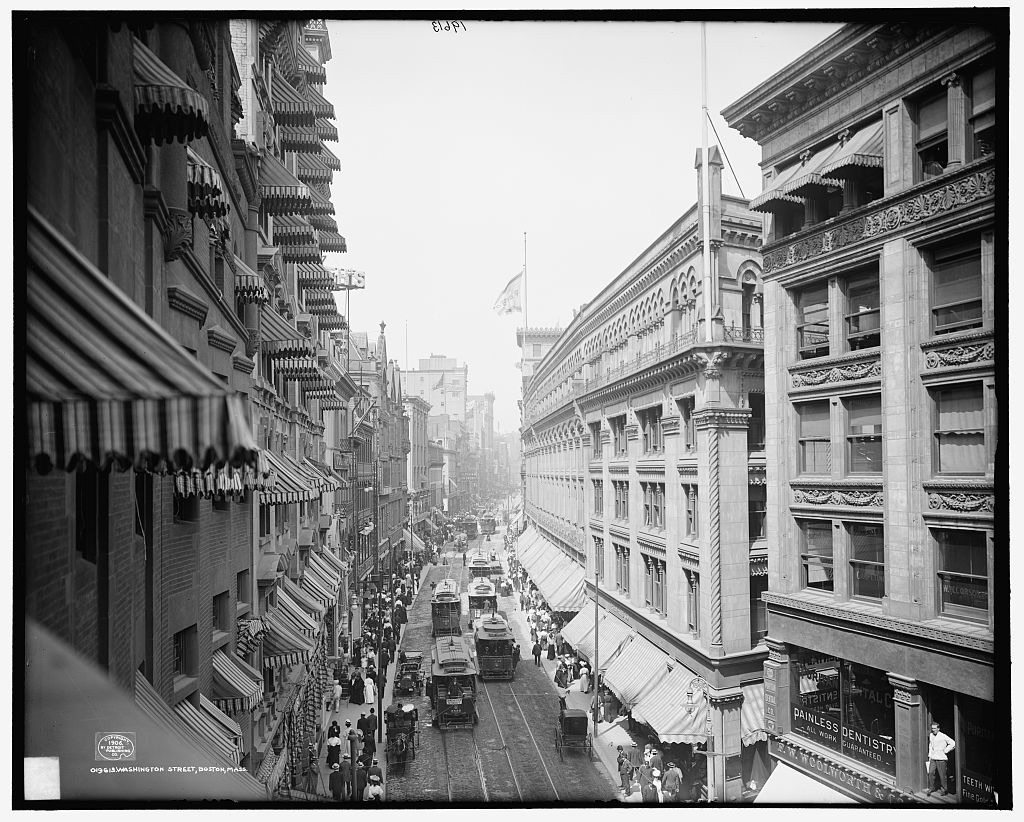
- By 1910, electric streetcars had become the dominant mode of public transportation in many cities.
4. The Founding of the NAACP (1909)
- The National Association for the Advancement of Colored People (NAACP) was formed in response to racial violence, particularly the 1908 Springfield Race Riot in Illinois.
- The organization, led by figures like W.E.B. Du Bois, sought to fight segregation and injustice.
5. The Pure Food and Drug Act & Meat Inspection Act (1906)
- Prompted by Upton Sinclair’s novel “The Jungle”, which exposed unsanitary conditions in the meatpacking industry.
- These laws regulated food safety and led to the creation of the FDA (Food and Drug Administration).
Major Challenges & Trials
6. The San Francisco Earthquake (1906)
- April 18, 1906: A 7.9 magnitude earthquake devastated San Francisco, killing over 3,000 people.
- Fires caused by ruptured gas lines destroyed much of the city, making it one of the worst natural disasters in U.S. history.
7. The Great Fire of 1904 (Baltimore, Maryland)
- February 7-8, 1904: A massive fire destroyed 1,500 buildings in downtown Baltimore.
- The disaster highlighted the need for standardized fire-fighting equipment, as different cities’ fire hoses couldn’t connect.
8. The Panic of 1907
- A severe financial crisis triggered by a failed attempt to manipulate United Copper Company stock, causing a wave of bank runs and business failures. The stock market plunged nearly 50%, and public confidence collapsed. Without a central bank to stabilize the economy, J.P. Morgan led efforts to bail out struggling banks, preventing a total financial meltdown.
Important Cultural Moments
9. The First World Series (1903)
- The Pittsburgh Pirates faced off against the Boston Americans (Red Sox) in the first official World Series. Boston won the best-of-nine series, 5-3.
10. The Teddy Bear Craze (1902)
- After President Theodore Roosevelt refused to shoot a tied-up bear during a hunting trip, a toy company created the first “Teddy Bear.” It became an instant American cultural icon.
11. Ellis Island Immigration Boom
- Over 8.2 million immigrants arrived in the U.S. between 1900-1910, mostly from Southern and Eastern Europe.
- Ellis Island in New York processed up to 5,000 immigrants per day.
Entertainment
The Most Famous Songs from 1900-1910
- “Give My Regards to Broadway” (1904) – George M. Cohan
- One of the most famous Broadway show tunes of the time, often associated with New York’s theater scene.
- “Sweet Adeline” (1903) – Harry Armstrong & Richard Gerard
- A barbershop quartet favorite, popular at social gatherings and vaudeville shows.
- “Shine On, Harvest Moon” (1908) – Nora Bayes & Jack Norworth
- A vaudeville classic performed in musicals and silent films.
- “In the Good Old Summertime” (1902) – Ren Shields & George Evans
- A catchy and lighthearted song that became a summer anthem in the early 1900s.
- “Take Me Out to the Ball Game” (1908) – Jack Norworth & Albert Von Tilzer
- An iconic American song, deeply embedding itself in baseball culture as the unofficial anthem of the sport, famously sung during the seventh-inning stretch at games for over a century.
Adult Media
Movies & TV Shows:
- “Tess of the Storm Country” (1914, silent film)
- Based on a 1909 novel, this early silent film follows a young woman struggling against social class divisions.
- “The Life of Charles Peace” (1905, silent film)
- One of the earliest crime films, dramatizing the real-life story of an English burglar in the late 19th century.
- “Those Magnificent Men in Their Flying Machines” (1965, set in 1910)
- A historical comedy-adventure about an international air race in 1910.
Books:
- “Ragtime” (1975, set in 1900-1910) – E.L. Doctorow
- A classic historical novel blending real figures (Henry Ford, Houdini) with fictional characters.
- Captures the political and social tensions of early 20th-century America.
- “The House of Mirth” (1905) – Edith Wharton
- A critique of high society in the early 1900s, following a woman navigating New York’s elite.
- “Call of the Wild” (1903) – Jack London
- This iconic novel about survival and the wilderness of Alaska during the Klondike Gold Rush is a defining work of American literature from this period, highlighting themes of adventure, the wild, and the human spirit.
Podcasts
7. “The San Francisco Earthquake of 1906“ from Stuff You Missed in History Class
Description: An exploration of the devastating earthquake that struck San Francisco in 1906, discussing its causes, aftermath, and long-term effects on urban development.
Children’s Media
Books:
- Rebecca of Sunnybrook Farm – Kate Douglas Wiggin
Follows an imaginative and spirited girl sent to live with her strict aunts in rural Maine, offering a glimpse into early 1900s small-town life. - Betsy-Tacy – Maud Hart Lovelace
This beloved series begins in 1900 and follows Betsy and her best friend Tacy as they grow up in a small Minnesota town, reflecting everyday American childhood experiences of the time.
Movies & TV Shows:
- Lady and the Tramp (1955)
Set in early 1900s America, Lady and the Tramp captures the charm of turn-of-the-century life with its Victorian homes, horse-drawn carriages, gas-lit streets, and a heartwarming story that reflects class differences, family life, and the growing influence of immigrant communities. - Meet Me in St. Louis (1944)
This musical film follows a family living in St. Louis during the lead-up to the 1904 World’s Fair, depicting middle-class life, traditions, and culture in America at the time.
Podcast:
- Bedtime History Stories – “The Wright Brothers and the First Flight”
A kid-friendly podcast episode about the Wright brothers’ flight in 1903, teaching children about one of the biggest advancements of the era.
1910 Traditional Meal Plan
(All ingredients and cooking tools available in 1910, prepared using early 20th-century methods.)
Breakfast
Beverage: Black Coffee or Hot Cocoa – Coffee was a staple morning beverage across social classes. Children or those preferring a milder option enjoyed hot cocoa, made with milk and cocoa powder.
Meal: Oatmeal with Maple Syrup & Butter – Steel-cut or rolled oats were slow-cooked over a stovetop or fire with water or milk, then sweetened with maple syrup or sugar and finished with a pat of butter.
Side: Fried Apples – Apples were sliced and pan-fried in butter until tender, sometimes with a touch of sugar or molasses.
Dinner
Light Snack: Celery with Cream Cheese or Potted Cheese – Celery was a fashionable raw vegetable snack, often paired with soft cheeses or potted cheese (a spread made from butter and aged cheese).
Entree: Pot Roast with Root Vegetables – A slow-braised beef roast cooked over several hours in a Dutch oven with onions, carrots, and potatoes. Cooking times were long, allowing tough cuts to become tender.
Side : Biscuits – Made from flour, baking powder, milk, and lard or butter, these biscuits were hand-mixed and baked in cast-iron ovens or wood-fired stoves.
Side: Stewed Green Beans with Salt Pork – Green beans, often canned for winter storage, were slow-cooked with salt pork for added flavor.
Dessert: Rice Pudding with Nutmeg and Raisins – A creamy stovetop pudding made with rice, whole milk, sugar, eggs, and spiced with nutmeg. Raisins were added for texture and sweetness.
Beverage: Lemonade or Buttermilk – Freshly squeezed lemonade was a favorite sweet drink, while buttermilk, a byproduct of home-churned butter, was widely consumed in rural areas.
Modernized 1910 Meal Plan
(A contemporary twist using the same core ingredients but with modern techniques and presentation.)
Breakfast
Beverage: Cold Brew Coffee or Whipped Hot Chocolate – A smoother, less acidic take on classic black coffee, cold brew is steeped overnight for richness. Hot chocolate is upgraded with whipped cream and a touch of cinnamon.
Meal: Maple Butter Oatmeal with Toasted Nuts – Creamy oatmeal cooked with milk, drizzled with whipped maple butter, and topped with toasted pecans for crunch.
Side: Cinnamon-Glazed Apple Slices – Instead of simple fried apples, these are caramelized with cinnamon and brown sugar for a more decadent side.
Dinner
Entree: Sous Vide Pot Roast with Roasted Root Vegetables – Instead of slow-braising, the beef is cooked sous vide for ultra-tender results and then seared for a perfect crust. Root vegetables are roasted with garlic butter instead of stewed.
Side: Flaky Buttermilk Biscuits with Herb Butter – Classic biscuits are enhanced with a laminated dough technique for layers and served with rosemary-thyme compound butter.
Side: Garlic Parmesan Green Beans – Fresh green beans are pan-sautéed with garlic, butter, and parmesan cheese instead of slow-stewed.
Dessert: Baked Rice Pudding with Vanilla Bean & Brûléed Sugar – Traditional rice pudding is baked instead of stovetop-cooked, infused with real vanilla bean, and topped with a crispy brûléed sugar crust for a crème brûlée effect.
Beverage: Sparkling Lemonade or Vanilla Bean Buttermilk Smoothie – Lemonade is given a sparkling twist with carbonated water, while buttermilk is blended into a creamy vanilla smoothie with honey.
 Time Traveling Table
Leave a comment