
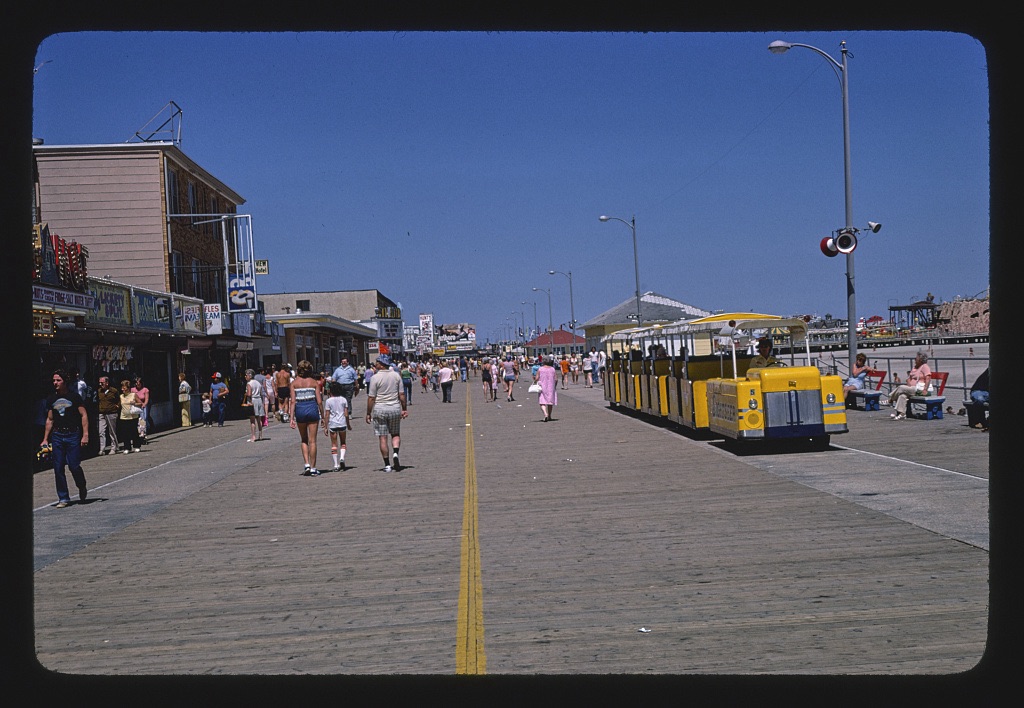
U.S. Population
- Approximately 203 million people
This marked a period of growth from the post-WWII baby boom. The U.S. was in the midst of suburban expansion, civil rights movements, and significant shifts in industry and culture.
Top 5 Most Populated U.S. Cities in 1970:
1. New York City, NY
- Population: ~7.9 million
- Importance: The cultural and financial heart of the U.S. home to Wall Street, publishing, fashion, and the arts. NYC was also known for rising crime, urban decay, and political tension during this decade, but it remained the definitive American metropolis.
2. Chicago, IL
- Population: ~3.4 million
- Importance: The Midwest’s industrial and transportation hub, Chicago was a leader in manufacturing, railroads, and meatpacking. It also played a pivotal role in the civil rights movement and political activism during the era.
3. Los Angeles, CA
- Population: ~2.8 million
- Importance: LA was booming thanks to Hollywood, aerospace, and postwar suburban growth. It became a national center for pop culture, entertainment, and car-centric urban planning.
4. Philadelphia, PA
- Population: ~1.9 million
- Importance: One of America’s oldest cities, Philadelphia was a key industrial, shipping, and cultural center. It experienced significant racial and economic shifts in the 1970s, mirroring national urban struggles.
5. Detroit, MI
- Population: ~1.5 million
- Importance: Known as the Motor City, Detroit was the epicenter of the American auto industry. It was also the birthplace of Motown music, though the 1970s brought economic decline, white flight, and social unrest as auto jobs began to move or disappear.
Staple Foods & Drinks
Foods:
- Casseroles: Tuna noodle, hamburger helper, tater tot, and lasagna
- Meat-centric dishes: Salisbury steak, pork chops, baked chicken, meatloaf (or its alternatives like beef stroganoff)
- Vegetables: Often canned or frozen (green beans, peas, corn); fresh produce was seasonal
- Starches: Instant mashed potatoes, white bread, rice-a-roni, rolls
- Snacks: Twinkies, Hostess cupcakes, Jiffy Pop popcorn, deviled eggs
- Convenience foods: TV dinners, boxed cake mixes, canned soups, Hamburger Helper
- Breakfast staples: Cereal (Cheerios, Frosted Flakes), toast, eggs, pancakes
Drinks:
- Adults: Coffee, iced tea, Tang, Kool-Aid, Coca-Cola, Tab, beer (Schlitz, Budweiser), boxed wine, cocktails (Manhattans, Whiskey Sours)
- Children: Milk, Hi-C, Capri Sun (late ’70s), orange juice
CLOTHING
Men:
- Bell-bottom pants, polyester suits, turtlenecks, leisure suits
- Plaid patterns, denim jackets, platform shoes
Women:
- High-waisted pants, wrap dresses, peasant blouses
- Long hair (often parted in the middle), earth-tone makeup
- Popular materials: corduroy, denim, polyester
Children:
- Bright colors, cartoon-themed T-shirts, overalls
- Girls wore smocked dresses; boys wore striped polos and corduroy pants
FAMILY NORMS
Marriage
- Monogamy was still the dominant social expectation
- Age of marriage: Women ~20–22; Men ~22–24
- Divorce rates began to rise by the mid-to-late ’70s (after no-fault divorce laws passed in many states)
Children & Family Size:
- Average number of children per family: 2–3
- Larger families were less common than in the 1950s and early 1960s
Challenges for Children:
- Stranger danger awareness increased
- Limited safety measures: No car seats required until 1979 in some states
- Educational pressure grew, especially post-Sputnik generation
- Increased awareness of child abuse and bullying, but limited institutional response
Challenges for Parents:
- Mothers began entering the workforce in growing numbers—balancing work and home was new territory
- Pressure to “keep up” with modern convenience, parenting books, and school expectations
- Rising divorce rates created single-parent households, often with fewer financial supports
Common Family Rythems
- Dinner was central: almost always eaten together at the table
- TV united the family—everyone gathered for popular primetime shows
- Weekend routines: yard work, church, grocery shopping, mall visits, or neighborhood BBQs
HOUSING (Middle-Class Standard)
Square Footage:
- Average size: ~1,500–1,700 sq ft
- This was a modest increase from the 1950s and 60s, but still much smaller than homes today.
Bedrooms & Bathrooms:
- Bedrooms: 3
- Bathrooms: 1 to 2 (1.5 was common in early 1970s, 2 full bathrooms became more common later in the decade)
Layout:
- Single-story ranch homes were very popular.
- Split-level and bi-level homes became trendy.
- Features: Carpeting, wallpaper, wood paneling, avocado green or harvest gold kitchens, TV room with console set
Exterior and Neighborhood Features
- Attached garages or carports were common.
- Driveways were standard, often with space for two cars.
- Lawns and backyards were major selling points; lawn care was a middle-class ritual.
- Many suburban neighborhoods had cul-de-sacs, sidewalks, and neighborhood associations.
New Tools & Appliances That Emerged as Mainstream in the 1970s
1. Microwave Oven
2. Trash Compactor
3. Cordless Power Tools (Handheld)
4. Electric Can Openers
5. Digital Alarm Clocks
6. Home Stereos & 8-Track Players
7. Crock-Pots (Slow Cookers)
Honorable Mentions:
- Portable Hair Dryers (hood-style or handheld)
- Electric Fondue Pots (very popular for entertaining)
- Food processors (Cuisinart arrived in U.S. in 1973)
- Garage door openers (remote-controlled ones became more common in suburban homes)
- Calculators – Became affordable for home use by mid-70s
Health
Life Expectancy
- Men: ~67.1 years
- Women: ~74.8 years
Health Trends
Positive Developments:
- Polio was virtually eradicated thanks to widespread vaccination.
- Childhood diseases like measles and mumps declined with routine immunizations.
- Antibiotics (like penicillin, tetracycline) were widely available.
- Heart disease and cancer became the leading causes of death as infectious disease rates declined.
Emerging Concerns:
- Smoking was widespread—over 40% of adults smoked in 1970—though the Surgeon General had begun public health campaigns.
- Obesity rates started climbing slowly due to processed foods and sedentary lifestyles.
- Mental health was still poorly understood and stigmatized.
- Environmental health gained attention with events like the creation of the EPA (1970) and the first Earth Day (1970).
Healthcare System
Access & Insurance:
- Medicare and Medicaid had been introduced just a few years earlier (1965), so more elderly and low-incomeAmericans began receiving care.
- Most working adults got healthcare through their jobs, but uninsured populations still struggled.
- There was no universal healthcare and no requirement for coverage.
Doctor Visits:
- House calls were rare but not gone.
- Pediatricians, family doctors, and general practitioners were still the first stop before specialists.
- Visits cost around $10–$25 (about $85–$210 in today’s dollars).
Medical Practices & Technology
Common Treatments:
- Penicillin, ampicillin, and other antibiotics were routinely prescribed.
- Vaccines for smallpox, polio, DTP, and measles-mumps-rubella (MMR) were widespread.
- Antacids and aspirin were the most common over-the-counter medications.
Breakthroughs of the 1970s:
- CT Scans introduced in 1971 – a major diagnostic leap.
- MRI development began.
- Heart surgery became more common and advanced.
- Laparoscopic surgery began developing (less invasive techniques).
Hospitals & Births
- Most births occurred in hospitals, but natural childbirth gained popularity, especially later in the decade.
- Midwifery saw a small revival among counterculture and rural communities.
- Patient care was more paternalistic, doctors were rarely questioned.
- Nurses were nearly all women, and many held strong community roles.
Cultural Attitudes Toward Health
- Faith healing and holistic medicine saw a small uptick during the rise of alternative lifestyles and the back-to-the-land movement.
- Exercise wasn’t mainstream until the late ‘70s/early ‘80s (jogging became a “thing” thanks to Jim Fixx and others).
- Processed food and microwaves started shaping daily nutrition—sometimes at the expense of health.
Popular Pastimes
For Adults
- Board Games such as Risk and Scrabble
- Card Games such as Bridge, Gin Rummy, and Pinochle were popular at social gatherings.
- Party & Group Games:
- Twister – Physically silly and iconic for parties.
- Charades
- Trivial Pursuit (came out in 1979)
Common Pastimes:
- Bowling – A huge social activity; bowling leagues were common.
- Barbecues & backyard parties
- Disco dancing / Going out dancing – Especially post-1977 (Saturday Night Fever boom).
- Watching TV together – Everyone caught up on MAS*H, Dallas, All in the Family, etc.
- Reading bestsellers – Like Jaws, Roots, and Jonathan Livingston Seagull.
- Record listening – Playing albums from Fleetwood Mac, the Eagles, Led Zeppelin, and more.
Common Events Adults Attended:
- Drive-in theaters
- Dinner parties / potlucks
- Church activities – Picnics, revivals, or Bible study groups.
- Concerts – Rock, disco, or folk music scenes.
- Sporting events – Baseball games (MLB was massive), boxing matches (Muhammad Ali was iconic).
For Children/Families
Games
- Monopoly – Always popular, ideal for long family nights.
- Life (The Game of Life) – A classic reflecting the American dream.
- Clue – A murder mystery game with wide appeal.
- Scrabble – Common in both family and adult gatherings.
- Battleship – Simple yet competitive.
- Uno – launched in 1971 and quickly became a family favorite.
Outdoor Play:
- Riding banana seat bikes with streamers.
- Hopscotch, jump rope, tag, four square.
- Roller skating and skateboarding.
- Building forts in the yard or playing neighborhood-wide hide and seek.
Indoor Play:
- Barbies, GI Joes, Lincoln Logs, Hot Wheels, and Etch A Sketch.
- Watching Saturday morning cartoons like:
- The Flintstones
- Scooby-Doo
- Fat Albert
- Schoolhouse Rock
New Technology:
- Atari released the Pong home console in 1975 – kicking off home video gaming.
- View-Master, Lite-Brite, and Easy-Bake Oven were common in playrooms.
Popular Plays and Theater of the Time
Broadway and traveling theater remained significant. Here are major hits from the 1970s:
Top Stage Productions:
- Jesus Christ Superstar (1971) – Rock opera blending religion and music.
- Grease (1972) – Huge cultural footprint and later an iconic 1978 movie.
- A Chorus Line (1975) – Groundbreaking, long-running musical about Broadway dancers.
- Annie (1977) – Beloved by families and children.
- Chicago (1975) – Satirical, stylish musical about crime and celebrity.
Money
$1 in 1970 is equivalent to approximately $8.38 in 2025.
Average Income
- Median household income: ~$9,870/year (Equivalent to ~$82,600 in 2025)
- The middle class made up a large portion of American households, but many were just scraping by due to inflation, stagnant wages, and increasing costs by the mid-’70s.
- Two-income households began to increase during this time as women entered the workforce in larger numbers.
Common Job Incomes
| Job Title | Average Income | 2025 Conversion |
| Fast Food Worker~$2,500 | ~$2,500 | ~$20,950 |
| Janitor / Custodian | ~$3,800 | ~$31,844 |
| Retail Clerk | ~$5,200 | ~$43,576 |
| Secretary | ~$6,000 | ~50,280 |
| Auto Mechanic | ~$7,200 | ~$60,336 |
| Public School Teacher | ~$8,500 | ~$71,230 |
| Registered Nurse | ~$10,000 | ~$83,800 |
| Corporate Executive / Lawyer | ~$25,000+ | ~$209,500+ |
Note: Union laborers (like auto workers and steelworkers) could make solid middle-class wages.
Common Purchases Prices
| Item | Price | 2025 Conversion |
| Loaf of Bread | 25¢ | $2.10 |
| Gallon of Gas | 36¢ | $3.00 |
| Pack of Cigarettes | 38¢ | $3.20 |
| Dozen Eggs | 60¢ | $5.00 |
| Gallon of Milk | $1.15 | $9.63 |
| Movie Ticket | $1.55 | $13.00 |
| Rent for a Modest Apartment | $150 a month | $1,250 a month |
| College Tuition (public university) | $400 a year | $3,350 a year |
| New Car | $3,450 | $28,900 |
| Average Home | $23,000 | $192,700 |
Religion & Faith
Rise of Evangelical Christianity & the Jesus Movement
- The Jesus Movement grew rapidly in the early 1970s, especially among young people disillusioned by mainstream institutions. It emphasized a personal relationship with Jesus, casual worship styles, and accessible community outreach. Worship often included contemporary music, long hair, jeans, and open-air gatherings.
Maranatha! Music (Founded 1971)
- Launched in Costa Mesa, California, by members of the Calvary Chapel. Played a huge role in creating “Jesus Music”, a forerunner to what we now call Contemporary Christian Music (CCM).
- Lyrics focused on worship, salvation, and countercultural love—presented in the folk-rock and soft rock styles of the day.
Broader Religious Trends
- Growth of non-denominational churches.
- Increase in Eastern religious influence (like Hare Krishna and Transcendental Meditation) especially among youth and counterculture groups.
- The 1970s also saw continued mainline Protestant decline and a growing Catholic Charismatic Renewal.
Art
Defining Aesthetic:
The decade was marked by a blend of rebellion, realism, and bold commercialism. Key movements included:
- Photorealism – Artists like Chuck Close and Richard Estes created paintings that mimicked photographs with intense detail.
- Conceptual Art – The idea was the art; sometimes the execution was deliberately minimal.
- Feminist Art – Artists like Judy Chicago used multimedia to challenge gender roles (The Dinner Party began in 1974).
- Graffiti & Street Art – Began gaining legitimacy in cities like New York.
The NY Red Apple
- Created by graphic designer Milton Glaser, this “red apple” logo became part of the “I Love NY” campaign later in the decade.
- It helped brand New York City during a time of economic and social crisis and is now one of the most recognizable city branding efforts in history.
3. Iconic Artists
- Andy Warhol – Continued to dominate with celebrity portraits and pop culture commentary.
- Georgia O’Keeffe – While older, her art experienced major revival and retrospectives in this decade.
Language & Writing Trends
Writing Style
- More conversational, informal, and experimental. Nonlinear storytelling and stream-of-consciousness prose became more common in both fiction and journalism.
Rise of Personal Narratives
- Memoirs and personal essays gained traction, influenced by cultural shifts toward authenticity and self-exploration.
Slang & Everyday Speech
Reflecting both counterculture and disco culture, some iconic slang terms included:
- Groovy
- Far out
- Foxy
- Jive turkey
- Keep on truckin’
- Can you dig it?
- Boogie
- Right on!
Language was influenced by African American Vernacular English, hippie culture, and emerging youth lingo via TV and music.
Major Moments
1. POLITICAL & SOCIAL ADVANCEMENTS
- Environmental Movement & Legislation
- First Earth Day (1970): 20 million Americans participated, marking a turning point in environmental awareness.
- Environmental Protection Agency (EPA) established (1970)
- Clean Air Act (1970) and Clean Water Act (1972)
- Rise of Second-Wave Feminism
Women pushed for workplace equality, reproductive rights, and greater representation. - Title IX of the Education Amendments (1972)
Banned sex-based discrimination in federally funded education programs, revolutionized women’s sports and educational equality. - Roe v. Wade (1973)
Supreme Court legalized abortion nationwide, igniting decades of cultural and legal debate. - End of the Vietnam War (1973–1975)
U.S. troops withdrew in 1973. In 1975, Saigon fell to North Vietnamese forces, marking the official end of the war. - Watergate Scandal and Nixon’s Resignation (1974)
President Richard Nixon became the first U.S. president to resign after being implicated in a break-in and cover-up effort.
2. CULTURAL MOMENTS & ICONS
- Bicentennial Celebration (1976)
The U.S. celebrated 200 years of independence with parades, fireworks, media specials, and a surge in patriotic pop culture. - Rise of Blockbuster Films
- Jaws (1975) and Star Wars (1977) launched the modern summer blockbuster.
- Rocky (1976) captured themes of grit and American underdog spirit.
- Women’s Liberation Movement Continues
- Ms. Magazine founded (1971)
- ERA (Equal Rights Amendment) passed Congress in 1972 (but not ratified)
- Disco & Studio 54
Disco exploded in popularity mid-decade, defining nightlife with clubs like Studio 54 and music icons like Donna Summer and the Bee Gees. - The High Five is Invented (1977)
Glenn Burke and Dusty Baker at a Dodgers game; now a universal gesture of celebration.
3. TECHNOLOGICAL ADVANCEMENTS
- Apple Computer Founded (1976)
Steve Jobs and Steve Wozniak created the Apple I in a garage, setting the stage for the personal computing revolution. - MRI Technology Developed
Though it wouldn’t become widely available until the 1980s, the first human MRI images were produced in 1977 in the U.S. - VCRs and Home Media
Videocassette recorders became available to consumers mid-decade, shifting how Americans watched movies and TV. - UPC Barcode Debuts (1974)
First scanned item: a pack of Wrigley’s gum; revolutionized retail. - Introduction of the Walkman (1979)
Sony’s portable cassette player transformed personal music consumption.
4. EXTREME WEATHER & DISASTERS
- Great Blizzard of 1978
A paralyzing storm hit the Midwest and Northeast, shutting down entire cities. - Three Mile Island Nuclear Accident (1979)
Partial meltdown at a Pennsylvania nuclear plant led to widespread fear, tighter regulation, and slowed nuclear energy growth.
5. ECONOMIC & SOCIAL TRIALS
- Oil Crisis (1973 & 1979)
Caused by OPEC embargo and Iranian Revolution respectively, leading to fuel shortages, gas lines, and economic shock. - Stagflation
Unprecedented combination of high inflation and stagnant economic growth, frustrated policymakers and citizens alike. - New York City Fiscal Crisis (1975)
NYC nearly went bankrupt; Ford famously declined a federal bailout (“Ford to City: Drop Dead” headline).
6. NOTABLE BATTLES & CONFLICTS
- Kent State Shootings (1970)
National Guard troops killed four student protesters opposing the Vietnam War, deeply shook the public. - Wounded Knee Occupation (1973)
Members of the American Indian Movement occupied Wounded Knee, South Dakota, protesting federal policies and broken treaties. - Iran Hostage Crisis Begins (1979)
After the Iranian Revolution, 52 Americans were taken hostage at the U.S. embassy in Tehran, marking the beginning of a 444-day crisis.
Youth Culture & Lifestyle
- Skateboarding & the Rise of the Z-Boys
Venice Beach skaters revolutionized style and competition. - Roller Disco
Merging disco music with roller skating; vibrant youth trend. - Pet Rocks, Mood Rings, and Lava Lamps
Eccentric fads that symbolized a playful, experimental culture. - 8-Track Tapes Give Way to Cassettes
A defining transition in music consumption at home and in cars.
Entertainment
Iconic Songs & Artists
- “Stayin’ Alive” – Bee Gees (1977)
Disco anthem of the decade, forever linked with 1970s dance culture and the film Saturday Night Fever. - “American Pie” – Don McLean (1971)
A folk-rock epic reflecting on America’s cultural shifts, loss of innocence, and music history. - “Superstition” – Stevie Wonder (1972)
Funky, bold, and unmistakably 1970s, with Stevie’s signature clavinet groove. - “Hotel California” – Eagles (1976)
A haunting rock ballad that captured themes of decadence, disillusionment, and the American dream. - “Let’s Stay Together” – Al Green (1971)
One of the smoothest, most soulful love songs of the decade, still a classic. - “Bohemian Rhapsody” – Queen (1975)
Though Queen is British, this song had a massive U.S. impact, genre-defying and radio-revolutionizing. - “I Will Survive” – Gloria Gaynor (1978)
An empowering disco hit that became a cultural anthem, especially for women and LGBTQ+ communities. - “Dreams” – Fleetwood Mac (1977)
Soft rock perfection from the best-selling Rumours album, reflecting personal turmoil and artistic brilliance. - “Le Freak” – Chic (1978)
Iconic disco track that captures the Studio 54 vibe and late-’70s nightlife energy. - “Take Me Home, Country Roads” – John Denver (1971)
A nostalgic, feel-good folk song representing rural America, home, and nature.
Popular Entertainment
- The Godfather (1972) & The Godfather Part II (1974)
- Monumental in film history, chronicled power, corruption, and family in America.
- Taxi Driver (1976, film)
- A gritty depiction of post-Vietnam War alienation and urban decay in 1970s New York City.
- The Mary Tyler Moore Show (1970–1977, TV)
- Captures the rise of single, career-driven women and workplace dynamics of the era.
- Saturday Night Fever (1977, film)
- Explores working-class youth and disco culture in Brooklyn, iconic 1970s music, fashion, and identity.
- American Graffiti (1973, film)
- Though technically set in 1962, it was hugely popular in the ‘70s and reflects nostalgia culture of that decade.
- Norma Rae (1979, film)
- A true-story-inspired drama about labor unions and blue-collar activism in the South.
- Rocky (1976, film)
- Underdog story that resonated with working-class America.
- Jaws (1975, film)
- The first modern blockbuster and a defining film of the decade.
CHILDREN’S Entertainment
- The Muppet Show (1976–1981)
- Entertained both kids and adults—brilliant puppetry, humor, and music.
- The Brady Bunch (1969–1974, TV)
- Quintessential blended-family sitcom showcasing suburban life and family values of the time.
- Schoolhouse Rock! (1973–1984, TV shorts)
- Educational cartoons teaching grammar, math, and civics, pure 1970s classroom and Saturday morning culture.
- Fat Albert and the Cosby Kids (1972–1985, TV)
- Set in an urban neighborhood, focusing on friendship, life lessons, and diversity.
- The Berenstain Bears (books)
- These beloved books taught morals and everyday family lessons.
- Superfudge by Judy Blume (1972)
- A classic middle-grade novel depicting relatable suburban childhood life in the early ‘70s.
- Now and Then (1995 film)
- Nostalgic coming-of-age story about girlhood in small-town America in the 70’s
1970s-Themed Meal Plan (Historically Authentic)
Based only on tools and ingredients available in the 1970s
Breakfast
- Scrambled Eggs with Cheddar Cheese – Cooked in a nonstick or cast-iron skillet with margarine or butter.
- Pan-Fried Ham or Spam Slices – Fried on the stovetop using a classic electric or gas range.
- Buttered Toast (Whitest White Bread – Specifically Wonder Bread) – Toasted in a pop-up toaster and slathered with margarine.
- Fresh Strawberries or Melon Slices – Seasonally fresh, often purchased from a local grocer or stand.
- Beverage: Tang (orange-flavored powdered drink mix) or fresh-brewed drip coffee using a percolator.
Afternoon Snack
- Applesauce
Dinner
Main Course:
- Tuna Noodle Casserole – Made with canned tuna, egg noodles, condensed cream of mushroom soup, frozen peas, and crushed potato chips or breadcrumbs on top.
Sides:
- Classic Iceberg Salad with tomato wedges, shredded carrots, cucumbers, radishes, and Thousand Island or French dressing.
- Buttered Brown-and-Serve Rolls – Heated in the oven and served with margarine or softened butter.
Beverage:
- Kool-Aid – Likely served in a glass pitcher with lots of sugar, flavored with cherry, grape, or orange.
Dessert:
- “The Robert Redford” Dessert – A layered dessert with a pecan shortbread crust, cream cheese layer, chocolate pudding layer, and whipped topping (Cool Whip), named after the beloved actor of the time.
Modern Twist Meal Plan (1970s-Inspired with Contemporary Updates)
Modern techniques, ingredients, and dietary considerations—while still echoing the 1970s style
Breakfast
- Soft Scrambled Farm Eggs with Aged White Cheddar – Creamy and slow-cooked, using clarified butter or ghee.
- Artisan Ham Steaks or Crisped Spam Bites – Pan-seared with a maple glaze.
- Whole-Grain Sourdough Toast with European Butter – Toasted and topped with microgreens or a light citrus jam.
- Local Strawberries or Cantaloupe Ribbons – Lightly dressed with honey and mint.
- Beverage: Fresh-squeezed orange juice or a craft cold brew coffee with oat milk foam.
Snack
- Applesauce with a sprinkle of cinnamon
Dinner
Main Course:
- Deconstructed Tuna Noodle Bake – Made with albacore tuna, artisan pasta, house-made mushroom béchamel, caramelized shallots, and a breadcrumb-Parmesan crust.
Sides:
- Heirloom Iceberg Wedge Salad with cherry tomatoes, shaved radish, julienned carrots, and house-made French dressing with a paprika twist.
- Garlic-Parmesan Pull-Apart Rolls – Baked fresh with real butter and roasted garlic, brushed with herb oil.
Beverage:
- Craft Kool-Aid-Inspired Mocktail – Cherry-lime fizz using fresh juice, soda water, and herbal syrup. Optional: spiked version with vodka or gin.
Dessert:
- Elevated “Robert Redford” Parfait – Served in clear tumblers with layers of almond crust crumble, mascarpone-cream cheese whip, dark chocolate ganache, and shaved chocolate topping.
 Time Traveling Table
Leave a comment