
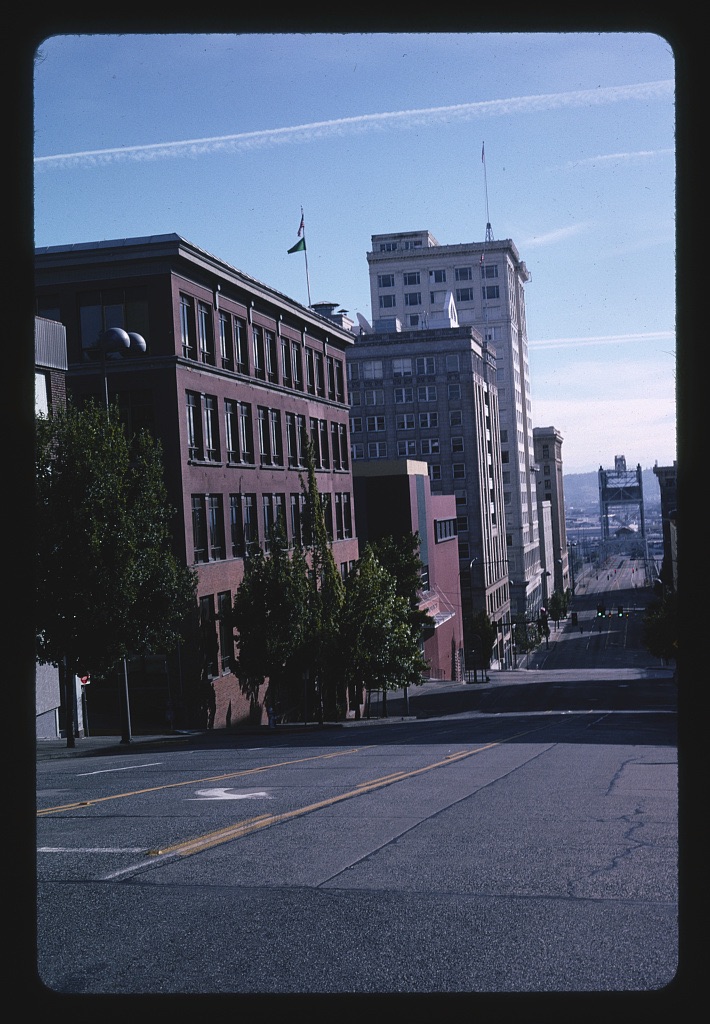
Just so we’re all on the same page. Please ensure you’ve made yourself acquainted with my disclaimer
Demographics
Total U.S. Population:
281.4 million
Age Groups
- Children (0–14 years): 21.4%
- A large cohort of Generation Z
- Teens & Young Adults (15–24 years): 13.9%
- Young Millennials
- Young to Middle-Aged Adults (25–44 years): 30.2%
- Largest adult segment; late Gen X and older Millennials
- Older Working Adults (45–64 years): 22.0%
- Baby Boomers in their prime working years
- Seniors (65+ years): 12.4%
- Mostly Silent Generation and early Boomers
- Median Age: 35.3 years
- The U.S. was just beginning to shift toward an older population, a trend that would accelerate through the 2000s.
- Healthcare was primarily delivered via private insurance, often through employers.
- Around 15–17% of Americans (~45 million people) were uninsured in any given year.
- Medicaid (low-income) and Medicare (elderly) covered large populations, but gaps remained.
- ADHD diagnoses rose sharply
- Autism diagnosis rates increased, partly due to improved detection
- Controversy swirled around vaccine myths (e.g. false link between MMR and autism, heavily debunked)
Race & Ethnicity: Based on Self-Identification (Census 2000 allowed multiple racial selections):
- White (non-Hispanic): 69.1%
- Hispanic/Latino (of any race): 12.5%
- Black or African American: 12.3%
- Asian: 3.6%
- American Indian or Alaska Native: 0.9%
- Native Hawaiian or Other Pacific Islander: 0.1%
- Two or More Races: 2.4%
- First census to allow checking more than one race
🔸 Hispanic or Latino was recorded as an ethnic category, meaning individuals could be of any race.
Top 5 Most Populated Cities
1. New York City, NY
Population: ~8.4 million
Importance:
- America’s largest city and global hub for:
- Finance (Wall Street)
- Media (NBC, New York Times, MTV)
- Arts & culture (Broadway, museums, fashion)
- Post-9/11 NYC became a symbol of American resilience
- Diverse, densely populated, and still growing through immigration and tech development.
2. Los Angeles, CA
Population: ~3.8 million
Importance:
- Entertainment capital of the world (Hollywood, music, television)
- Strong Hispanic and Asian influence, major center for immigration and cultural blending
- Key industries: film, aerospace, international trade (Port of LA), and fashion
- Also a leader in early environmental policy and hybrid car adoption
3. Chicago, IL
Population: ~2.8 million
Importance:
- Economic center of the Midwest with strong finance, manufacturing, and transportation
- Culturally rich in music (jazz, blues, house), theater, and comedy
- Barack Obama launched his national career here
4. Houston, TX
Population: ~2.2 millionImportance:
Importance:
- A rising star city. Fast-growing, ethnically diverse, with strong industries in:
- Oil & energy
- Aerospace (NASA’s Johnson Space Center)
- Medical (Texas Medical Center)
- Affordable housing and job growth made it a major destination for domestic migration
5. Phoenix, AZ
Population: ~1.6 million
Importance:
- One of the fastest-growing cities in the U.S. during the 2000s
- Popular for retirees and families relocating for warm weather and low taxes
Weather
1. West Coast – Los Angeles, CA
- Climate: Mediterranean – Mild, dry summers, wet winters, ocean influence
- Winter (Jan):
- Avg High: 68°F
- Avg Low: 48°F
- Summer (July):
- Avg High: 84°F
- Avg Low: 64°F
- Avg Humidity:
- Morning: ~80%
- Afternoon: ~50–60%
2. Southwest – Phoenix, AZ
- Climate: Desert – Extremely hot, very dry, low rainfall
- Winter (Jan):
- Avg High: 67°F
- Avg Low: 46°F
- Summer (July):
- Avg High: 106°F
- Avg Low: 83°F
- Avg Humidity:
- Morning: ~40%
- Afternoon: ~15–20%
One of driest major cities in the U.S.
3. Rocky Mountain – Denver, CO
- Climate: Semi-arid continental – Dry air, sharp temp swings, snow in winter
- Winter (Jan):
- Avg High: 45°F
- Avg Low: 17°F
- Summer (July):
- Avg High: 88°F
- Avg Low: 59°F
- Avg Humidity:
- Morning: ~55–65%
- Afternoon: ~30–40%
4. Plains – Kansas City, MO
- Climate: Humid continental – Hot summers, cold winters, thunderstorms common
- Winter (Jan):
- Avg High: 38°F
- Avg Low: 20°F
- Summer (July):
- Avg High: 89°F
- Avg Low: 70°F
- Avg Humidity:
- Morning: ~85%
- Afternoon: ~55–60%
5. South – Atlanta, GA
- 2000: ~$42,000
- 2005: ~$46,000
- 2009 (Post-recession dip): ~$50,000
- Climate: Humid subtropical – Long hot summers, brief mild winters
- Winter (Jan):
- Avg High: 53°F
- Avg Low: 33°F
- Summer (July):
- Avg High: 89°F
- Avg Low: 71°F
- Avg Humidity:
- Morning: ~90%
- Afternoon: ~60–70%
6. East Coast – New York City, NY
- Climate: Humid subtropical/continental – Seasonal extremes, windy
- Winter (Jan):
- Avg High: 39°F
- Avg Low: 27°F
- Summer (July):
- Avg High: 85°F
- Avg Low: 69°F
- Avg Humidity:
- Morning: ~80-90%
- Afternoon: ~50-65%
Notable Climate Change Shifts Since 1950
Most U.S. cities have experienced a temperature increase of 2 to 3°F since 1950, leading to warmer winters and longer summers. Days over 90°F and nights above 70°F have become more common, particularly in the South and West. Rising ocean temperatures and increased evaporation have also led to higher average humidity in many regions. Across the country, communities are seeing more frequent heat waves, intensifying storms, and an uptick in flooding events.
Food & Drink
Staple Foods
Middle-class American diets during this decade were shaped by convenience, processed foods, and emerging “health-conscious” trends. Most households cooked at home often but also ate out or ordered in regularly.
Everyday Meals:
- Breakfast:
- Toaster waffles (like Eggo), cereal (Froot Loops, Cheerios), Pop-Tarts
- Bagels with cream cheese, McGriddles (McDonald’s launched these in 2003)
- Yogurt cups, orange juice, SunnyD
- Lunch:
- Turkey sandwiches, peanut butter & jelly
- Lunchables, frozen meals (Hot Pockets, Lean Cuisine)
- Chips (Doritos, Pringles), Capri Sun or soda
- Dinner:
- Spaghetti, taco night, Hamburger Helper, chicken tenders
- Pizza (takeout or frozen), meatloaf with mashed potatoes
- Corn, canned veggies, salad from a bag
- Snacks:
- Gushers, Fruit by the Foot, Goldfish crackers
- 100-calorie packs (huge trend in mid-2000s)
- String cheese, microwave popcorn, granola bars
- Dessert:
- Lava cakes, pudding cups, ice cream (Dippin’ Dots at events)
- Little Debbie snack cakes, cookies (Chips Ahoy!, Oreos)
Staple Beverages
- Kids:
- Capri Sun, Kool-Aid Jammers, SunnyD, Yoo-hoo, Nesquik
- Milk (still heavily promoted), soda (especially Mountain Dew, Sprite, Pepsi)
- Adults:
- Coffee (Starbucks boom era – Frappuccinos, anyone?)
- Soda (Coke Zero launched in 2005), Snapple
- Bottled water (Aquafina, Dasani, Fiji, SmartWater became status symbols)
- Alcohol: Zima, Mike’s Hard Lemonade, Smirnoff Ice, Bud Light, boxed wine
Eating out: Applebee’s, Chili’s, TGI Friday’s, Panera, and Subway were peak casual dining experiences.
Clothing & Style
- Fiction and nonfiction dealt with grief, national identity, war, and surveillance.
- Examples:
- Extremely Loud & Incredibly Close by Jonathan Safran Foer (2005)
- The Looming Tower by Lawrence Wright (2006)
Fashion in the 2000s was iconic, chaotic, and full of experimentation. Think low-rise jeans, shiny fabrics, chunky shoes, and logo overload.
Women’s Fashion (Teens & Adults)
- Low-rise bootcut jeans (Abercrombie, American Eagle, Levi’s)
- Baby tees & graphic shirts (with glittery or sarcastic slogans)
- Layered tanks & camisoles
- Velour tracksuits (Juicy Couture – huge status item)
- Peasant tops, halter tops
- Platform flip-flops, Ugg boots, Skechers
- Rhinestone-studded everything
Accessories:
- Butterfly clips, trucker hats, charm bracelets
- Purses with logos (Coach, Dooney & Bourke)
- Wide belts over everything
- Tiny sunglasses, hoop earrings
- Clear lip gloss, frosted eyeshadow, heavy eyeliner
Men’s Fashion (Teens & Adults)
- Baggy jeans or cargo pants
- Graphic tees (Quiksilver, Billabong, Tapout, band logos)
- Polo shirts with popped collars
- Skater style (DC Shoes, Etnies, chain wallets)
- Button-ups with flames or dragons (yes, really)
Accessories:
- Backwards baseball caps, sweatbands
- Long necklaces, Livestrong bracelets (launched 2004)
- Tribal tattoos and barbed wire designs (popular in late 90s/early 2000s)
Tattoos: Breaking the Stigma
This was the transformational decade:
- Tattoos entered reality TV culture with shows like:
- Miami Ink (2005)
- LA Ink (2007)
- Celebrities made tattoos aspirational:
- Angelina Jolie’s script tattoos and Brad Pitt’s minimal ink
- Rihanna, Eminem, and Travis Barker brought tattoos into pop/hip-hop culture
- Women became a rising demographic in the tattoo world—especially lower back tattoos (later called “tramp stamps”), wrist tattoos, and ankle ink.
Workplace Shift:
- Some workplaces still required covering tattoos, but many relaxed dress codes, especially in creative, tech, or service industries.
- Healthcare workers, teachers, and even corporate professionals increasingly had visible tattoos.
- So by the end of the 2000s, 1 in 5 adults had at least one tattoo, and the majority of Americans no longer viewed them as “unprofessional” or “criminal.”
Children’s Clothing
- Branded characters: Dora the Explorer, SpongeBob, Disney Princesses
- Denim skirts, overalls, light-up sneakers
- Jelly bracelets, slap bracelets, Silly Bandz (late 2000s)
- Heelys (shoes with wheels in the heels)
General Health Outlook
- Child survival rate to adulthood (age 18):
Over 99% in the United States- Infant mortality was ~6.9 per 1,000 live births in 2000.
Life Expectancy at birth
- Males: 74.1 years
- Females: 79.5 years
Healthcare System Overview
Medicine & Treatment Advancements
- This decade saw major leaps in treatment and technology:
- Widespread use of MRIs, CT scans
- Minimally invasive surgeries
- Targeted cancer therapies (e.g., Gleevec in 2001)
- Advancements in HIV treatment turned it from fatal to chronic
- HPV vaccine (Gardasil) approved in 2006
Mental Health:
- Depression, anxiety, and ADHD gained more public recognition.
- Stigma remained, but therapy and psychiatric medications became more normalized.
- SSRIs (like Zoloft, Prozac, Lexapro) were widely prescribed.
Children’s Health
Routine Childcare Access:
- Well-child visits, vaccines, and dental care were standard in middle-class families.
- Common vaccines;included MMR, DTaP, polio, hepatitis B, varicella, and flu.
Common Health Issues
For Adults:
- Heart disease remained the leading cause of death
- Rising rates of type 2 diabetes, obesity, and hypertension
For Children:
- Rise in childhood obesity
- Increase in allergies and asthma
- More sedentary lifestyles due to screen time and indoor activities
Public Health Highlights
- No Child Left Behind Act (2001) included some school health policies (physical education/testing)
- CDC began aggressively tracking flu pandemics and SARS (2003)
- 2009 H1N1 (Swine Flu) Pandemic prompted rapid public vaccination campaigns
Social Structures
Marriage & Monogamy
- Monogamy was still the norm and socially expected in most communities.
- Most romantic partnerships, whether married or not, were monogamous.
- Dating culture was shifting due to online platforms (Match.com, eHarmony, and later OKCupid).
- Living together before marriage became more common and less stigmatized during this decade.
Marriage Trends
- Median age at first marriage:
- Men: ~27 years
- Women: ~25 years
- Fewer people were marrying young, and more were delaying or avoiding marriage altogether.
- Divorce rates remained relatively high but were beginning to level off from the spike in the 1980s–1990s.
- Same-sex marriage was not federally legal yet, but:
- Massachusetts legalized it in 2004, starting a major cultural and legal shift.
Children & Family Size
- Average number of children per household:
➤ Between 1.8 and 2.1 children - Most families had two children.
- First-time parents were typically in their late 20s to early 30s.
A growing number of parents were waiting longer to start families. They did so because of career priorities, financial pressure, or infertility treatment options.
Challenges For Children
1. Oversaturation of Media & Screen Time
- Rise of 24/7 cable TV,Game Boys,DVDs, and early internet access
- Parental concerns about:
- Violence in video games
- Internet safety
- Lack of outdoor play
2. Standardized Testing Culture
- No Child Left Behind Act (2001) emphasized testing in schools
- Increased pressure on students and teachers to “teach to the test”
- Many kids had more homework and less recess
3. Safety & Anxiety Post-9/11
- New climate of fear: terrorist attacks, amber alerts, lockdown drills
- Schools installed metal detectors, security cameras, and conducted active shooter drills
4. Rise in Diagnoses of ADHD, Autism, and Learning Disabilities
- Better awareness and diagnosis—but also controversy over overmedication
- Ritalin and Adderall became household words
5. After-School Supervision Gap
- Dual-working parents often meant kids were in after-school care, latchkey situations, or heavily scheduled with activities
- Structured play (karate, gymnastics, dance) often replaced free play
Challange Of Having Children
1. Cost of Childcare
- Childcare costs were rising sharply especially in urban/suburban areas
- Many families spent 10–25% of income on childcare alone
2. Education Pressure
- Parents began saving for college from birth due to skyrocketing tuition
- Public vs. private school debates became more intense
- Gifted programs and preschool enrichment were heavily pursued
- This was the first generation of parents navigating digital childhood:
- When to give a cellphone?
- How to monitor internet use?
- Is “screen time” harmful?
Average Middle-Class Home
Size & Layout
- Average square footage:
- ~2,100 sq ft
- Bedrooms:
- 3 to 4 bedrooms was typical
- Bathrooms:
- 2 to 2.5 bathrooms
- A master ensuite (bedroom with attached private bathroom) became increasingly standard
- Garage:
- Attached 2-car garages were common
- Some newer homes added a 3rd tandem space for storage or recreational vehicles
Layout & Design Features
- Formal dining rooms were still common in suburban homes
- “Great rooms” (kitchen/living/dining combined) gained popularity mid-decade
- Loft spaces or bonus rooms began appearing upstairs in new builds
New & Notable Home Tools/Features
Appliances & Systems
- Stainless steel appliances became the modern standard, replacing black/white
- Side-by-side refrigerators with water/ice dispensers grew in popularity
- Microwaves over the stove became common (over-the-range combo units)
- Front-loading washers and dryers emerged (especially in late 2000s)
- Garbage disposals and built-in water filtration systems gained ground
Technology Integration
- Wi-Fi routers began appearing in homes (thanks to broadband expansion)
- Home computer stations or dens were common, often with a family PC
- Wired landline phones were still present, but cordless phones with answering machines were the standard
- Flat-screen TVs began replacing boxy CRTs (especially post-2005)
- DVD players became must-haves; TiVo and DVRs began to replace VCRs
Other Household Trends
- Granite countertops became aspirational (and more affordable over time)
- Kitchen islands became standard in new homes
- Walk-in closets, especially in master suites
- Carpet in bedrooms, tile or linoleum in bathrooms/kitchens
- Gas fireplaces replaced wood-burning ones in new developments
Pastime/Leisure
Adults
Popular Games & Hobbies
- Texas Hold’em Poker – Massive boom in early 2000s (thanks to televised events like the World Series of Pokerand online platforms like PokerStars).
- Video Games for Adults:
- Halo (2001), Call of Duty, World of Warcraft (2004)
- Guitar Hero (2005) and Rock Band (2007) – party staples
- Board Games (re-emerging):
- Settlers of Catan, Risk, Apples to Apples
- Fantasy Football & Sports Brackets – Became huge with online access
Free Time & At-Home Activities
- DVD Marathons – “Netflix” was still DVDs by mail; boxed sets of Friends, Lost, The Sopranos were common.
- Scrapbooking & DIY crafts – Especially popular with moms (thanks, Michaels and Hobby Lobby).
- Online Forums & Blogging – Early blogspot and LiveJournal culture
- Home Improvement Shows – Trading Spaces, Extreme Makeover: Home Edition
Popular Events & Outings
- Bars & Clubs – Especially popular were early 2000s dance clubs and themed bars with karaoke and retro nights
- Live Music & Concerts:
- Massive pop and rock tours: NSYNC, Britney Spears, Linkin Park, Green Day, U2, Coldplay
- Lollapalooza was revived in 2005
- Warped Tour peaked in popularity
- Sporting Events:
- NFL, NBA, MLB games were major social outings
- Super Bowl parties became events of their own
Big Events & Cultural Moments
- 2004 & 2008 Presidential Elections (especially Obama’s in ’08)
- Art and Food Festivals, Wine Walks, and Farmers Markets
- Book club culture, especially around Oprah’s Book Club picks
Children & Families
Popular Games & Toys
- Video Games (Kids/Teens):
- Pokémon Ruby/Sapphire, Super Smash Bros., Mario Kart: Double Dash
- Dance Dance Revolution (arcades and home mats)
- Animal Crossing (GameCube, 2002)
- Handheld Gaming:
- Game Boy Advance SP (2003), Nintendo DS (2004), PSP (2005)
- Board Games & Toys:
- Scene It, Sorry!, Candy Land, Twister
- Beyblades, Yu-Gi-Oh! cards
- Bratz Dolls, American Girl, Barbie with a laptop accessory
- Outdoor Games:
- Kickball, tag, sidewalk chalk, water balloons
- Razor scooters, Slip-N-Slides, and trampolines
After-School Pastimes
- TV Shows:
- Lizzie McGuire, That’s So Raven, Drake & Josh, SpongeBob SquarePants, Arthur, Zoom
- Movies (on repeat):
- Finding Nemo, The Incredibles, Spy Kids, Shrek, High School Musical
- Music Discovery:
- Radio Disney, MTV’s TRL, iTunes samplers
- Kids started burning CDs and downloading from Limewire (even if they weren’t supposed to)
Common Family Activities
- Chuck E. Cheese parties
- Mall trips, Build-A-Bear, Hot Topic (for older kids)
- Mini golf, bowling, and laser tag outings
- Movie theaters were a big weekend treat
- Camping or RV trips – especially national parks and KOAs
Live Events & Family Attractions
- Local fairs and carnivals
- County/State Fairs with rides and fried food
- Large concerts for tweens/teens:
- NSYNC, Backstreet Boys, Hilary Duff, Miley Cyrus/Hannah Montana
Major Milestones & Cultural Moments for Kids
- Harry Potter book releases (2000–2007) – midnight lines at bookstores
- School computer labs & typing classes – “All the Right Type,” “Mavis Beacon”
- Early iPod and MP3 player adoption – Shuffles and Nanos
- School dances, Scholastic Book Fairs, and field days
Economics
Average Annual Household Income: ~42,000
Minimum wage averaged ~$5.15–$6.55/hour
Using the U.S. CPI inflation rate, $1 in 2000 is roughly $1.79 in 2025.
- So, $42,000 in 2000 ≈ $75,200 in 2025
Were Most Americans Middle Class?
- Yes, most households identified as “middle class,” but the definition varied widely.
- Middle class generally meant earning between $35,000 and $100,000, depending on family size and location.
8 Common Jobs
| Jobs | Average 2000 Salary | 2025 Conversion |
| Fast Food Worker | $13,000/year | $23,000 |
| Retail Cashier (Common starter job for teens & young adults) | $16,000/year | $28,000 |
| Teacher (Public K-12); Varied widely by state | $45,000/year | $80,550 |
| Construction Worker | $37,000/year | $66,300 |
| Registered Nurse | $52,000/year | $93,000 |
| IT Technician | $58,000/year | $103,800 |
| Corporate Manager | $90,000/year | $161,000 |
| Software Engineer/CEO | $125,000-$300,000+ | $224k-$537K+ |
8 Common Purchases
| Item | Average 2000 Price | 2025 Conversion |
| Loaf of Bread | $1.00-$1.25 | $1.80-$2.20 |
| Dozen Eggs | $1.00-$1.50 | $1.80-$2.70 |
| Gallon of Gas | $1.45-$3.00 | $2.60-5.35 |
| Gallon of Milk | $2.75 | $4.90 |
| Movie Ticket | $5.50-$7.00 | $10-$12.50 |
| Cell Phone Bill | $40/month | $70/month |
| New Car | $24,000 | $43,000 |
| Home Price | $193,000 | $345,000 |
By 2008–09, the housing bubble peaked, and then collapsed. Home prices had inflated rapidly, only to crash during the Great Recession, causing a major financial crisis.
Other Key Money Facts from the 2000s:
Credit Card Use Surged
- Credit cards became normalized, even among college students.
- Debt loads increased, and personal bankruptcies hit record levels before 2005 reform laws made them harder to file.
2008 Financial Crisis (The Great Recession)
- Subprime mortgages led to a housing crash and massive wave of foreclosures.
- Unemployment peaked at ~10%.
- Massive job losses across construction, finance, and retail.
- Young workers graduating in 2008–2009 faced historic economic setbacks.
Wages vs. Cost of Living
- Wages were mostly stagnant, while costs for healthcare, housing, and college rose sharply.
- Many Americans started to feel like they were working harder but falling behind, a key narrative of late-decade discontent.
Religion & Faith
General Trends:
- Religion remained highly influential, but younger generations (Millennials) began identifying more with “spiritual but not religious” or non-affiliated groups (the rise of the “nones”).
- Following 9/11, faith, patriotism, and national identity became more deeply entwined, many turned to religion for comfort and clarity.
- Interfaith conversations gained traction, especially regarding Islam, after years of public misconceptions and tension.
Major Faith-Related Milestones:
1. Post-9/11 Religious Response (2001–2003)
- Many Americans turned to faith for solace after the attacks. Rise in attendance at churches, synagogues, mosques.
- A rise in Islamophobia, prompting national conversations around religious freedom and discrimination.
2. Debates Over Faith in Public Life
- Ten Commandments monument removals, school prayer controversies, and debates about “In God We Trust”on currency re-emerged.
3. Rise of Megachurches & Televangelism
- Churches like Lakewood (Joel Osteen) and Saddleback (Rick Warren) gained massive national followings.
- Warren’s “The Purpose Driven Life” (2002) became one of the best-selling nonfiction books of the decade.
4. Pop Culture & Faith Crossovers
- Mel Gibson’s The Passion of the Christ (2004) became a cultural flashpoint and box-office phenomenon.
- Christian rock bands like Switchfoot, Casting Crowns, and Relient K found mainstream crossover success.
Art & Aesthetics
Defining Aesthetics:
- Art was driven by globalism, trauma, tech, and identity.
- The rise of “lowbrow,” street art, and DIY movements challenged high art.
- Art responded to 9/11, war, surveillance culture, and the shift from analog to digital.
Key American Artists & Movements:
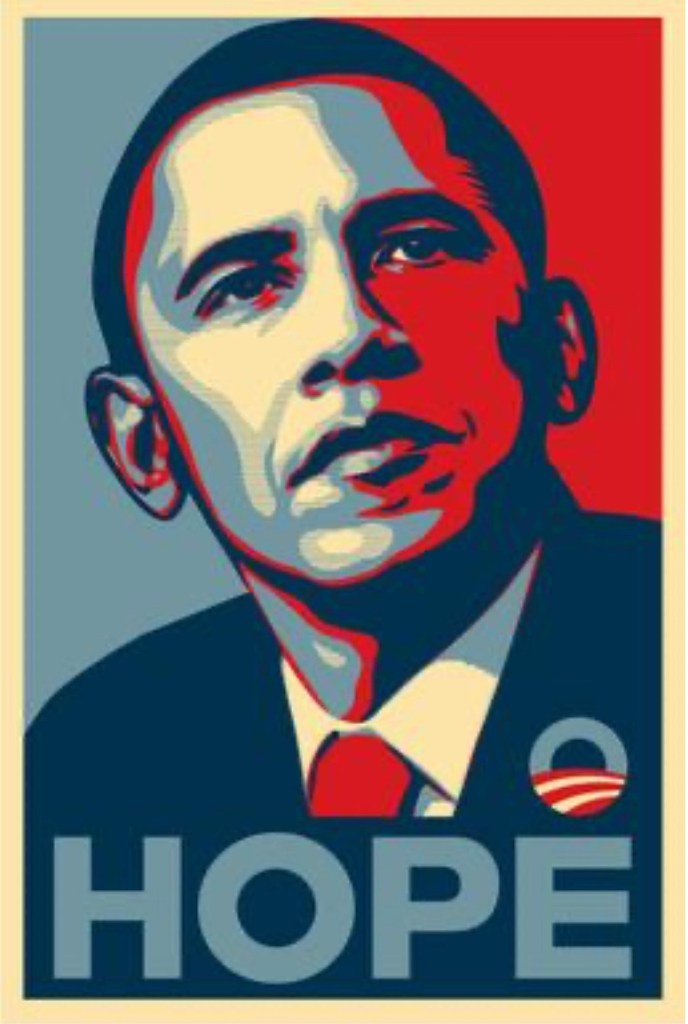
1. Shepard Fairey – Obey Giant / Obama “Hope” Poster (2008)
- Symbolized the merging of street art and political optimism.
- The “HOPE” poster became one of the most iconic American images of the 2000s.
2. Kara Walker
- Known for her silhouette installations exploring race, history, and trauma.
- Gained major institutional recognition during the decade.
3. 9/11-Inspired Memorial Art
- A massive wave of memorial and conceptual art followed the attacks.
- The Tribute in Light installation in NYC became an annual symbol of remembrance.
4. Digital & Video Art
- Artists began using photoshop, video loops, GIFs, early internet tools.
- Rise of Net Art and online exhibitions.
- YouTube’s launch in 2005 changed how performance and art reached audiences.
Language & Writing
Key Literary Trends:
1. Trauma & Memory in Post-9/11 Literature
2. Rise of Memoir & Personal Narrative
- Memoir dominated bestseller lists.
- Examples:
- A Million Little Pieces by James Frey (scandalous fake memoir, 2003)
- Eat, Pray, Love by Elizabeth Gilbert (2006)
3. YA Literature Explosion
- Harry Potter was global, but American YA surged:
- Twilight series (2005–2008) by Stephenie Meyer
- The Hunger Games (2008–2010) by Suzanne Collins
4. Blogging & Internet Writing
- The birth of the personal blog, fanfiction communities (like FanFiction.net and LiveJournal), and Tumblr-style microblogs by 2007–2009.
- Language became more informal, meme-based, and visually driven.
- Start of text-speak culture: LOL, BRB, TTYL, etc.
Language Shifts:
- New slang emerged:
- “Emo,” “bling,” “crunk,” “my bad,” “fail,” “meh”
- Rise of internet-born phrases that crossed into spoken culture:
- “Pwned,” “noob,” “AFK,” “ROFL”
- Emo lyrics, blogs, and forum culture began influencing poetic tone in writing and song lyrics.
Major U.S. Events
1. The Dot-Com Bubble Burst (2000–2002)
- The 1990s saw a boom in internet-based companies (“dot-coms”), with soaring stock prices despite little to no profits.
- In early 2000, the NASDAQ crashed, wiping out $5 trillion in market value by 2002.
- Companies like Pets.com collapsed almost overnight.
2. Bush v. Gore & The 2000 Presidential Election
- A deadlocked and controversial election, ultimately decided by the Supreme Court.
- Florida recount was halted; George W. Bush became president despite losing the popular vote.
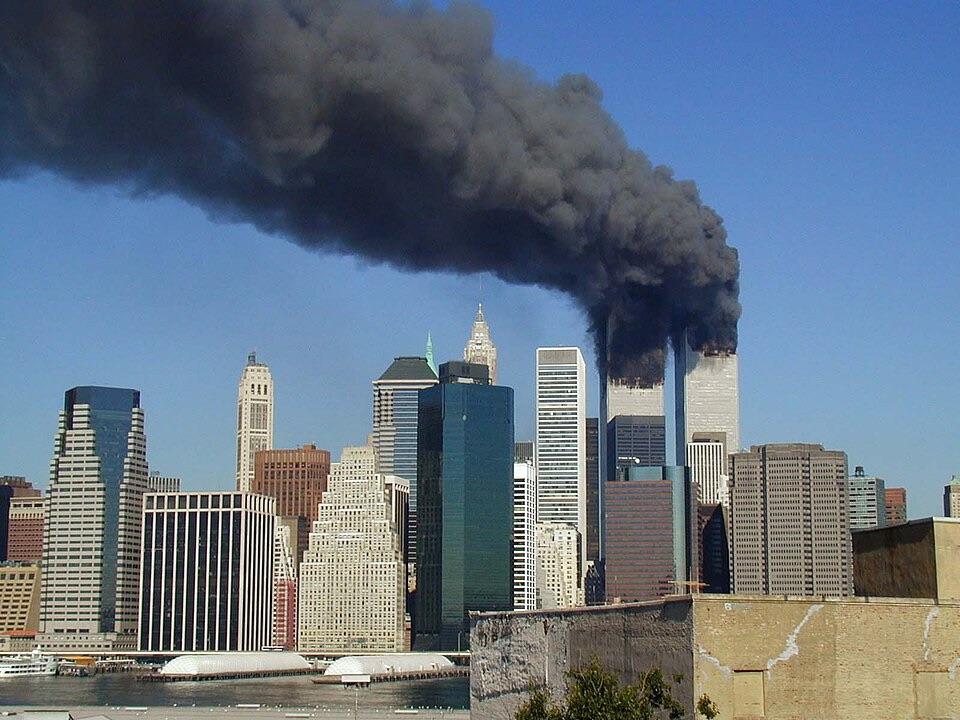
Flickr user Michael Foran
3. September 11, 2001 (9/11 Attacks)
- Four planes were hijacked by terrorists; two struck the World Trade Center towers in NYC, one hit the Pentagon, and one crashed in Pennsylvania. Nearly 3,000 Americans died.
- Marked the beginning of the War on Terror, Department of Homeland Security, and TSA airport screenings.
- Changed how Americans viewed safety, war, and the Middle East.
4. War in Afghanistan (2001) & Iraq (2003)
- Longest war in U.S. history began after 9/11.
- Operation Enduring Freedom began in 2001, targeting the Taliban in Afghanistan.
- Iraq invasion launched in 2003 on claims of weapons of mass destruction (never found).
5. Hurricane Katrina (2005)
- Category 5 storm that devastated New Orleans and the Gulf Coast.
- One of the deadliest natural disasters in U.S. history.
- Over 1,800 deaths, mostly in Louisiana and Mississippi, and hundreds of thousands were displaced.
- New Orleans’ levee system failed, revealing deep inequalities.
- FEMA’s slow response led to public outrage and government accountability reform.
8. Historic Election of Barack Obama (2008)
- First Black President of the United States.
6. Rise of Tech Giants & Consumer Technology
- Google became a verb. (IPO in 2004)
- Apple launched the iPod (2001) and then the iPhone (2007), redefining music, phones, and portable tech.
- Facebook (2004), YouTube (2005), and Twitter (2006) emerged, changing communication, media, and marketing.
- iTunes Store (2003) revolutionized music consumption.
- Wikipedia launched in 2001 and quickly became the default reference for everything.
- Nintendo Wii (2006) revolutionized gaming with motion controls.
7. The Great Recession (2008–2009)
- Triggered by the collapse of the housing market and subprime mortgage lending.
- Major financial institutions like Lehman Brothers failed.
- Unemployment soared, millions lost homes.
- TARP bailout passed to stabilize the banking system.
8. Human Genome Project Completed (2003)
- After 13 years of work, scientists mapped the entire human genome.
- Major breakthrough in biology and medicine, paving the way for personalized medicine and genetic research.
9. Medical & Scientific Advances
- Stem cell research became a cultural and political flashpoint.
- (approved in 2006) became a breakthrough in cancer prevention.
- Cloning (of animals like Dolly) and genetic engineering were hot-button issues.
10. Rise of Reality TV & New Celebrities
- Survivor premiered in 2000 and sparked an avalanche of reality shows.
- Others included American Idol, The Bachelor, Big Brother, The Simple Life, Laguna Beach, and The Hills.
- Celebrities like Paris Hilton, Kim Kardashian, and Snooki rose to fame via reality TV, marking the shift from traditional fame to media-born celebrity.
11. Social Media & Digital Culture Boom
- Broadband internet replaced dial-up in homes.
- MySpace (2003–2008) dominated youth internet culture.
- Facebook launched in 2004 (Harvard), expanding to everyone by 2006.
- AIM and MSN Messenger were core to teen life.
- YouTube (2005) turned average users into content creators and stars.
12. Cultural and Social Milestones
- Massachusetts legalized same-sex marriage in 2004, first U.S. state to do so.
- Virginia Tech Shooting (2007) became the deadliest school shooting at the time.
- Wardrobe malfunction at the 2004 Super Bowl (Janet Jackson/Justin Timberlake) led to increased FCC censorship and public debate over decency.
13. Pop Culture Phenomena & Icons
- Spider-Man (2002) and The Dark Knight (2008) revived superhero movies.
- Michael Jackson’s death in 2009 shocked the world.
- Music icons included Beyoncé, Eminem, Linkin Park, Kanye West, OutKast, Green Day, Britney Spears.
- Sports: Michael Phelps, Tiger Woods, Serena Williams, Tom Brady
- High School Musical (2006) defined tween pop culture.
14. Space & Science Highlights
- Space Shuttle Columbia disaster (2003) killed all 7 astronauts during reentry.
- Mars rovers Spirit and Opportunity launched in 2003, lasted years beyond their expected life.
Emerging Music Genres
These genres either emerged or exploded in popularity
1. Crunk / Southern Hip-Hop
Artists: Lil Jon, Ying Yang Twins, Three 6 Mafia
- Aggressive, club-friendly beats with chant-style vocals
- Used 808 drums, synth stabs, and shouted refrains
- Led directly into trap music by late 2000s
2. Electropop / Bloghouse
Artists: Owl City, Hellogoodbye, Chromeo, early Kesha
- Synth-driven pop with quirky, upbeat lyrics
- Made largely on laptops with GarageBand and soft synths
- Blog culture (Hype Machine, MySpace) helped it spread
3. Emo Pop / Screamo
Artists: My Chemical Romance, Fall Out Boy, Paramore
- Mix of punk, pop, and emotional lyrics
- Electric guitar + anthemic choruses + Hot Topic aesthetics
- Tied to MySpace culture and suburban teen angst
4. EDM & Electro House (Early Stages)
Artists: Deadmau5, Kaskade (US), Bassnectar
- Early wave of laptop-made house music
- Clubs and festivals embraced DJs as performers
- Loops, MIDI triggers, and synths over traditional structure
5. Indie Folk & Acoustic Revival
Artists: Iron & Wine, Bon Iver, Sufjan Stevens
- Lo-fi, emotional, guitar- and piano-based music
- Often recorded at home using minimal gear
- A gentle rebellion against overproduced pop
6. Mashup & Remix Culture
Artists: Girl Talk, The Hood Internet
- Created entirely from sampled pop, rap, and rock songs
- Fueled by MP3 blogs and illegal downloads
- Reflected the remixable, copy-paste aesthetic of internet culture
Entertainment
2000s American Music Playlist
Pop Royalty & Teen Icons
- Britney Spears – “Toxic” (2003)
- Christina Aguilera – “Beautiful” (2002)
- Hilary Duff – “Come Clean” (2004)
- Miley Cyrus (as Hannah Montana) – “Best of Both Worlds” (2006)
- Jesse McCartney – “Beautiful Soul” (2004)
Pop Punk, Emo, & Alt-Rock
- Green Day – “Boulevard of Broken Dreams” (2004)
- Linkin Park – “In the End” (2000)
- Fall Out Boy – “Sugar, We’re Goin Down” (2005)
- Paramore – “Misery Business” (2007)
- Panic! At The Disco – “I Write Sins Not Tragedies” (2005)
- Good Charlotte – “The Anthem” (2002)
- Linkin Park – “Numb” (2003) (Too iconic not to double up!)
R&B & Soul Vibes
- Alicia Keys – “Fallin’” (2001)
- Usher – “U Got It Bad” (2001)
- Beyoncé – “Irreplaceable” (2006)
- Mario – “Let Me Love You” (2004)
- Ne-Yo – “So Sick” (2006)
Hip-Hop & Rap Essentials
- Eminem – “Lose Yourself” (2002)
- Kanye West – “Gold Digger” (feat. Jamie Foxx) (2005)
- Ludacris – “Stand Up” (2003)
- Nelly – “Hot in Herre” (2002)
- Missy Elliott – “Work It” (2002)
Rock & Indie Revival
- The Killers – “Mr. Brightside” (2004)
- The White Stripes – “Seven Nation Army” (2003)
- Kings of Leon – “Use Somebody” (2008)
- Death Cab for Cutie – “I Will Follow You into the Dark” (2005)
- Modest Mouse – “Float On” (2004)
Dance Floor & Party Starters
- Black Eyed Peas – “Let’s Get It Started” (2003)
- OutKast – “Hey Ya!” (2003)
- Ciara (feat. Missy Elliott) – “1, 2 Step” (2004)
- LMFAO – “I’m in Miami Trick” (2009)
- Pitbull – “Culo” (2004)
Country Crossover Hits
- Carrie Underwood – “Before He Cheats” (2006)
- Taylor Swift – “Teardrops on My Guitar” (2007)
- Rascal Flatts – “Life Is a Highway” (2006, Cars Soundtrack)
- Keith Urban – “Somebody Like You” (2002)
Bonus: 2000s Culture Capsule Favorites
- Jonas Brothers – “S.O.S” (2007)
- Ashlee Simpson – “Pieces of Me” (2004)
- Plain White T’s – “Hey There Delilah” (2006)
- Kelly Clarkson – “Since U Been Gone” (2004)
- Destiny’s Child – “Survivor” (2001)
Movies
1. The Social Network (2010)
(Depicts 2003–2008)
- Why it’s iconic: Chronicles the creation of Facebook during the heart of the 2000s
- Features dorm room coding, early Harvard elitism, Napster drama, and “The Facebook” as a status symbol
- Reflects the shift in social life from in-person to digital
2. Juno (2007)
- Why it’s iconic: A deeply 2000s indie take on teenage pregnancy and suburban life
- Hamburger phones, orange Tic Tacs, indie music, and snarky dialogue
- Captures post-Y2K attitudes: detached but still heartfelt
3. Little Miss Sunshine (2006)
- Why it’s iconic: A dysfunctional American family’s road trip through 2000s suburban sprawl and burnout
- Reflects broken dreams, prescription drugs, beauty pageants, and broken-down VW vans
- A portrait of mid-2000s middle-class life on the brink
4. Garden State (2004)
- Why it’s iconic: Post-college, post-9/11 millennial drift, set in suburban New Jersey
- Pill bottles, uncomfortable homecomings, and a Gen-X/early-millennial transition moment
- Includes a now-iconic Shins soundtrack and awkward pool parties
5. The 40-Year-Old Virgin (2005)
- Why it’s iconic: Big-box store culture, early 2000s dating, DVD collections, and nerdy masculinity
- Reflects office dynamics, bromance beginnings, and adult arrested development of the decade
TV Shows
6. The Office (US) (2005–2013)
- Why it’s iconic: Captures the everyday awkwardness of mid-2000s American office life
- Beige cubicles, Dunder Mifflin swag, Blackberrys, fax machines, email forwards
- A love letter and cringe-filled critique of corporate monotony
7. Gilmore Girls (2000–2007)
- Why it’s iconic: Small-town life, mother-daughter dynamics, early cell phones, and tons of pop culture
- Weekly dinners, Yale drama, and the rise of the fast-talking, over-caffeinated woman as a cultural force
8. Friday Night Lights (2006–2011)
- Why it’s iconic: Texas high school football and family life in post-9/11 small-town America
- God, grit, and growing up, amid cheerleaders, Cracker Barrel signs, and teen drinking
- “Clear eyes, full hearts, can’t lose” became a 2000s mantra
9. Weeds (2005–2012)
- Why it’s iconic: Satirical lens on suburban American consumerism, drug culture, and single motherhood
- SUV culture, Starbucks, housing bubbles, and the collapse of the cookie-cutter American Dream
10. Mad Men (2007–2015) (Set in the 1960s, but obsessed over in the 2000s)
- While not about the 2000s, it captured the decade’s cultural identity crisis—the obsession with aesthetic, nostalgia, branding, and what authenticity means in a digital age
Books
11. Then We Came to the End by Joshua Ferris (2007)
- Why it’s iconic: A novel told in the first-person plural (“we”), set in a Chicago ad agency during the dot-com bust
- Captures office culture, layoffs, passive-aggressive memos, coffee breaks, and the collapse of early optimism
12. The Brief Wondrous Life of Oscar Wao by Junot Díaz (2007)
- Why it’s iconic: A blend of Dominican-American identity, 2000s nerd culture, and post-immigrant millennial angst
- Sci-fi, fantasy references, and crushing realism—Oscar lives in a Jersey suburb, struggling to connect through pop culture
13. I Am Charlotte Simmons by Tom Wolfe (2004)
- Why it’s iconic: Set at a fictional elite university, it explores hookup culture, frat life, social media beginnings
- Tackles how the 2000s changed college culture—more brand-conscious, connected, but emotionally detached
14. On Beauty by Zadie Smith (2005)
- Why it’s iconic: Set in a fictional New England college town, it explores race, class, academia, and family in post-9/11 America
- Reflects early-2000s campus culture and social tensions
Defining Cultural Themes of 2000–2009 (That These Works Reflect)
- Post-9/11 American anxiety and homeland security culture
- The rise of reality TV (reflected in background media and parodies)
- The “Lost Generation” of millennials entering adulthood
- Early digital culture (flip phones, MySpace, AIM, BlackBerry, Napster)
- Suburban isolation, mall culture, and McMansions
- Corporate culture & identity burnout
- Economic shifts, including the 2008 crash looming
- Culture clash between analog and digital living
Kids/Family entertainment
MOVIES
1. Aquamarine (2006)
- Genre: Family/Coming-of-Age
- Why it fits: Set in coastal Florida, this film captures early-2000s teen fashion, mall culture, flip phones, and sleepover bestie energy. Very much “middle school girl in 2006.”
2. Akeelah and the Bee (2006)
- Genre: Family/Drama
- Why it fits: A heartfelt look at a young girl in South Los Angeles navigating school, family, and spelling bees. Captures American public school culture and challenges during the mid-2000s.
3. Cheaper by the Dozen (2003)
- Genre: Comedy/Family
- Why it fits: Set in modern-day suburban America, this movie shows the chaos of a large family, with early-2000s fashion, tech, and family routines (landlines, Game Boys, camcorders, etc.).
TV SHOWS
4. Lizzie McGuire (2001–2004)
- Why it fits: This Disney Channel staple defined early-2000s American middle school life. From butterfly clips to dial-up computers, it’s a full time capsule. Set in suburban California, with real-world issues like puberty, friendships, and embarrassing moments.
5. Even Stevens (2000–2003)
- Why it fits: A family sitcom centered on a quirky brother-sister dynamic in suburban America. The show captures the feel of early-2000s school life, home computers, and mall outings, with plenty of cringe-core charm.
BOOKS
6. Diary of a Wimpy Kid (2007) by Jeff Kinney
- Why it fits: Set in a very average American middle school and home environment, it reflects the lives of kids in the mid-2000s, flip phones, hallway drama, cheesy class plays, and those beige-tiled school hallways. Both the setting and humor are deeply rooted in that era.
7. Because of Winn-Dixie (2000) by Kate DiCamillo
- Why it fits: Set in small-town Florida, this book isn’t about pop culture, but it captures a slice of life in early-2000s America through a child’s eyes, family challenges, new friendships, and a very grounded local community.
“Y2K Family Food Court” – 2000s Classic Edition
Step into a world of landlines, TRL, and DVD menus with this all-day meal plan straight from the year 2000—no air fryers, no Instacart, just the glorious simplicity of freezer aisles and microwave magic.
Breakfast: Saturday Morning Cartoon Fuel
Main:
- Toaster waffles (like Eggo), popped up golden and slathered in butter and maple syrup
- Jimmy Dean sausage links, microwaved or skillet-fried until sizzling
Beverage:
- A cold glass of SunnyD, because it’s not orange juice—it’s better
Lunch: Fast Food at Home
Main:
- Crispy chicken tenders served with squeeze-packet style BBQ and honey mustard
- Corn niblets with butter, straight from a can or microwave bag
- Cheese fries made from frozen crinkle-cuts with melted cheese
Dinner: Friday Night Family Feast
Appetizer:
- Mozzarella sticks with warm marinara sauce (oven-baked or deep-fried perfection)
Main Course:
- Stuffed crust pepperoni pizza (frozen or delivery, no shame)
- Caesar salad with bottled dressing and those signature crunchy croutons
Drinks:
- Adults: Pop open a Zima or Mike’s Hard Lemonade
- Kids: Ice-cold milk, still the official pairing for pizza
Dessert:
- Funfetti Cupcakes with matching Funfetti frosting
“Retro Reboot” – Modern Twist on a 2000s Classic
Think of this version like a reboot of your favorite Y2K sitcom: same characters, better lighting, and now it’s organic, air-fried, or Instagrammable. Here’s the modernized version of your nostalgic day, using today’s tools and culinary upgrades.
Breakfast: Elevated 2000s Brunch Vibes
Main:
- Whole grain waffles topped with grass-fed butter and organic maple syrup
- Chicken-apple sausage links (pan-seared or air fried)
Beverage:
- A glass of fresh-pressed orange juice or a SunnyD-inspired mimosa for adults
Lunch: Air Fryer Throwback Plate
Main:
- Air-fried chicken tenders (organic or plant-based if you like) with homemade BBQ and local honey mustard dipping sauces
- Roasted sweet corn with herbed ghee and sea salt
- Gourmet cheese fries: Hand-cut fries, real cheddar, oven-melted, with a sriracha ranch drizzle
Dinner: Retro Comfort, Artisan Style
Appetizer:
- Panko-crusted mozzarella sticks, air-fried and dipped in small-batch roasted garlic marinara
Main Course:
- Artisan stuffed crust pizza with uncured pepperoni, roasted tomato sauce, and mozzarella on sourdough crust
- Kale Caesar salad with shaved Parmesan, homemade dressing, and garlic sourdough croutons
Drinks:
- Adults: Craft hard lemonade, a spiked seltzer, or a Zima dupe made with vodka and citrus soda
- Kids: Oat milk or a chocolate almond milk box
Dessert:
- A vanilla bean cupcake speckled with shimmering confetti pearls is crowned with whipped mascarpone frosting
 Time Traveling Table
Leave a comment