
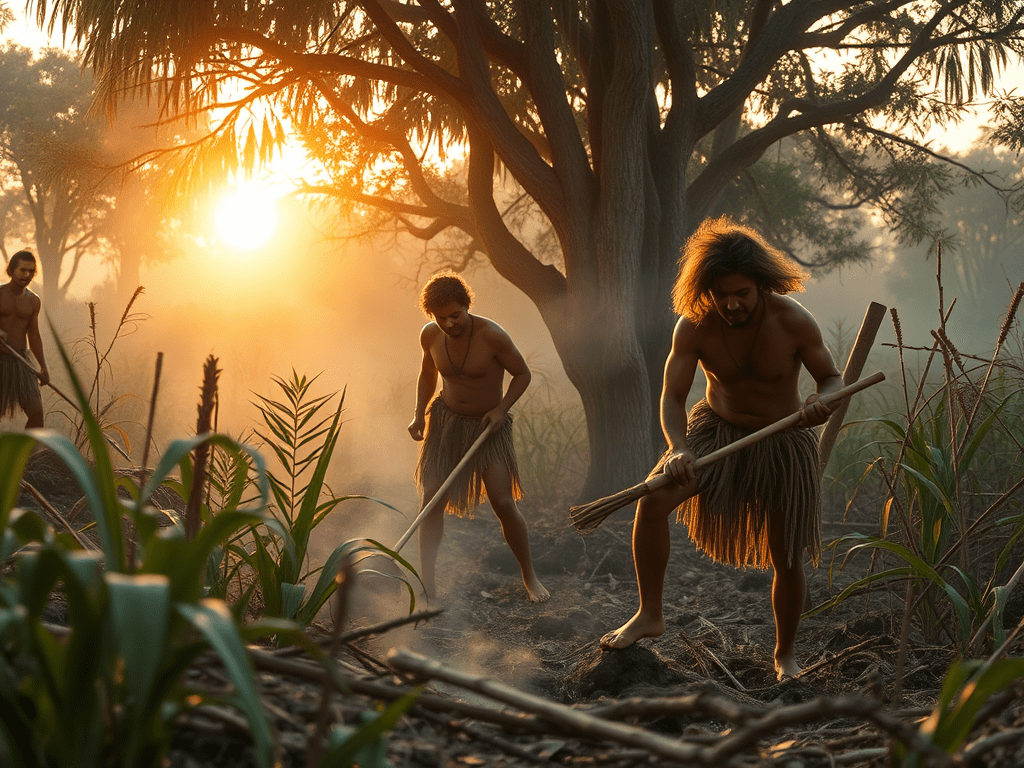
Step into a different time. In this post, we explore what daily life really looked like in 7000 BC Mexico, a world before cities, before written records, but full of ingenuity and rhythm. From the moment families woke with the sun, to the meals gathered, roasted, and shared around the fire, each day was shaped by survival, community, and tradition. Forget kitchens with stoves and cupboards; food came straight from the land, tools were carved by hand, and even rest followed the cycles of nature. Together, we’ll uncover what life actually looked like for the earliest ancestors of Mesoamerica.
Just so we’re all on the same page. Please ensure you’ve made yourself acquainted with my disclaimer. Most of what we know about 7000 BC Mexico comes from archaeology, things like house foundations, food remains, and burials, plus comparisons to modern or historically documented hunter-gatherers and early farmers. That’s the standard toolkit for reconstructing the past. But here’s the catch: it means what you’ll read here are educated reconstructions, not step-by-step blueprints. There wasn’t one single “Mesoamerican social system” back then. Different regions, landscapes, and traditions meant that life looked a little different depending on where you were.
Home Life
A time when “open floor concept” wasn’t a design trend, it was just… life.
The Typical House (Spoiler: No Bedrooms, No Bathrooms)
Back then, architecture was deeply tied to nomadic or semi-sedentary lifestyles, since agriculture was just starting (early domestication of teosinte into maize and some squash).
- Structure: Most houses were oval or circular huts, often made with branches, reeds, and thatched roofs (think palm leaves or grasses).
- Square footage: About 10–15 m² (roughly 100–160 ft²), so smaller than a modern bedroom, but perfect for a small family to huddle up.
Sleep Schedule & Beds
Forget your 8-hour uninterrupted sleep ideal. People followed the natural circadian rhythm, meaning:
- Sleep pattern: Likely biphasic, a long main sleep after dark and a shorter rest period before sunrise, especially in winter.
- Bed setup:
- No fancy mattresses. People used woven mats (petates) on the ground, sometimes layered with animal hides for warmth.
- Sleeping positions were communal, everyone close to the hearth (if they had one) for heat and safety.
- Naps?
- Yes, siestas were basically a survival mechanism. Heat in midday meant a natural slowdown. They’d rest in shaded areas.
Major Tools & Household Innovations Since 9000 BC
Between 9000 and 7000 BC, Mexico saw some big shifts:
- Early basketry: Storage for seeds, tubers, and gathered foods.
- Fire pits inside shelters: Better warmth and cooking indoors.
- Domestication elements: Small gardens near camps, so early “home agriculture” starts appearing.
Fashion & Beauty Standards
Imagine barefoot marathon runners with amazing posture, long shiny hair tied back with agave fiber, wearing animal hide wraps and seed-bead necklaces, smelling faintly of herbs and smoke. Beauty wasn’t about contouring or skinny jeans, it was about health, strength, and connection to nature.
Clothing & Accessories
At this point, we’re in the Archaic Period, where most groups were semi-nomadic foragers transitioning toward horticulture. Fashion week hadn’t started yet, but practicality and resourcefulness were everything.
- Materials:
- Animal hides and furs: Deer, rabbit, and small mammals were common. Tanned with plant ash or animal brains to soften them.
- Why Animal Brains?
Brains contain lecithin and natural emulsified oils, which are excellent for softening and preserving hides. These oils penetrate the fibers of the skin, making it pliable instead of stiff like rawhide. After cleaning the hide, people would rub in a slurry made from the animal’s own brain (or another animal’s), then work it into the fibers. Once saturated, they’d stretch and smoke the hide to lock in flexibility and add waterproofing. - Why Plant Ash?
Wood ash in water creates a mild alkaline solution (similar to lye).
This helped loosen hair and flesh from the hide during the dehairing process, making scraping easier. In later steps, ash could help neutralize oils or condition the hide before softening. - The Process Looked Like This (Simplified):
Scrape the hide clean: Remove flesh and fat with a stone scraper.
Ash soak: Soften and loosen hair.
Rinse thoroughly: Because ash residue can damage the skin fibers if left too long.
Apply brain mixture: Massage into hide for hours.
Stretch and dry: Often over a wooden frame or by hand tension.
Smoke: For preservation, insect resistance, and weatherproofing.
- Why Animal Brains?
- Plant fibers: Agave fibers, yucca, and early bast fibers were twisted into cordage and basic textiles.
- Feathers: Sometimes used decoratively for status or ritual.
- Animal hides and furs: Deer, rabbit, and small mammals were common. Tanned with plant ash or animal brains to soften them.
- Silhouettes:
- Simple wraps, loincloths (maxtlatl in later terms), capes made from hide or woven fibers.
- No tailored garments, think draped, tied, or wrapped clothing.
- Fastenings:
- Knots. Literally knots. No buttons yet, no metal pins.
- Fiber cords or leather thongs served as ties.
Accessories & Adornment
Even with minimal clothing, personal adornment mattered because it signaled identity, status, and possibly spiritual protection.
- Piercings: Lip, nose, and ear piercing traditions trace back thousands of years, so early forms likely existed. Materials: bone, shell, or stone plugs.
- Necklaces & bracelets: Made from seeds, shells, bones, and early beads from carved stone.
- Tattoos & body paint:
- Evidence from later periods suggests early roots here: natural pigments (charcoal, ochre, hematite) for ritual or social display.
- Could also serve protective or symbolic roles (think fertility, hunting success).
Physical Appearance
- Height & build:
- Average
- Men: ~1.60 m (5’3”)
- Women: ~1.48 m (4’10”).
- Lean and muscular from constant movement and physical labor, low body fat, high endurance.
- Average
- Facial & body hair:
- Mesoamericans tend to have minimal facial/body hair genetically, so most men were nearly clean-shaven without trying.
- Hair on head:
- Straight, dark, thick. Long hair was common for both genders, sometimes tied with plant fibers or simple bands.
- Could be worn loose, braided, or tied back for work.
- Grooming:
- Hair washing likely with water and fibrous plants like yucca (natural saponins), foamy effect, legit nature’s shampoo.
Hygiene & “Cosmetics”
- Cleaning:
- Bathing in rivers or streams daily if possible.
- Ash mixed with water or crushed yucca roots as a mild cleanser.
- Sand or ground herbs could be used as scrub.
- Deodorizing:
- No chemical deodorant, but aromatic herbs (like crushed sage relatives) could rubbed on the body.
- Cosmetics:
- Pigments from red ochre, charcoal, and white clay used for face paint or ceremonial markings, beauty, identity, and ritual blended.
Diet & Daily Meals
Food in 7000 BC Mexico wasn’t just nutrition; it was survival strategy, identity, and even spiritual practice.
Okay before we get going, we need to chat about teosinte. This wild Mexican grass altered the course of all of the Americas, and against all odds, became one of the world’s most important crops.
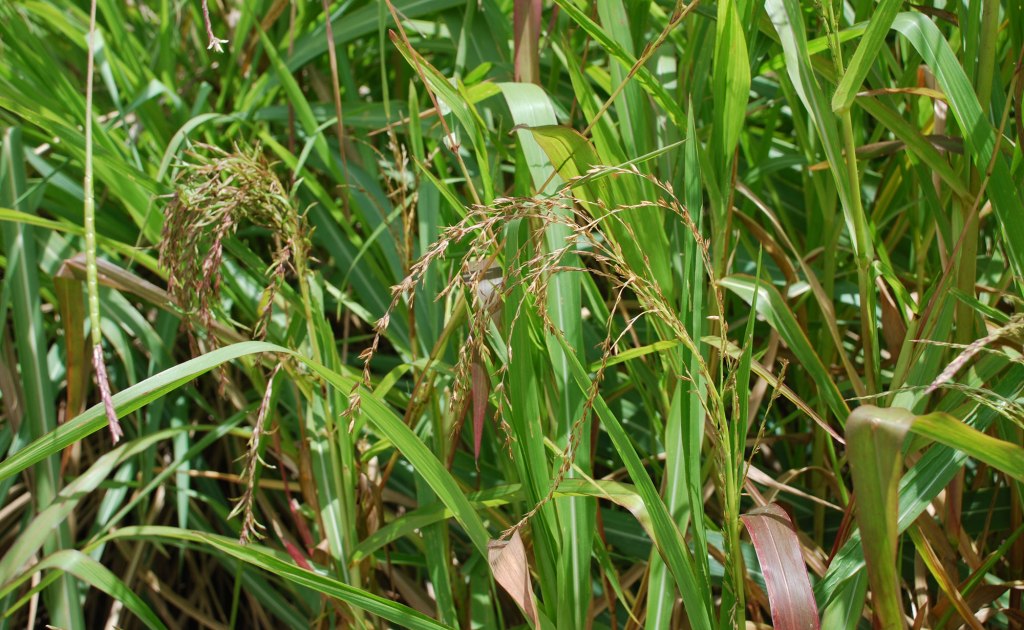
Teosinte → Corn: how a scrappy wild grass became Mexico’s staple
Short version first: teosinte is the wild grass from which modern maize (corn) was slowly created. This wasn’t a single “Eureka!” moment, it was a long, thousands-of-years experiment by people who saved and replanted the seeds that behaved differently. Over time, those small choices gave us the tall, fat-kerneled corn we know today.
What is teosinte?
Teosinte is a group of wild grasses (genus Zea) that look nothing like the corn in your pantry. The plants are more bushy, the ears are tiny, and each kernel is wrapped in a hard, rock-like casing. Some communities in Mexico chewed the stalks for their sweet juices but the kernels of wild teosinte were not an easy staple, the kernals had a hard outer casing, and kernels didn’t sit in big rows on an ear, making them harder to collect.
The long domestication story (quick timeline)
- Where: Genetic and archaeological evidence points to the Balsas River region (modern Guerrero/Michoacán area) as the main cradle for maize domestication.
- When: People started managing teosinte roughly 9,000 years ago. That doesn’t mean full-blown corn fields then, it means selective tending and saving of plants with useful traits. The full transformation unfolded over millennia.
How did teosinte become corn?
Domestication is basically directional, human-driven evolution. Ancient gardeners noticed rare teosinte plants that had softer seed casings, more kernels, or kernels that stayed on the plant. They saved those seeds and planted them. Do this for generations and the population shifts.
Two big biological changes were crucial:
- Loss of the tough fruitcase. Wild teosinte’s kernels are encased in a hard shell. Mutations that reduced or removed that casing made the grain edible and easier to process and eat.
- Changes in plant architecture. Early teosinte had lots of branches and many small ears. Domesticated maize evolved to concentrate energy into fewer, larger ears with many kernels, which was also much more efficient for human harvest.
On the genetic side, scientists have identified genes that played major roles:
- tb1 (teosinte branched1) affects how much the plant branches, mutations here favored a single stalk with big ears rather than a bushy plant.
- tga1 is associated with the softer, exposed kernel (the loss of that stone-like fruitcase).
These are shorthand examples: domestication involved many genes, each nudging the plant a bit closer to what humans found useful.
Why people started with teosinte even though it seemed an odd choice
Teosinte’s grain alone wasn’t an obvious superfood at first, it gave few calories per plant and the kernels were hard to eat. So why bother? A few plausible reasons:
- People may have chewed stalks for sweet juices or eaten young shoots and seedlike bits as seasonal supplements.
- Some researchers believe the earliest kernels were popped to make them edible.
- Most importantly, horticultural practices (tending, weeding, replanting) gave people control over small patches of useful plants. Over time, even a “minor” crop becomes more central when it’s reliable and storable.
Why this matters (beyond botany)
Turning teosinte into maize rewired societies. Reliable, storable calories encourage bigger communities, craft specialization, and long-term landscape management. Maize didn’t just feed people, it helped make villages, trade networks, ritual life, and eventually complex civilizations across the Americas.
Quick cultural aside
The domestication of maize was local and gradual. It wasn’t a single “inventor.” It was generations of people, gardeners, foragers, teachers, doing small, low-glamour decisions: saving seed from the best plants, moving seeds between valleys, and testing what grew where. That patient tinkering changed the world.
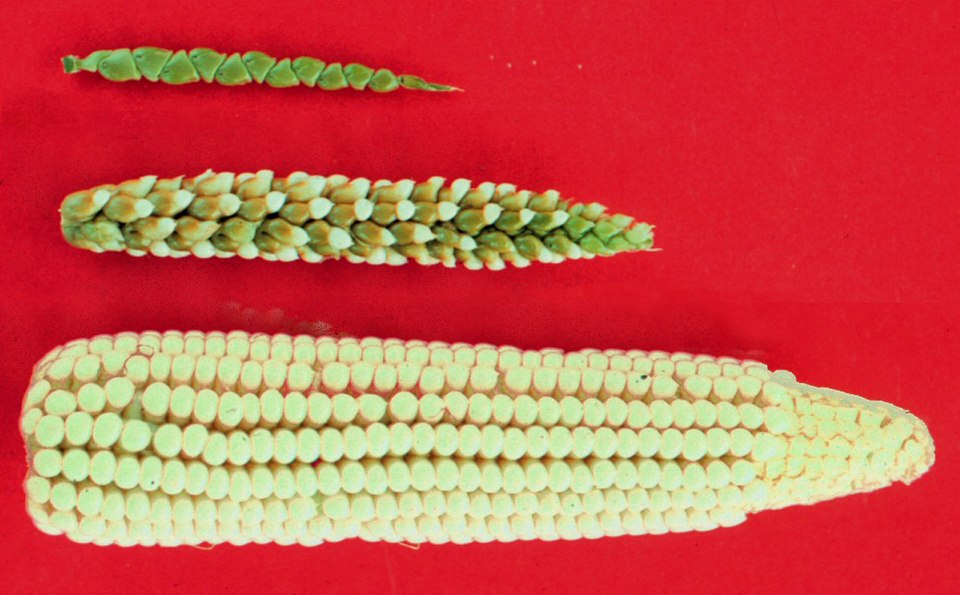
Doebley, J. (n.d.). Teosinte, maize–teosinte hybrid, maize. Teosinte and the Domestication of Maize. Wikimedia Commons. https://commons.wikimedia.org/wiki/File:Maize-teosinte.jpg
Staple Foods (What They Actually Ate)
We’re in the Archaic period (between nomadic and agricultural), so diet was 80% wild resources, 20% early domesticates.
Here’s the core menu:
Plant-Based Staples
- Wild tubers & roots (similar to jicama relatives, arrowroot), mostly roasted or boiled, some eaten raw.
- Seeds & nuts: Amaranth seeds, chia seeds, sunflower seeds, mesquite beans.
- Early domesticated crops:
- Teosinte (proto-maize, tiny kernels), still not corn-on-the-cob but ground into a mush or popped.
- Squash & gourds (the earliest fully domesticated crop).
- Fruits: Wild plums, prickly pear cactus fruit (tunas), agave hearts.
- Greens: Wild herbs, quelites (edible greens).
Animal-Based Staples
- Game: Deer, rabbits, peccary, wild turkeys.
- Smaller animals: Rodents, reptiles (lizards, snakes), birds.
- Fish & shellfish: In coastal or lake zones—fish, mollusks, turtles.
- Insects: Grasshoppers, ant larvae (escamoles), caterpillars, huge protein source.
Drinks
- Water, usually from rivers or natural springs.
- Agua infusion vibe: They might steep herbs (like epazote or mint relatives) in water, but nothing like tea culture yet.
How Much Time Did They Spend Getting Food?
Food gathering = the center of life. Here’s the time breakdown:
- Hunting:
- Men often spent several hours to multiple days tracking large game.
- Daily smaller game hunts were 2–4 hours.
- Foraging:
- Women and children gathered plants, roots, seeds daily or 4–6 hours on average.
- Processing food:
- Grinding seeds on metates = time-consuming. Women spent hours per day just prepping food.
- Early farming:
- Small plots near camps, required weeding, watering, but much less than later maize agriculture.
- Trading:
- Very localized, mostly exchanging obsidian, shells, or surplus seeds with nearby groups.
- Seasonal strategy:
- Diet shifted drastically depending on rainfall and migration patterns.
On average, half the waking day (6–8 hours) revolved around food: gathering, hunting, and preparing. Eating wasn’t a 15-minute thing; it was embedded in life.
Authentic 7000 BC Mexico Meal Plan
Morning Meal
- Gather wild plums from the grove. Eat fresh, unaltered, as the sun rises.
- Drink water from the spring, cool and pure, with a leaf of wild mint for breath.
Midday Sustenance
- Toast amaranth seeds on a flat stone over the fire. Grind them on the metate, mix with water into a dense ball.
- Chia seeds soaked in water. Think of this as prehistoric energy drink. Seeds + Water = Protein + Hydration
Sunset Feast
- Hunt the small deer, slice strips from its flank. Skewer on green sticks, roast over glowing coals until smoky and tender.
- Roast the squash halves, and toast the seeds
- Gather tender quelites, wilt them in the heat near the fire.
Sweetness of Night
- Crush wild berries with honey
Modern Twist Meal Plan
Same spirit, but with today’s conveniences
Breakfast
- Roasted Squash & Plum Bowl
- Oven-roasted acorn or kabocha squash slices, drizzled with a touch of honey, paired with fresh plums.
- Mint-Infused Water
- Filtered water with sprigs of fresh mint, lightly chilled.
Snack
- Amaranth Energy Bites
- Popped amaranth seeds mixed with a little water and honey, rolled into rustic snack balls.
- Chia Fresca
- Chia seeds soaked in cold water with a squeeze of lime.
Dinner
- Fire-Grilled Venison Strips
- Marinated in a splash of lime juice and olive oil, grilled over open flame or cast-iron pan until smoky.
- Sides:
- Roasted acorn squash wedges, brushed with ghee or olive oil.
- Sautéed amaranth greens (or spinach if subbing), lightly seasoned with a pinch of sea salt.
Dessert
- Berry & Honey Parfait
- Fresh berries layered in a small dish, drizzled with raw honey, served with a dollop of Greek yogurt (modern creamy addition).
Climate & Environment
How did geography and weather shape daily life? In 7000 BC Mexico, the land itself was the main stage on which every story unfolded. The climate wasn’t just background noise, it decided what people could eat, where they could build a shelter, and how often they had to move. From dry highland plateaus to humid tropical coasts, each region demanded different skills and rhythms of living. To understand their daily choices, whether planting early domestic crops, hunting small deer, or weaving mats for shade, you first have to step into their weather and landscape.
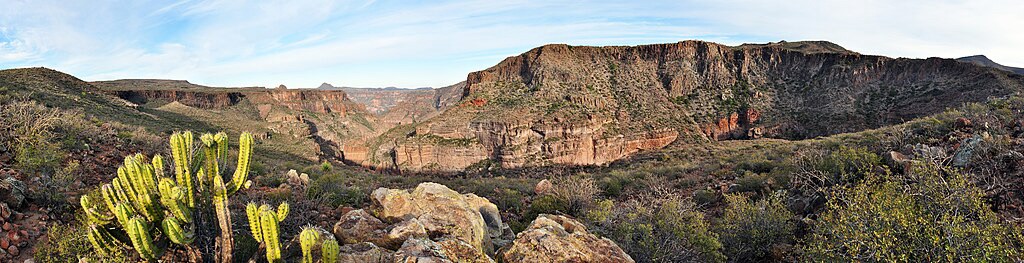
Photo: Gregg M. Erickson (Wikimedia user Farwestern), San Francisco de la Sierra Canyon, Baja, Mexico (270° panorama), Wikimedia Commons, CC BY 3.0.
1. Northern Mexico (Chihuahuan Desert & River Valleys)
- Temperature:
- Summer: 24–28 °C (75–82 °F)
- Winter: 10–15 °C (50–59 °F) (cold nights often near freezing)
- Humidity: 20–40%
- Climate Feel: Dry and sunny, big day/night temperature swings; summers are warm but not humid, winters crisp and often chilly at night.
- Landscape: Desert basins with rocky plateaus, scrublands, cactus groves.
- Vegetation: Mesquite, agave, prickly pear cactus, desert grasses.
- Water Sources: Seasonal rivers, small springs, occasional ponds in valleys.
2. Central Highlands (Valley of Mexico & Surrounding Plateaus)
- Temperature:
- Summer: 18–22 °C (64–72 °F)
- Winter: 10–15 °C (50–59 °F)
- Humidity: 40–60%
- Climate Feel: Mild year-round, cooler nights; wet season brings lush greenery, dry season golden grasses and open skies.
- Landscape: High-altitude basins with volcanic mountains and broad valleys.
- Vegetation: Grassy plains, scattered oaks, shrubs; volcanic soils encourage diverse wild plants.
- Water Sources: Lakes (Texcoco-type), marshes, small rivers, seasonal streams.
3. Southern Highlands (Valley of Oaxaca & Chiapas Highlands)
- Temperature:
- Summer: 20–25 °C (68–77 °F)
- Winter: 12–18 °C (54–64 °F)
- Humidity: 60–80%
- Climate Feel: Warm but not stifling, often misty mornings; lush in rainy season, crisp in dry months.
- Landscape: Mountain valleys, rolling hills, forested uplands.
- Vegetation: Pine-oak forests in highlands, tropical plants in lower valleys.
- Water Sources: Rivers, freshwater springs, seasonal streams.
4. Pacific Coast (Western Mexico: Nayarit, Jalisco)
- Temperature:
- Summer: 26–30 °C (79–86 °F)
- Winter: 18–22 °C (64–72 °F)
- Humidity: 60–80%
- Climate Feel: Warm and humid, with ocean breezes; rainy season brings intense greenery, dry season still warm but less lush.
- Landscape: Low coastal plains with mangroves and estuaries; gentle hills inland.
- Vegetation: Mangrove forests, palms, tropical shrubs.
- Water Sources: Rivers, estuaries, tidal pools, coastal lagoons.
5. Gulf Coast Lowlands
- Temperature:
- Summer: 24–28 °C (75–82 °F)
- Winter: 18–22 °C (64–72 °F)
- Humidity: 80–95%
- Climate Feel: Hot and very humid year-round; heavy rains in wet season, steamy and dense jungle feel.
- Landscape: Swampy lowlands, dense tropical forests, broad river floodplains.
- Vegetation: Tall tropical hardwoods, vines, palms, thick undergrowth.
- Water Sources: Rivers, wetlands, lagoons, marshes, heavy rainfall.
Population
Where were people living—and how many were there? Around 7000 BC in Mexico, people lived in small family groups near rivers, lakes, and resource-rich valleys, or moved seasonally between camps. Populations were tiny compared to later farming societies, more scattered bands than villages.
Estimated Population
- Total population of what is now Mexico: ~250,000–500,000 people (best scholarly estimate for Late Archaic period).
- Population distribution: Concentrated near water sources, fertile valleys, and coasts.
Top 5 Most Populated Areas (not cities, but settlement clusters):
1. Northern Mexico (Chihuahuan Desert & River Valleys)
- Population Estimate: 15,000–30,000
- Largest Known Settlement Type: Seasonal river-camp clusters along the Río Conchos and Río Grande tributaries.
- Importance: Supported hunter-gatherer groups with desert foraging (mesquite, cactus fruits) and hunting of deer/rabbits. These areas were survival hubs during dry months thanks to springs.
2. Central Highlands (Valley of Mexico & Surrounding Plateaus)
- Population Estimate: 40,000–60,000 (one of the most concentrated areas)
- Settlement: Small semi-sedentary villages near lakes (future Lake Texcoco area).
- Importance: Early experiments with plant domestication (teosinte → maize), abundant aquatic resources, bird hunting, and obsidian sources nearby.
3. Southern Highlands (Valley of Oaxaca & Chiapas Highlands)
- Population Estimate: 30,000–50,000
- Settlement: Upland valleys and river terraces with semi-permanent camps.
- Importance: Known archaeological zones like Guilá Naquitz Cave (Oaxaca), where early squash and beans were domesticated. Strategic trade corridors through mountains.
4. Pacific Coast (Nayarit, Jalisco Region)
- Population Estimate: 20,000–40,000
- Settlement: Coastal forager-hunter groups along estuaries and tidal lagoons.
- Importance: Rich in marine life and shellfish; likely early trade networks for shells and salt inland.
5. Gulf Coast Lowlands
- Population Estimate: 40,000–70,000 (densely populated due to rich biodiversity)
- Settlement: Villages near river floodplains and swampy forests.
- Importance: Early horticulture of roots and tropical plants, consistent fresh water, rich hunting zones.
Economy
In 7000 BC Mexico, there was no money or markets… survival itself was the economy.
Daily Hustle
People were mostly foragers with benefits, hunting small game, fishing, and foraging while starting to experiment with domesticating plants like squash and early maize. Cave sites like Guilá Naquitz in Oaxaca are the smoking gun (or, well, the charred gourd) for this early agricultural tinkering. Those early gardens meant more predictable food, and with predictability comes the ability to stash resources and trade.
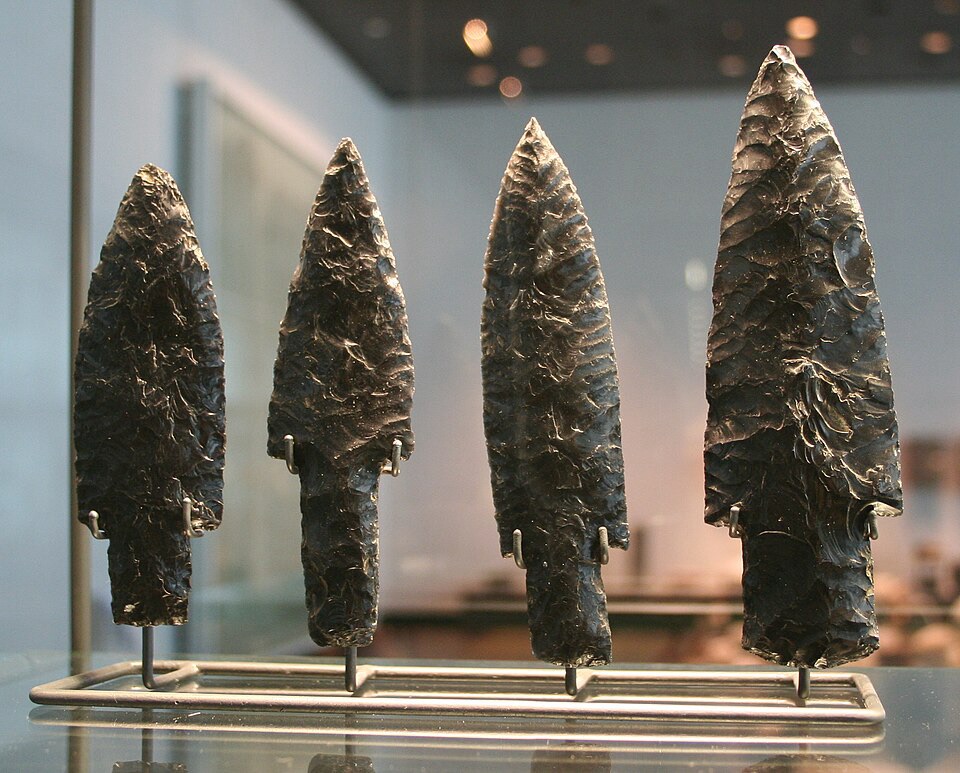
Obsidian blades, Mesoamerica. Photo by Anagoria, Wikimedia Commons, CC BY 3.0.
What About Money?
Nope, not in the sense of standardized currency. Value lived in things you could actually use or flex with. Items like obsidian blades (because you’re not cutting agave with a seashell) and marine shells (imported from coasts to inland sites as prestige bling) acted like proto-money. Archaeologists track obsidian and find these volcanic glass tools moving along established exchange corridors. Marine shells tell a similar story, they pop up far from beaches in burials and caches.
Beyond shiny things, dried seeds and tubers were high-value because they kept you alive and stored well. If your neighbor had extra dried roots and you had a killer obsidian scraper, you had yourself a deal.
Health
What did survival look like? We’ll explore how long people lived if they made it past childhood, the healing practices they relied on, and the everyday dangers that shaped their health.
How Long Did People Live If They Survived Childhood?
- If someone made it past the risky early years, typical lifespan was 35 to 45 years, with some people reaching their 50s.
How Many Kids Survived Childhood?
- About 40–60% of children made it to adulthood.
- Most childhood deaths happened before age 5.
What Medical Care Was There?
- Healing came from folks like midwives and herbal healers, just to remove any modern ideas, there were no formal schools. These are most likely people who were just experienced and knowledgeable.
- They used plants, teas, poultices, and rituals to treat wounds, fevers, stomach problems, or help childbirth.
- Many ancient Mesoamerican plants had real healing effects we now recognize, here are a few examples, but a few side note: these plants were part of long folk-pharmacopeias; some are toxic in high dose (epazote, tobacco), others require preparation (chaya must be cooked). Don’t self-medicate — consult a trained ethnobotanist, pharmacist, or health professional before trying medicinal uses.
- Epazote – Anti-parasite & antimicrobial
- Agave & Yucca – Wound care, antimicrobial, anti-inflammatory
- As mentioned in a previous post, these contain saponins, which can be used as a mild soap.
- Chaya – Aided in digestive complaints, and an antioxidant
- Amaranth – Anti-inflammatory, coughs, and diarrhea
- Tobacco – Analgesic, antiseptic, ritual medicine to drive out pests or evil.
- Many ancient Mesoamerican plants had real healing effects we now recognize, here are a few examples, but a few side note: these plants were part of long folk-pharmacopeias; some are toxic in high dose (epazote, tobacco), others require preparation (chaya must be cooked). Don’t self-medicate — consult a trained ethnobotanist, pharmacist, or health professional before trying medicinal uses.
Common Health Issues & Causes of Death
- Biggest risks:
- Infants and moms during childbirth.
- Infections (from wounds or childbirth).
- Hunting accidents, food shortages, or other injuries.
- Chronic issues:
- Worn-out teeth from gritty foods and seed-stone grinding.
- Joint pain from physical labor.
- Healed fractures show they cared for injured people.
Hygiene & Personal Care
- Bathing: Many people washed in rivers and lakes.
- Teeth: No toothbrushes, but low-sugar diets helped, though teeth were worn down by dust and grit.
- Menstrual care: Used natural materials like soft plant fibers or moss.
- Toilets: Short-term camps, people relieved themselves away from camp. Longer stays, people dug pits for waste.
Social & Family Structure
Who lived together and who held the power?
- Typical unit: Small, flexible bands made of related people who camped or lived seasonally together. A “household” could be a nuclear family (one couple + kids) or a slightly larger extended household when resources encouraged longer stays. Archaeology shows a wide variety of household sizes and arrangements, no single blueprint.
- Living arrangement: Shelters were multifunctional (sleeping, cooking, toolmaking in the same place). Over time some sites become semi-permanent villages with larger domestic compounds, but in 7000 BC mobility was still important.
Marriage customs
- Most likely: Pair-bonding (monogamy) was common, but polygyny (one man, several wives) was possible and appears in some hunter-gatherer and early agricultural societies.
- Arranged vs. choice: In prehistoric contexts there’s no evidence for modern legal wedding rules, marriage decisions were likely kin-mediated (families negotiating exchanges, bride service, or alliances) for a mix of personal choice and family interest.
- Typical ages:
- Women: often late teens (∼16–19 years) for first birth/marriage in many foraging groups.
- Men: often a bit older (early 20s) when they first set up a household or father a child.
Childhood & Parenthood
Parenting was hands-on, communal, and risky: high infant mortality, heavy physical labor, and food uncertainty made raising kids hard, but strong social support (alloparents) helped.
Main challenges of being a parent
- High early-life risk: infections, birth complications, and seasonal food shortages meant many infants and mothers faced high mortality; parents lived with constant vigilance.
- Food & time pressure: parents spent big chunks of the day gathering, processing, or hunting. Child care had to be combined with essential tasks (grinding seeds on a metate, tending small fields, tracking game).
- Mobility & sheltering: moving camps or managing semi-sedentary sites meant protecting infants from weather, predators, and travel stress.
- Medical limits: no germ theory; wound or postpartum infections could be fatal despite herbal care.
Main challenges of being a child
- High mortality risk before age 5. Surviving childhood was the major milestone.
- Early responsibility: children were expected to learn by doing such as fetching, caring for younger siblings, learning to process food, often contributing to household subsistence from a young age.
- Danger: proximity to hunting, fire, and heavy tools meant accidents were common; older children gradually joined riskier tasks.
- Education was practical: no formal school, learning via observation, imitation, and direct teaching by parents and other adults.
How life for parents & kids improved since 9000 BC
- More reliable plant resources / early cultivation: By ~9000–7000 BC people in parts of Mesoamerica had begun managing plants (squash, early teosinte selection), which meant more predictable food patches and some ability to plan/stock food. That reduced some seasonal hunger risk and allowed modestly longer site stays.
- Better technology & storage: Improvements in grinding stones, basketry, and food-processing lowered daily labor per calorie and helped preserve food between seasons.
- More cooperative child care (alloparenting) documented in forager societies: multiple caregivers meant parents could work while infants were tended by kin or non-kin helpers. This social buffering likely increased survival odds.
- Trade and social networks could give access to more varied foods or specialist care in some areas. But note a tradeoff: increasing sedentism later brought greater infectious disease load.
Parenting style & who did what
- Overall style: Practical, permissive, communal.
- Mother: Primary caregiver for infants (breastfeeding, daily care, food prep), teacher of domestic skills and plant knowledge.
- Father: Main role often included longer hunting trips, protection, and teaching hunting/weapon skills as children age, but men also participated in childcare and food processing in many groups.
- Grandparents & other kin: Important knowledge keepers (herbal medicine, rituals) and extra caregivers, they buffered risk and passed cultural knowledge.
- Affection: High. Hunter-gatherer ethnographies show frequent carrying, bodily contact, and responsive caregiving. This wasn’t “spoiling”; it was adaptive (keeps infants safe and allows adults to work).
- Discipline: More social teaching than punitive schooling, corrections were practical (show how to do it) and social (shame/peer pressure). Children learned norms through participation.
- Obedience + competence: Kids were expected to be helpful and learn skills that made them marriageable or economically useful. Competence (knowing plants, tool use, ritual roles) counted as adult worth.
- Labor: Age-graded tasks, young children fetched water/wood and watched younger siblings; older children assisted in processing seeds, small-game hunting, weaving/basketry. These tasks were part of “growing up.”
Pets
- Dogs: Yup, human-canid relationships existed in the Americas well before 7,000 BC in some places (archaeological DNA and burials show dogs living with people and sometimes buried alongside them). Dogs likely helped with hunting, carrying, and as companions.
Leisure & Recreation
How did people have fun?
Adults
Popular games / “sports” and competitive pastimes
- Spear/throwing contests and archery practice. Practicing hunting was both practical training and sport, groups often turned skill-practice into contests.
- Stone-throwing/accuracy games. Simple, portable, stones or seeds were used for aiming games.
Time-off activities / pastimes
- Storytelling, songs, and oral performance: Even small bands invested leisure in narrative, history, and practical instruction (story = teaching + entertainment). These were central evening pastimes.
- Craftwork as leisure: making or repairing tools, weaving baskets, carving bone or wood, both useful work and social time (shared, conversational).
- Music & simple instruments. Bone whistles, rattles, and percussive instruments appear widely in archaeological records and ethnography as communal entertainment.
Adult “public” events & collective entertainment
- Dances and ritual performances. Dance-as-ritual is deep in Mesoamerican history, ritual dancing and acrobatic performances are an ancient feature of communal life. These gatherings combined religion, celebration, and social bonding.
- Seasonal communal feasts / exchange gatherings. Groups met to share harvests, trade raw materials (stones, shells), and perform rituals, the prehistoric roots of market/feast days.
Children & Families
Children’s play & toys
- Imitating adults: Miniature versions of adult tools, toy spears, small grinding stones, small or worn down baskets, were common; kids learned by copy-play. Ethnographic/archaeological studies of hunter-gatherer childhood show this pattern worldwide.
- Common games: Tag, hide-and-seek, chasing games, mock-hunting with sticks, simple tossing/aiming games using stones or seed pods. These are practically universal child behaviors.
- Toys & play objects: small whistles, rattles, figurines, and simple dolls made of wood, fiber or bone appear in Mesoamerican record.
What children’s daily time looked like
- Mixed work + play: children apprenticed early, fetching, carrying, helping with food processing, but much of their “work” happened through play and supervised practice. Play often doubled as skill training.
- Social play events: children played together while adults worked nearby, and intergenerational play was common (older siblings, grandparents included).
Culture, Language & Religion
Most claims about belief and speech at 7000 BC come from archaeological traces (burials, rock art, offerings) plus ethnographic analogy (comparing with historically documented hunter-gatherers and early farming societies). That’s standard but means many details are inferred rather than directly attested. Cave sites and parietal art give the firmest material evidence of ritual and aesthetic behavior.
Religion & spiritual life
People almost certainly had spiritual beliefs, not organized pantheons the way later civilizations did, but robust animism, ancestor/land spirits, and ritual practices tied to hunting, fertility, death, and caves. Archaeology and ethnography show caves, special burials, and repeated deposits (offerings) are long-lasting places of ritual in Mesoamerica.
Art
What they made (materials & media):
- Rock art / cave paintings (pigments on stone) are among the most durable early expressions, hand stencils, animal motifs, abstract signs, and survive across Baja and other regions. These are tangible art traces from deep prehistory.
- Portable art: beads, pendants, simple carved bone, shell or stone ornaments, and small figurines (stone/early clay) appear in later Archaic contexts and were probably present in simpler forms earlier. These are personal and often ritual objects.
- Pigments & techniques: natural ochres, charcoal, mineral pigments, and finger/blow-painting techniques for parietal art.
Language & writing
Speech / languages:
- No direct records of spoken languages exist for this period. The best we can say: people spoke human languages (obviously), but they were local, and likely numerous. Over millennia these would evolve into the diverse language families (Uto-Aztecan, Mixe-Zoque, Oto-Manguean, Mayan branches, etc.) documented later.
Writing / literacy:
Historical Big Events
Between 9000–7000 BC we’re in the early Holocene / Archaic transition. People are moving from highly mobile Late-Pleistocene lifeways toward more plant management, site reuse, and diverse regional adaptations. That shift is slow and patchy, different zones of México changed at different speeds.
Main advancements
- First steps toward plant domestication
- Evidence indicates people were managing wild plants (selecting, tending, storing) rather than only gathering them, the long-term root of Mesoamerican agriculture. Archaeologists point to phytoliths, seed remains, and contextual evidence showing Cucurbita (squash) and other species being managed in the early Holocene. This is a foundational economic shift.
- Regional beginnings of horticulture and maize/teosinte experiments
- Work in sites such as the Balsas Valley and Guilá Naquitz in Oaxaca shows early cultivation experiments with teosinte and squash across millennia.
- Widespread adoption of ground-stone tools for plant processing (manos & metates)
- By the Archaic, stone grinding tools are common in many sites, a technological signal that plant-processing (grinding seeds, tubers) became central to daily subsistence. Metate/mano technology is archaeologically visible and widespread.
- More frequent site reuse and partial sedentism near reliable water/food sources
- Rather than always moving every few days, groups increasingly reused camps and stayed longer near lakes, springs, and productive coastal/riverine spots where resources were dependable. This sets the stage for later village life.
- Improved storage, craft specializations, and exchange of raw materials
- Archaeology from Archaic contexts shows evidence for better baskets, storage pits, and regional exchange (obsidian, shell) — early social/technical signs of longer-term planning and intergroup ties.
What caused trouble or forced change
- Early-Holocene climate variability and changing rainfall regimes
- After the end of the last Ice Age there were regional climate changes. For much of the early Holocene (including parts of 9000–7000 BC) some regions were wetter on average, but variability (short wet/dry swings) made resource predictability uneven — forcing flexible lifeways and sometimes population movements. These climate dynamics are visible in lake cores and pollen records from central Mexico.
- Sea-level and coastal changes that reshaped shorelines and submerged early sites
- Post-glacial sea-level rise and stabilization affected coastal foragers; modern finds of early human remains in submerged caves off Quintana Roo show the coastline people used then is different today. Coastal resource zones shifted — sometimes for the better, sometimes forcing relocation.
Music & Instruments
Important caveat: direct, datable instrument finds in Mexico from 7000 BC are rare. The items below are what the archaeological and ethnographic record makes most plausible (materials people had + later continuity).
- Simple whistles / bone or reed flutes (basic aerophones) — small whistles made from hollow bird or mammal bone, hollowed reed, or early clay vessel-whistles.
- Use: signaling (hunting, calls), short melodic phrases in ritual or daily life.
- Why plausible: bone & reed flutes are among the earliest instrument types worldwide; Mesoamerica later produced many clay whistles/ocarinas—so the deep ancestry is likely.
- Percussion — struck stones (lithophones), log/wood percussion, clapping, hand-held stones.
- Use: steady rhythm for work (grinding, paddling), dance, and ceremony.
- Why plausible: “singing” or ringing stones and struck-stone idiophones are documented in Mexico and neighboring areas; percussion is universal and archaeologically attested later in Mesoamerica.
- Shakers / rattles (seeds in hollow gourd, shell or woven seed rattles).
- Use: accompaniment in dances and rituals; easy to make from plant materials.
- Why plausible: Portable idiophones appear early in many foraging societies and are well documented archaeologically later in Mesoamerica.
- Shell / conch trumpets (coastal areas — probable but best solid evidence is later).
- Use: long-range signals, ceremonial fanfares in coastal and riverine zones.
- Why cautious: conch trumpets are well known in later Mesoamerica and the broader Americas; early coastal groups could plausibly have used big shells where available, but securely dated shell-trumpet finds in Mexico usually come from later periods.
- Vocal techniques (singing, chanting, call-and-response) — the human voice as primary “instrument.”
- Use: lullabies, work-songs, ritual chanting and story-songs. Vocal music is universal and archaeologists infer it from context (burials, ritual deposits).
How these instruments would be used
- Ritual / ceremonial music: offerings, rites at caves and springs, seasonal ceremonies; likely used whistles, rattles, group chant.
- Hunting & signalling: whistles and short calls used to coordinate hunts or mimic animals.
- Work music / time-keeping: steady percussion or call-and-response to pace tasks (grinding on metates, paddling, carrying).
- Social dance & celebration: combined drums/percussion, rattles, and voice for communal dance around fires.
- Lullabies & mnemonic songs: vocal pieces for childcare and for passing oral history/knowledge. (Hard to find archaeologically, but ethnographically universal.)
Media You Can Watch or Read Today
Continue your journey with these books and movies. But there are essentially no movies/TV shows or novels that actually depict “7000 BC Mexico” exactly — that slice of time is too deep prehistory for mainstream filmmakers and novelists (no writing, no named rulers, no archives). Most historical/fictional works set in “ancient Mexico” focus on well-documented later eras (Olmec, Maya, Aztec) or are speculative fantasy that borrows indigenous aesthetics.
Adults
Spirits of the Jaguar (BBC, 1996) – nature/anthropology mini-series
Language: English (original).
Why include it: Documentary series that looks at animals, peoples, and cultures across Latin America, including indigenous cultural roots and landscapes; useful for broader prehistoric/environmental context
People of the Wolf (W. Michael Gear) – prehistoric North America (Northern plains)
Language: English (original)
Note: Not Mexico, an example of high-quality prehistoric fiction. If you want fictional reconstructions of hunter-gatherer life, this is the genre; but it’s geographically different.
Kids
Las Leyendas (Netflix)
Language: Spanish (original); Dubbed/Subtitled: English available.
Ages: 8–12
A spooky-fun animated series from Mexico that leans on regional folklore and legends (ghosts, monsters, haunted towns). Not literal prehistory, but full of Indigenous-rooted myths and cultural color that entertain while sparking curiosity about Mexico’s older stories.
Legend Quest / Legend Quest: Masters of Myth (Netflix)
Language: English (original) — Spanish audio/subtitles available. Netflix
Ages: 8–12
Action/adventure cartoon (from the same Leyendas creative universe) where kids hunt myths and monsters. Great for younger viewers who like monster-of-the-week shows with a Mexican-latinx cultural flavor.
Maya and the Three (Netflix)
Language: English (original); Dubbed/Subtitled: Spanish available (Latin America). Netflix+1
Ages: 9–13
A Netflix animated miniseries by Jorge R. Gutiérrez inspired by Mesoamerican mythology (giant gods, heroic quests). It’s fantasy — not documentary — but visually steeped in Mesoamerican motifs and useful as a launchpad for conversations about ancient cultures and mythology.
The Croods (film series)
Language: English (original); Dubbed/Subtitled: Spanish available.
Ages: 6–12
A family comedy about a prehistoric family surviving and growing. Not Mexican-specific, but fun, age-appropriate, and gives younger kids an entertaining “prehistoric life” vibe (fires, caves, foraging, family dynamics).
Ice Age (film series)
Language: English (original); Dubbed/Subtitled: Spanish widely available.
Ages: 6–12
Animated prehistoric comedy-adventures featuring animals of the Ice Age — entertaining for younger viewers and useful as a light-hearted intro to prehistoric settings (again, not Mexico-specific).
Popol Vuh
Language: Spanish & English (bilingual/translated editions exist); Editions for kids: various publishers (illustrated retellings and flip editions).
Ages: 8–12
Kid-friendly retellings of the Maya creation myths (the Popol Vuh) — great for older children to learn mythic stories tied to the region that would later become southern Mexico and Guatemala. Excellent for storytime and follow-up discussions about creation stories and oral tradition.
Would you thrive in this time period—or struggle without plumbing and podcasts? Leave your thoughts below or tag me on social!
 Time Traveling Table

Leave a comment