

Step into a different time. In this post, we travel back to Mexico in 1000 BC, a period when the Olmec civilization was flourishing and shaping the earliest roots of Mesoamerican culture. From the rhythm of daily village life to the grand ceremonial centers rising from the jungle, this was an age of artistry, faith, and innovation. Together, we’ll explore what everyday life truly looked like, what people believed, spoke, created, and how they connected with the world around them.
Just so we’re all on the same page. Please ensure you’ve made yourself acquainted with my disclaimer
Inside the Ancient Home
Step inside a home in ancient Mexico, 1000 BC. Here, daily life unfolded in small, earthen dwellings shaped by community and climate. Families gathered around simple hearths for warmth and cooking, slept on woven mats, and kept their spaces clean with the same care they gave to their crops. Every tool, from grinding stones to clay pots, tells a story of practicality, skill, and connection to the land.
The Ancient Home: Form and Materials
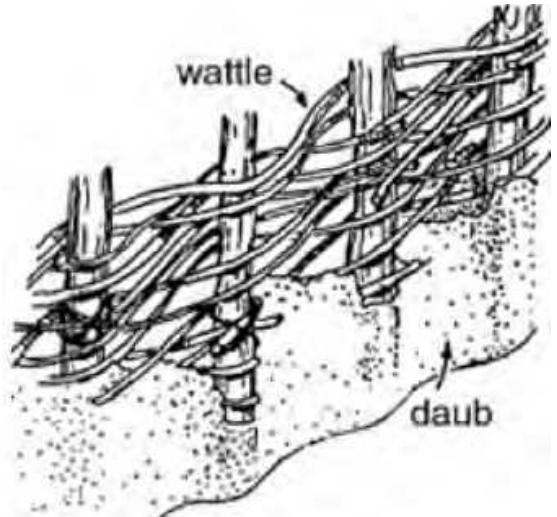
By 1000 BC, most homes in Mexico were simple, single-room structures made from local materials (wooden posts, wattle-and-daub or adobe walls, and thatched roofs). Floors were usually compacted clay, smoothed by use over time.
Compared to 1500 BC, these houses were more permanent. People were settling in one place rather than moving with the seasons. The milpa system of maize, beans, and squash had become central to daily life, bringing more pottery, storage areas, and household tools.
Many families began to build in small clusters or patio groups, arranging several houses around a shared courtyard. These spaces became early versions of community centers, places where relatives cooked, worked, and gathered together.
Size and Layout
Prehistorians who work with excavation footprints often use more modern comparisons to estimate living space. A helpful cross-regional figure sometimes used is about 6 m² per person (≈ 64.6 ft² per person which is about an 8’x8’ room). That gives a practical sense of scale:
- 1 person ≈ 6 m² (≈ 65 ft²).
- 2 people ≈ 12 m² (≈ 129 ft²).
- A nuclear family of 4 ≈ 24 m² (≈ 258 ft²).
- Larger household (6 people) ≈ 36 m² (≈ 388 ft²).
Sounds tiny, but it was enough. One flexible space for sleeping, cooking, and crafting. No bedrooms. No bathrooms. Just sections of life arranged in corners: a mat rolled out here, a few jars over there, the fire in the middle.
How They Slept
Beds, as we know them, didn’t exist. People slept on petates (woven mats) or on simple clay or wooden platforms. Sleep followed the sun. People rose with dawn to tend the milpa and usually took a break during the hottest hours. Nights started early, though sometimes they’d stay up weaving, grinding maize, or sharing stories under the firelight. Sleep wasn’t private; it was communal, connected to rhythm and season, not clock and calendar.
Fashion & Beauty Standards
Let’s explore how people in 1000 BC Mexico dressed, cared for themselves, and expressed beauty through clothing, hair, and even body modifications that carried deep cultural meaning.
Physical Appearance
- Average Height:
- Men: ~160–165 cm (≈ 5′3″–5′5″)
- Women: ~145–150 cm (≈ 4′9″–4′11″).
- These are averages from skeletal studies, but height varied by region, diet, and genetics — coastal communities, for example, sometimes show slightly taller averages.
- Body Build: Most people were lean and muscular, shaped by daily physical work, farming, carrying water, grinding maize, and walking long distances. This wasn’t “gym muscle,” just a strong, practical build from active living.
Clothing & Accessories
Textiles & Materials:
Clothing in 1000 BC Mexico was made mostly from plant fibers, especially maguey (agave) and other native plants. Cotton was used where available, but it was rarer and considered a higher-status material.
Most fabric was woven on backstrap looms, creating the rectangular panels that later evolved into huipiles, mantles, and breechcloths.
1. Men’s Clothing:
- Usually a loincloth or breechcloth, a wrapped rectangular panel tied or tucked in place.
- Sometimes paired with a short mantle or cloak for warmth or ceremony.
- Materials were functional and breathable, suited to farming, travel, and ritual work.
2. Women’s Clothing:
- Typically rectangular tunics or wrap skirts, early forms of the huipil or enredo.
- Kept in place with sashes, knots, or pins, not sewn fasteners.
- Cotton was preferred where available; agave fiber was tougher and used for daily wear.
Jewelry & Accessories:
Both men and women wore earspools, shell or stone beads, and pendants when materials were available, these items often signaled community identity or social status rather than personal wealth.
Silhouette & Meaning:
Clothing was rectangular, simple, and modular, pieces could be wrapped, tied, or layered as needed.
Clothes were a social language, as the way you dressed communicated belonging and role. Your textile type, jewelry, and how you tied your garments could quietly signal your region, trade, or rank. Fashion wasn’t about personal style, it was about connection and identity.
The Shaping of Beauty
Beauty here was permanent and social, reshaping a skull, carving a tooth, or stretching an ear was a lifelong statement of who you were and where you belonged.
1. Cranial Shaping:
- Head binding in infancy was common in many Preclassic Mesoamerican groups. Which produced flattened or elongated skull shapes, visible even in bone today. Likely signaled community identity, lineage, or social rank, not deformity.
2. Dental Modification:
- Filing, inlaying, or intentional tooth removal appear in archaeological finds. These practices had aesthetic and ritual meaning, markers of beauty and belonging.
3. Piercings & Ornaments:
- Earspools, lip plugs, and nose ornaments show up clearly in graves and figurines. Frequent ear stretching reflected maturity, gender roles, or social position. Jewelry wasn’t decoration alone, it was a visible language of status and identity.
- Small piercings marked childhood; growing, widened lobes showed adulthood and social belonging; and the heaviest, most elaborate earflares proclaimed power or divine connection.
4. Tattoos & Scarification:
- This is hard to confirm archaeologically as pigments and skin patterns rarely survive. Evidence that this likely existed comes mainly from art and later historical accounts, suggesting tattooing and scarification likely existed but can’t be directly proven for 1000 BC.
Grooming & Cleanliness
Hairstyles and Headbands
- Varied by role and setting:
- Men: often short for labor, or tied up for ritual and ceremony.
- Women: usually long, braided, or gathered; sometimes wrapped with woven cloth bands or ribbons.
- Headbands (woven or plaited bands of fiber, cloth, or bark) could denote status or affiliation, and helped secure hair or headdresses.
Cosmetics and Body Pigments
- Pigments in use:
- Red (cinnabar or hematite): used for body paint, funerary rites, and sometimes hair tinting.
- Maya blue and other mineral/plant pigments appear in ritual and ceremonial contexts.
- Function: Pigments were applied to the face, skin, or hair for identity and ritual display, not daily wear.
- Residues on tools and figurines suggest both men and women used pigments for ceremonial events.
Cleanliness and Bathing
- Water sources: Rivers, lakes, and springs served for washing and bathing.
- Sweat houses (temazcales): Ritual steam baths used for cleansing, healing, childbirth, and spiritual renewal.
- Soap plants: Yucca and other saponin-rich plants provided natural cleansers for hair, textiles, and skin.
What They Ate
Discover what fueled everyday life, from the crops they tended and animals they hunted to the meals shared around the hearth.
The Heart of the Diet
By this time, maize (corn) had already become central to daily life. It grew alongside other plants in the milpa, creating a complete and balanced diet.
Here’s what filled most kitchens and bellies:
- Maize: the base of life; ground on the metate into doughs, gruels, and atole.
- Beans: key source of protein; cooked in clay pots or roasted.
- Squash: its flesh, flowers, and seeds all eaten; added flavor and vitamins.
- Chiles: used fresh or dried to spice dishes and rituals alike.
- Amaranth & chia: nutrient-rich seeds, often toasted or mixed into drinks.
- Wild & foraged foods: roots, greens, cactus fruit, maguey hearts, insects.
- Animal proteins: deer, peccary, rabbit, fish, turtle, turkey, and insects
Each region had its own twists. Coastal communities ate more seafood; highland farmers leaned on grains, beans, and small game.
Staple Drinks
Here’s what you’d likely find in a Preclassic household or village gathering:
- Atole (Atolli): a warm, thick drink made from ground maize mixed with water. Sometimes flavored with chili or herbs for a savory touch.
- The everyday breakfast of farmers and families.
- Water from natural springs or stored in clay jars: cooled in ceramic vessels, often flavored with local herbs or fruit infusions when available.
- Cacao Drink: the early ancestor of chocolate, already brewed by this time.
- Made by grinding cacao beans with water, sometimes mixed with chili or maize. This was reserved for ritual or high-status gatherings, cacao was luxury.
- Maguey Sap & Early Pulque: lightly fermented juice from agave plants.
- Herbal infusions & teas: made from leaves, flowers, and barks gathered locally.
- Used both medicinally and for daily hydration.
- Plants like epazote, hoja santa, and flor de cacao offered flavor and healing.
The Work Behind Every Meal
How much time did food take?
While exact hours are impossible to pin down for 1000 BC, archaeologists and ethnographers can make good estimates from comparable farming communities.
- Seasonal rhythms: The milpa cycle (maize–beans–squash) required heavy work during planting, weeding, and harvest, with quieter maintenance and fallow periods in between.
- Estimated time investment:
- ~30 hours per week on field labor in typical small-scale farming contexts.
- Add 3–6 hours daily for food processing (grinding maize, cooking, preserving, or trading for salt and other staples).
- Workloads surged sharply during sowing and harvest seasons.
- Division of labor:
- Women: Managed seed selection, food preparation, and grinding maize on the metate.
- Men: Focused on field clearing, heavier planting, hunting, or regional trade.
- Roles often overlapped, and cooperation was essential, not rigidly divided.
- Communal effort:
Seasonal work parties for planting or harvest created social bonds and shared the burden, food production was both labor and community life. - Inequality:
- Staple crops fed most people, but trade and status shaped diets. Elites and traders had greater access to exotic foods, cacao drinks, fine salts, tropical fruits, and meats.
- As villages grew, craft specialization and trade deepened food diversity, and the first signs of dietary inequality began to appear.
A Day at the Table: Eating Like the Olmec
Experience what an ordinary day’s meals really looked like, made only with the ingredients and tools the Olmec had on hand.
Morning
- Warm maize gruel (atolli): coarse ground maize simmered in clay pot with water, thickened slightly. A pinch of ground chili or salt (if traded) added for flavor.
- Wild fruit or avocado, halved and eaten fresh.
- Toasted amaranth or squash seeds on the side for energy.
Midday
- Cold maize cakes or tamale bundles: small lumps of maize dough cooked on flat stones or in leaves the night before.
- Handful of roasted pumpkin seeds or wild greens (quelites) foraged nearby.
- Water carried in gourd containers.
Evening Communal Meal
- Maize-squash-bean stew, boiled slowly with herbs and crushed chili. Wild greens or roots, softened in the stew
- Leaf-wrapped roasted fish or small game, cooked under embers.
- Thick maize drink (atolli) or fresh water to sip.
Seasonal or Sweet Treats
- Honey: licked from comb or mixed with crushed amaranth.
- Roasted zapote or guava: soft, fragrant, and smoky from the fire.
- Okay, quick side note: one of my absolute favorite things is falling down rabbit holes about foods I’ve never heard of in those “a what-what?” moments when I discover some plant or animal I didn’t even know existed. Then, of course, I go through the usual heartbreak of realizing I can’t actually get that item here where I live. Either I’d have to pay a exorbitant amount to have one shipped (and pray it survives the trip ripe), or hop on a plane and go hunt it down myself… neither of which, let’s be honest, is happening anytime soon.
- Cacao pulp water (not chocolate; just the fruit’s sweet white flesh diluted in water).
Cooking Like an Olmec: Modern Edition
What would Olmec food look like today? Using their same ingredients and cooking spirit, this reimagined day of meals blends ancient roots with modern comfort and creativity.
Morning
- Cornmeal or masa harina porridge: cooked on stovetop with water or milk; seasoned lightly with salt and a pinch of chili or cinnamon.
- Sliced avocado and roasted pepitas (pumpkin seeds) on the side.
- Sweetened option: drizzle of honey and a few papaya cubes for color.
Afternoon Snack
- Mini corn cakes (masa harina tortillas or tamales) filled with black beans and sautéed amaranth or spinach.
- Handful of roasted pumpkin seeds
- Water infused with herbs or lime.
Dinner
- Hearty three sisters stew: corn kernels, beans, and diced squash simmered in vegetable broth with tomato, onion, garlic, and chili.
- Leaf-wrapped roasted fish (use banana leaves or parchment in the oven), seasoned with lime, chili, and a touch of salt.
- Wilted greens (amaranth, kale, or chard) tossed with a splash of avocado oil.
- Corn drink: warm masa atole flavored with cinnamon and honey.
Dessert
- Amaranth-honey clusters: lightly toasted popped amaranth bound with honey
- Baked guava or zapote halves with drizzle of agave nectar.
- Cacao-honey drink: cacao powder whisked with hot water, honey, and pinch of chili
Climate & Environment
Cooler air, richer soil, stronger rain, 1000 BC Mexico was a place of wild growth. From dry plains to lush coasts, every landscape shaped how people lived, worked, and ate.
Northern Plateau: Land of Wind and Sun
Region: Northern dry highlands stretching toward the deserts.
Climate Overview:
- Summer: 28–32 °C (82–90 °F)
- Winter: 10–14 °C (50–57 °F)
- Humidity: 30–40 % (dry air, quick to cool at night)
- Landscape: Rolling plateaus, scrublands, cacti, rocky hills, and scattered pines.
What it felt like:
The sun hits strong during the day, but the air stays light and dry. Sweat evaporates almost before you notice it. At night, the cold drops fast, you’d pull your woven manta tighter and huddle near a fire.
Image idea: A warm golden plateau with scattered agave, long shadows, and a family walking between stone shelters.
Central Highlands: Valleys of Air and Earth
Region: Valley of Mexico, Puebla basin, Toluca, and surrounding mountains (~2 000 m elevation).
Climate Overview:
- Summer: 22–26 °C (72–79 °F)
- Winter: 6–10 °C (43–50 °F) nights, 14–18 °C (57–64 °F) days
- Humidity: 45–55 %
- Landscape: Highland valleys with lakes, pine-oak forests, and fertile terraces of maize, beans, and squash.
What it felt like:
Mornings start cool, the air sharp and clean. By midday things start warming up. Evenings bring a chill that smells like wet soil and smoke. You’d see volcano silhouettes glowing pink in the sunset.
Image idea: Early-morning valley mist, farmers tending milpas near a lake, volcano peaks in the distance.
Gulf Coast Lowlands: Where the Air Hangs Heavy
Region: Veracruz, Tabasco (Olmec heartlands and coastal wetlands)
Climate Overview:
- Summer: 30–33 °C (86–91 °F)
- Winter: 24–26 °C (75–79 °F), nights 18–20 °C (65–68 °F)
- Humidity: 70–80 % (dense, sticky, tropical)
- Landscape: Lush rainforest, rivers, swamps, mangroves, and fertile floodplains.
What it felt like:
Every breath feels thick. Cicadas buzz, leaves drip, the scent of earth and flowers mixes with rain. You sweat easily, but shade and river baths balance it out. When storms roll in, thunder echoes like drums.
Image idea: Dense jungle canopy with mist rising, wide river reflecting storm clouds, carved Olmec head nearby.
Maya Lowlands: The Green Labyrinth
Region: Yucatán Peninsula
Climate Overview:
- Summer: 29–31 °C (84–88 °F)
- Dry/Winter Season: 26–28 °C (79–82 °F), nights 21–23 °C (70–73 °F)
- Humidity: 75–85 % (heavy tropical air)
- Landscape: Thick forest over limestone plains, sinkholes (cenotes), rivers, and rich biodiversity.
What it felt like:
It’s always warm here. Shade means survival. The forest hums with life, and rain can pour in torrents, then stop in minutes. Nights bring a low, wet heat.
Image idea: Dense green forest with cenote pool, filtered sunlight, stone tools beside a campfire.
Southern Highlands: The Valleys of Clouds
Region: Oaxaca and Chiapas uplands, Pacific slope mountains.
Climate Overview:
- Summer: 27–30 °C (81–86 °F)
- Winter: 20–24 °C (68–75 °F) days, 12–16 °C (54–61 °F) nights
- Humidity: 60–70 % (fresh and pleasant)
- Landscape: Green valleys, pine-oak forests, rivers, misty slopes, and open terraces.
What it felt like:
Soft air, rhythmic rains, and the smell of pine resin. Days were warm enough for light tunics; nights called for blankets of woven maguey fiber. Clouds roll down into the valleys, touching the roofs.
Image idea: Mist drifting through green hills, terraced milpas, villagers by a clear mountain stream.
Population & Settlements
Who lived here and how their growing villages began to shape the land itself.
Estimated Total Population
- Total population: 1,000,000–1,500,000 people
- Most people lived in small rural farming villages (50–300 people).
- Dense population areas were along the Gulf Coast and southern Pacific lowlands.
Top 5 Populated Centers
1. La Venta (Tabasco)
- Estimated population: ~18,000 (regional population)
- Became the main Olmec ceremonial and political capital after San Lorenzo’s decline.
- Controlled trade routes along the Gulf Coast.
- Known for its colossal heads, pyramids, and complex ritual spaces.
2. San Lorenzo (Veracruz)
- Estimated population: ~10,400
- Considered the earliest major city in Mesoamerica.
- Featured advanced stone monuments and drainage systems.
- Likely the seat of early centralized leadership in the Olmec world.
3. Izapa (Chiapas coast)
- Estimated population: ~5,700
- Key Pacific trade hub, connecting highland jade and obsidian routes.
- Served as a cultural bridge between Olmec and later Maya civilizations.
4. San José Mogote (Oaxaca Valley)
- Estimated population: ~1,000
- Earliest Zapotec center, with evidence of social hierarchy and ritual activity.
- Set the stage for the later rise of Monte Albán.
5. Chiapa de Corzo (Chiapas)
- Estimated population: ~1,000
- Early regional capital on the Grijalva River.
- Important for inland trade control and early civic-ceremonial architecture.
Health
Explore how people cared for their bodies, treated illness, and faced everyday dangers in ancient Mexico.
Life Expectancy
- Average lifespan (for adults who survived childhood): around 35–40 years
- Child mortality: about 40–50% of children didn’t reach age 15
Medicine & Healing Practices
- Healers (curanderos) used a mix of botanical knowledge, ritual, and spiritual balance.
- Midwives (parteras) were essential for childbirth, offering herbs and sacred rites to protect both mother and baby.
- Common remedies:
- Cacao (antioxidant, stimulant)
- Aloe and nopal for wounds and burns
- Copal smoke for cleansing and spiritual healing
- Epazote for parasites and digestion
Hygiene & Cleanliness
- Bathing: Regular activity in rivers, lakes, and steam baths (temazcales) were used for cleanliness and ritual purification.
- Dental care: Chewing fibrous plants helped clean teeth; some used charcoal ash as abrasive.
- Menstrual care: Cloths made from softened plant fibers or bark; women often isolated briefly for rest and ritual.
- Waste disposal: Latrines near water channels in larger villages; compost pits in rural homes.
Common Health Issues/Cause of Death
- Infectious disease (respiratory & gastrointestinal):
- Pneumonia, bronchitis, and intestinal infections were common killers in children and sometimes adults.
- Perinatal / childhood mortality:
- Birth complications and neonatal infections caused a large share of early deaths, this is why life expectancy at birth is low.
- Nutritional stress and anemia:
- Signs on the teeth, like enamel hypoplasia (lines that show periods of stress during childhood), and bone changes such as porotic hyperostosis, suggest that many people faced repeated problems with poor nutrition or illness when they were young.
- Dental disease and oral health problems:
- As maize became central, tooth decay and severe dental wear rose in many farming groups, increasing risk of dental infection and systemic consequences.
- Trauma and violent death:
- Fractures and injuries that happened around the time of death show up in many skeletons, sometimes caused by accidents, other times by violence between people.
- Childbirth complications (maternal mortality):
- Obstetric hemorrhage, infection, and retained placenta were likely major risks for women.
Social & Family Life
Who married whom, who held power, and how did people share daily work? From early class systems to gender and age roles, see how families and communities were shaped in 1000 BC Mexico.
Marriage customs
- No single formula: There wasn’t one “Mesoamerican rule” for marriage, practices varied by region and community. Still, some common patterns show up in later evidence:
- Parents helped choose partners.
- Gift exchange or bride-price often took place.
- Marriages blended arranged elements with personal choice, a mix of duty and affection.
- Monogamy vs. polygyny: Monogamy was the norm for most households.
- Average age at first marriage: Exact ages are uncertain, but based on comparisons with later periods:
- Women: likely married in their late teens to early 20s.
- Men: usually in their early to mid-20s.
- These estimates likely shifted by region and social class.
Class structure
By around 1000 BC, class divisions were emerging: a few households gained power through craft, trade, and ritual leadership, while most people remained small farmers living close to the land that sustained them.
Evidence includes:
- Monumental public works (large buildings or temples)
- Elite burials with imported or rare goods
- Specialized workshops for high-status crafts
All of this points to a small group controlling prestige goods, rituals, and surplus redistribution, the beginnings of an elite class.
Gender & Age Roles
- Division of labor: By around 1000 BC, work was divided by sex and age, though duties often overlapped.
- Women typically managed food processing (especially grinding maize on metates, a task reflected in skeletal evidence showing repetitive upper arm wear), along with textile production and childcare.
- Men more often handled field clearing, hunting, and heavier labor, though both sexes farmed and could take part in craft work.
- Political and ritual life was largely male led, but women held key roles in community spirituality, often serving as midwives, healers, or ritual guides within the household.
- Age & elder respect: Elders likely held important knowledge and decision making roles, such as remembering seasonal cycles, planting times, and ritual practices.
- Younger adults did most of the field labor.
- Older members guided community decisions and helped maintain traditions.
Childhood & Parenthood
What was it like to grow up or raise children in ancient villages? Discover how families cared for, taught, and protected their youngest members in 1000 BC Mexico.
Main challenges
- High child mortality & disease burden: Many children didn’t survive infancy or early childhood; infectious disease (diarrhea, respiratory infections) and malnutrition were major risks. Parents lived with the constant threat that a baby might not reach adolescence.
- Food security & seasonality: Households depended on the milpa cycle. Bad rains or pest outbreaks meant real hunger; parents had to store, diversify, and share food to reduce risk.
- Labor demands on time: Farming, processing (grinding maize), textile work and craft production took hours daily, childcare had to be woven into those tasks. Parents juggled heavy workloads while protecting and teaching children.
- I’m not going to lie, this life style sounds exhausting and just anxiety inducing…
- Limited clinical care: No professional medicine as we know it, childbirth and neonatal complications were major risks. Treatment relied on herbal remedies, midwives, and ritual specialists.
- Environmental hazards & violence: Children faced natural dangers (water, cliffs, animals), accidents during work, and occasional interpersonal violence or raiding in some regions.
Parenting style
- Collective/alloparenting model: Childcare was highly social. Mothers, older siblings, grandparents, and neighbors all pitched in. Children were rarely left completely alone. This diffusion of care increased resilience in high mortality settings.
- Hands-on learning by doing: Education was practical, children learned by participating (carrying water, tending small plots, learning craft skills at the hearth or workshop). Play doubled as training (mock planting, toy tools).
- Long breastfeeding & gradual weaning: Ethnohistoric and comparative evidence suggests extended breastfeeding (months to years), with gradual introduction of maize gruels and other weaning foods. This both nourished infants and protected them from some disease.
- Ritualized moments for life stages: Birth, weaning, and puberty often carried ritual meaning. These public markers reinforced social identity and responsibilities.
Family Roles
- Mom: Main responsibility for infant care, breastfeeding, food preparation, spinning/weaving, and many household crafts. Women usually organized daily domestic labor and passed on practical knowledge.
- Dad: Often responsible for clearing fields, heavy agricultural tasks, hunting, fishing, long-distance travel or trade, and protection. Fathers taught boys how to farm, hunt, and shape tools with their own hands.
- Grandparents & elders: Knowledge keepers: agricultural calendars, ritual practice, childrearing lore, stories. Grandparents often acted as secondary caregivers and arbiters in disputes. Their role gave continuity across generations.
Discipline & Affection
- Affection through inclusion and proximity: Children slept near their families and joined adults in daily work. This constant togetherness built strong bonds.
- Discipline as practical social training: Correction focused on teaching skills and responsibility rather than strict punishment.
Kids learned through guidance (how to stay safe around fire or water, or how to do their field tasks properly). When someone misbehaved, gentle shame or correction within the family helped keep balance.
Cultural expectations of children
- Helping out from a young age: Children were expected to help in age-appropriate ways (fetching water, tending younger siblings, gathering firewood, or helping with planting and harvest). This was both a practical necessity and early training, as boys often joined in farming, hunting, or toolmaking, while girls learned grinding and weaving, with some overlap depending on the family’s needs.
- Obedience and respect: Respecting elders and following rules were core values as disobedience risked social sanctions that mattered in tight kin networks.
- Preparing for adulthood: By their teens, youth were expected to show readiness for marriage—skilled in home and field, and trusted to contribute to family life. Marriages often built alliances and strengthened community bonds.
Pets
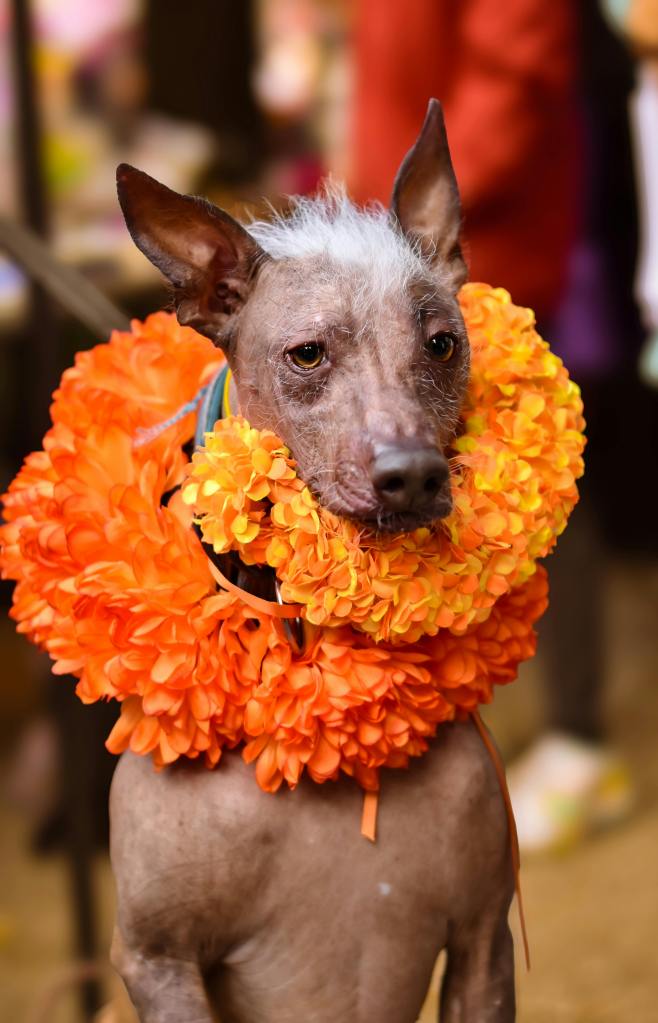
- Dogs: Companions, guards, hunting assistants, and sometimes food/ritual offerings.
- Role of animals in child life: Animals were playmates, help teaching responsibility (children learned basic care as part of household duties).
Leisure & Recreation
How did people have fun?
Adults
Major public spectacles & social events
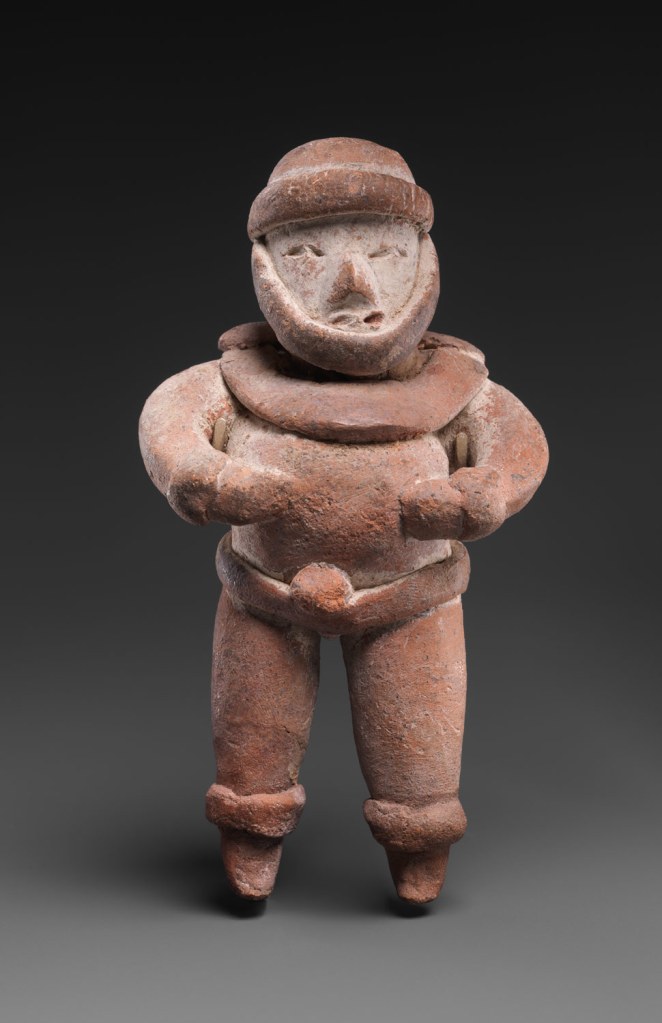
An early ceramic figure of a Mesoamerican ballplayer, showing protective gear and the sport’s deep ritual roots.
The Metropolitan Museum of Art
- Ballgame: Played and watched, by the Preclassic there is solid evidence of early ballcourts and rubber balls in the lowlands. Sometimes the game had ritual meaning and was the center of major gatherings.
- Feasts & ritual ceremonies: Seasonal ritual feasts (harvest, planting rites, ancestor offerings) drew people together for food, music, and dance. Elites hosted public feasts to cement alliances.
Performing arts & entertainment
- Ritual dance & music: Dances accompanied ceremonies; musical instruments (ocarinas, flutes, rattles, drums) are commonly found in Preclassic contexts and likely accompanied many public and private events.
- Gambling / board games (chance games): Games like patolli appear in the archaeological record as social gambling events, played at markets, plazas, and during festivities. Boards/marked floors and bean-dice are attested in many contexts.
Small-group & daily pastimes
- Storytelling & oral performance: Myth, genealogy, and local news were shared by elders and storytellers in the evening.
- Craft & spectator activities: Craft production (pottery, carving, weaving) could be social and entertaining.
- Informal sport & contests: Running races, wrestling-style contests, and simple ball play (not always on formal courts) for local amusement.
Children & Families
Children’s play & toys (archaeological evidence)
- Small ceramic figurines / dolls / whistles: Many Preclassic sites recover small figurines and whistle-type ocarinas that were likely used as toys and play instruments.
- Rubber balls & simple balls: Rubber balls have been found in Early Formative ritual caches (e.g., El Manatí), and balls were used for both child play and organized ballgames.
- Miniature vessels & toy tools: Little pots, miniature metates, and small versions of adult tools are common in domestic assemblages, children imitated adult tasks during play.
Typical children’s games & activities
- Running, tag, hide-and-seek, mock hunting: Active outdoor games that double as skill training.
- Imitative play: Pretend cooking, mock planting, toy animals, ways to learn household tasks.
- Simple board/bean games: Children likely played simplified versions of adult board games and dice games.
- Music & rhythmic play: Using whistles/ocarinas and rattles (found in child burials and domestic contexts).
Family pastimes & rhythms
- Evening storytelling and song: family time after the day’s work.
- Helping at festivals: children participated in feasts, dances, and ritual processions as helpers or performers.
- Learning by doing: craft apprenticeships often started in childhood, so play and work blended.
Culture, Language & Religion
Discover how early peoples of Mesoamerica expressed their beliefs, stories, and identity through language, art, and faith.
Leading Cultures
1. Olmec: Gulf lowlands (Veracruz & Tabasco)
- Status: Regionally dominant with San Lorenzo prominent and La Venta rising.
- Why important: Widely considered Mesoamerica’s earliest “mother culture.” Produced monumental sculpture (colossal heads), public ceremonial centers, craft specialization, and long-distance exchange networks that spread motifs and prestige goods.
2. Early Maya (Preclassic Maya): Maya Lowlands (Yucatán)
- Status: Emerging, village communities forming into larger ceremonial centers.
- Why important: This period laid the groundwork for the Classic Maya civilization, with the rise of ceremonial centers, permanent villages, early monuments, and expanding farming in the lowlands.
3. Zapotec precursor (San José Mogote, Oaxaca Valley)
- Status: Growing. The largest and most complex settlement in the Oaxaca Valley at this time.
- Why important: The first signs of temples, craft production, and growing social ranks appeared here, forming early steps toward the great Zapotec city of Monte Albán.
4. Tlatilco culture: Valley of Mexico
- Status: Settlements had grown stable and distinct, each showing recognizable cultural traits.
- Why important: Producing iconic figurine styles (dual-headed figures), evidence for craft specialization and social differentiation in the Basin.
5. Izapa/Soconusco: Pacific coastal fringe (Chiapas/Guatemala border)
- Status: Taking shape, growing settlements and the first carved stone monuments (stelae)
- Why important: A trade crossroads between mountains and coast, known for early carved monuments that blend Olmec and Maya styles, important for early writing/iconic imagery.
Religion & Spiritual Life
Broad patterns (Mesoamerica)
- Religion tied people to cycles (maize, rain, sun, death). Rituals mixed household rites and public ceremonies(planting/harvest rites, offerings, feasts). Ceremonial specialists or shamans mediated between people and forces of nature.
Olmec-specific
- Core themes:
- Jaguar and were-jaguar imagery (symbols of power and transformation)
- Water and fertility motifs (tied to life, growth, and renewal)
- Hybrid spirit beings and wooden/ceramic offerings (like those found at El Manatí)
- Ritual practice: public ceremonies at major centers (San Lorenzo, La Venta) with monumental architecture and offerings
Maya-specific (early/Preclassic)
- Core themes:
- Ancestor veneration: honoring lineage and family spirits
- Maize deities: life and renewal centered around corn
- Caves and cenotes are seen as portals to the spirit/underworld
- Ritual Life:
- Rain and fertility rituals: essential for good harvests and community survival
- Offerings, feasting, and early forms of bloodletting rituals
- Sacred sites centered around caves and water sources
Art
Art ranged from monumental stone carvings in plazas to small, personal items of beauty and devotion.
Materials
- Stone: basalt and sandstone for large public sculptures
- Jade & greenstone: prized for elite ornaments and ritual items
- Ceramics: everyday vessels and household figurines
- Shell & wood: decorative and ritual uses, often finely carved
Language & Writing Systems
Languages (broadly)
Mesoamerica was, and is, linguistically diverse. Major language families present in the region include Mayan, Mixe-Zoquean, Oto-Manguean, Totonacan, Uto-Aztecan, and others. By 1000 BC these family lines were in place or forming; local dialects varied widely by valley and coast.
Olmec language
- Many scholars argue the Olmec elite probably spoke a Mixe-Zoquean language (or a precursor), based on lexical loans and geographic correlation; this remains a strong but not universally accepted hypothesis.
Maya languages
- Early forms of Mayan languages were spoken in the lowlands; the language family has deep antiquity. By the Preclassic the ancestors of modern Mayan languages were differentiating regionally.
Writing
- Olmec: the Cascajal Block (Olmec heartland) is widely cited as the earliest known writing-like inscription in Mesoamerica (~1000–800 BC). Its signs suggest an early script or proto-writing linked to Olmec contexts, though full decipherment and interpretation remain debated.
Instruments
What did it sound like?
- Ocarinas, vessel flutes: small clay whistles and ocarina-type vessels which produce bird-like and melodic sounds and were often shaped like animals or humans.
- Bone & reed flutes: simple flutes and whistles made from bird bone, reed, or wood. They were portable and good for melody or signaling.
- Conch-shell trumpets: large sea-shell trumpets (modified conchs) were used as loud signaling instruments and in ritual contexts, as their low, resonant blast carried across plazas and water.
- Rattles & shakers: Gourds, pottery, shells filled with seeds/pebbles were ubiquitous for rhythm in ceremonies and dances. They come in household sizes and larger ritual types.
- Bone, wood, turtle shell clappers; scraped or struck together, notched bone rasps, wooden clappers, turtle-shell percussion added texture and rhythm to ceremonies.
Media You Can Watch or Read Today
Continue your journey with these books and movies.
Adults
- Documentaries
- The Olmec Legacy
- Language: English
- A concise, well-illustrated overview of Olmec sites (San Lorenzo, La Venta), colossal heads, and ritual contexts — great for plaza-and-monument visuals for readers.
- Ancient Americas: The Olmec Heads
- Language: English
- A short doc-episode focused on the colossal heads and what they tell us about leadership, labor, and power in early Gulf-coast societies. Good for storyline narration in your post.
- The Olmec Legacy
- Books
- The Olmecs: America’s First Civilization — Richard A. Diehl
- Language: English
- Why read: Classic, readable synthesis of Olmec archaeology, a great single-volume intro for curious readers.
- Prehispanic Cooking (Cocina prehispánica) — Ana M. de Benítez
- Language: Bilingual editions exist (English/Spanish)
- Why read/do: Practical recipes and background on pre-Hispanic ingredients and techniques (atole, masa-based dishes). Great if you want to include an “ancient recipe” sidebar or try a period-appropriate drink.
- Cocina prehispánica mexicana — Heriberto García Rivas (Spanish)
- Language: Spanish
- Why read: Popular history + recipes tracing the deep origins of Mexican cooking — useful for Spanish-speaking readers and cultural context.
- The Olmecs: America’s First Civilization — Richard A. Diehl
Kids
- Shows
- Las Leyendas (Netflix)
- Language: Spanish (original); Dubbed/Subtitled: English available
- Ages: 8–12
- This animated series pulls from Indigenous Mexican legends. It’s not “historically accurate,” but it’s dripping with ancient temples, gods, and pre-Hispanic creatures. My kids loved it because it balances spooky and funny. Perfect for getting a feel for ancient Mesoamerican mythology without anything too intense.
- Onyx Monster Mysteries (YouTube)
- Language: English; Some Spanish dubs available
- Ages: 7–10
- This one features monsters and legends from around the world — including Mesoamerica. Great if your kid is into adventure + creature lore. Episodes inspired by Olmec heads and jungle temples are a great “gateway” to ancient Mexico themes.
- Pakal & the Maya (UNAM mini-series on YouTube)
- Language: Spanish; Subtitles: sometimes available in English
- Ages: 10–14 (ideal for curious kids who like history and mythology)
- This is more educational, but still kid-friendly. It follows a young Maya character exploring temples and talking about beliefs. Even though Pakal is later than 1000 BC, the visuals and concepts are incredibly useful for imagining that world.
- El Libro de la Vida / The Book of Life (Disney / Disney+)
- Language: English and Spanish; Dubbed/Subtitled: both available
- Ages: 7–12
- This is about Día de Muertos, not ancient times — but: it introduces very old Mesoamerican beliefs about death, ancestors, and cyclical life in a child-friendly, emotional way. Great bridge into Indigenous worldview, which is unchanged from ancient roots.
- Maya and the Three (Netflix)
- Language: English; Spanish Dub Available
- Ages: 9–14
- Epic fantasy inspired by Maya, Aztec, and Olmec mythology. Beautiful visuals and a powerful heroine. It’s like pre-Columbian myth meets kids’ epic fantasy.
- Las Leyendas (Netflix)
- Books
- The Hero Twins Against the Lords of Death (Maya mythology picture book)
- Language: English; Spanish translations available
- Ages: 6–12
- This is a kid-friendly retelling of the Maya underworld myth from the Popol Vuh. It’s technically from later mythology, but it comes from beliefs that stretch all the way back before 1000 BC. If your child enjoys gods, trials, and clever heroes, this is perfect.
- Abuela’s Weave (Picture Book)
- Language: English (Spanish version available)
- Ages: 4–9
- Set in a modern Indigenous village, this book doesn’t take place in ancient times, but it showcases traditional weaving practices using techniques passed down from the Preclassic period. A beautiful way to connect children with ancient arts through family and culture.
- Colors of the Wind: Maya Art & Symbol Book (Activity/Coloring)
- Language: Bilingual Spanish-English
- Ages: 5–10
- This is an activity book that uses ancient symbols, animals, and deities. Kids color while learning what each symbol meant. A very gentle way to introduce ancient cosmology.
- Ancient Americas Craft Book (Smithsonian activity book)
- Language: English;
- Ages: 7–12
- Lots of crafts: clay figurine making, feather ornament crafts, mini temple building with cardboard. Each activity is inspired by archaeological finds. Historical notes are presented in a kid-friendly tone.
- The Hero Twins Against the Lords of Death (Maya mythology picture book)
So be honest, would you thrive in a world where your day starts with grinding corn at sunrise and ends with stories by the fire? Or would you be desperately trying to invent plumbing and iced coffee? Let me know which camp you’re in!
 Time Traveling Table
Leave a comment