
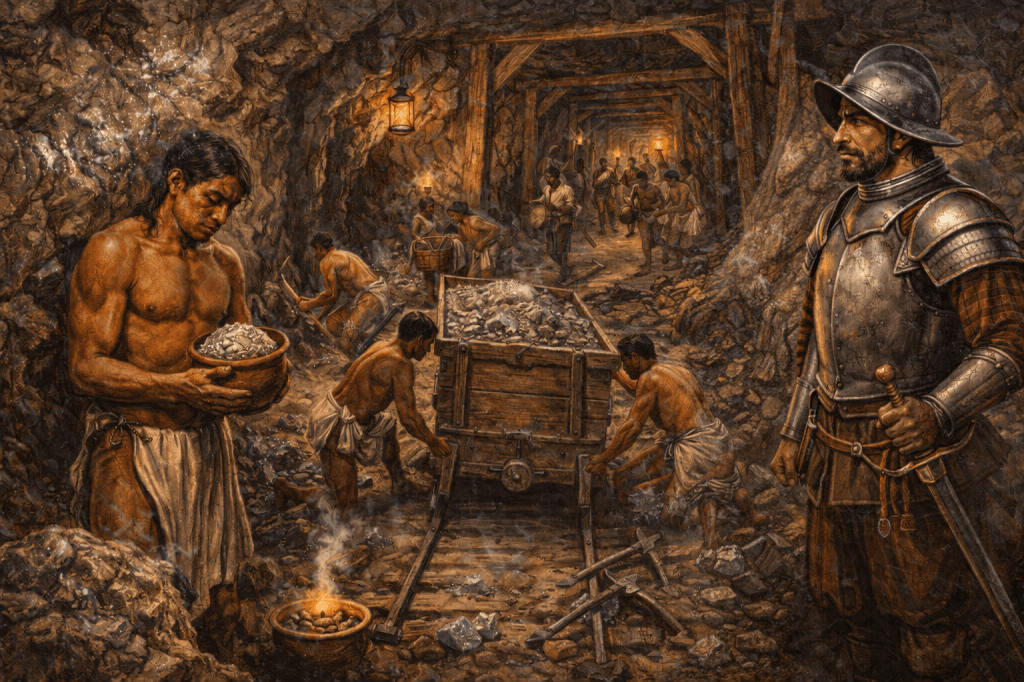
Step into a different time. In this post, we explore what daily life really looked like in Mexico around 1600, from sunrise routines and crowded markets to what was simmering on the stove. This was a world shaped by the aftermath of conquest, where Indigenous traditions, Spanish institutions, and global trade networks were colliding and blending into something entirely new.
Just so we’re all on the same page. Please ensure you’ve made yourself acquainted with my disclaimer
In our last look at 1521, the Mexica world had just collapsed under siege. Tenochtitlan fell and an empire ended.
By 1600, almost 80 years have passed. Politically that is a long time, but culturally it is still close enough to feel recent. The generation who saw Tenochtitlan with their own eyes is mostly gone, yet their grandchildren are growing up inside something layered, not fully Indigenous and not fully Spanish.
Across central Mexico, cities increasingly follow Spanish grid plans. Stone churches rise over former temple precincts and plazas anchor civic life. Yet beyond those plazas, Indigenous neighborhoods still hum with Nahuatl, Otomí, and Mixtec, and older ways of organizing home life, work, and community continue under new rules.
Daily life in 1600 depends on who you are. Indigenous communities adapt while carrying obligations like tribute and church attendance. Peninsulares hold top offices and live closest to the plaza and the paperwork of power. Criollos, Spanish by ancestry but born in the Americas, sit just below them, and by 1600 you can already feel small tensions forming that will matter later.
Across every group, the rhythm of life still follows the sun. Markets open early, bells mark time, and agricultural cycles shape survival. This is the century when shock hardens into structure, and when Mexico begins to become something distinct, even if no one has the language for it yet.
Home Life
Step inside a house in 1600. How big was it, what did it feel like, and how did people cook, sleep, and stay clean?
Most people in New Spain were still Indigenous commoners, especially across central Mexico. Urban mestizo populations were growing, but the most typical household experience remained rural and Indigenous, so that’s our baseline.
The Most Common House in 1600
Across Mexico, homes were modest structures built for climate and daily work. Most measured 30 to 70 square meters (320 to 750 square feet). Many consisted of one main room with flexible use, sometimes a small storage area, plus an outdoor cooking space or lean to. There were no fixed bedrooms and no indoor plumbing, so sleeping, storage, eating, and craft work shared the same interior.
Materials depended on region.
• adobe in dry highlands
• wattle and daub in temperate zones
• stone in many Maya regions
• palm thatch in tropical lowlands
• wood plank structures in some northern areas
What It Looked and Felt Like Inside
Interiors were practical and textured. Floors were often packed earth or brick, walls were plastered, and beams were visible overhead. Storage was handled through clay jars, baskets, and chests rather than built-in cabinetry.
Core tools anchored the space.
• metate for grinding maize into masa
• comal for daily tortillas
• molcajete for chiles and spices
After conquest, many households also kept santos, carved or painted devotional images used for prayer and protection. These were not just decoration. They were part of how families navigated a Catholic public world while maintaining private continuity at home.
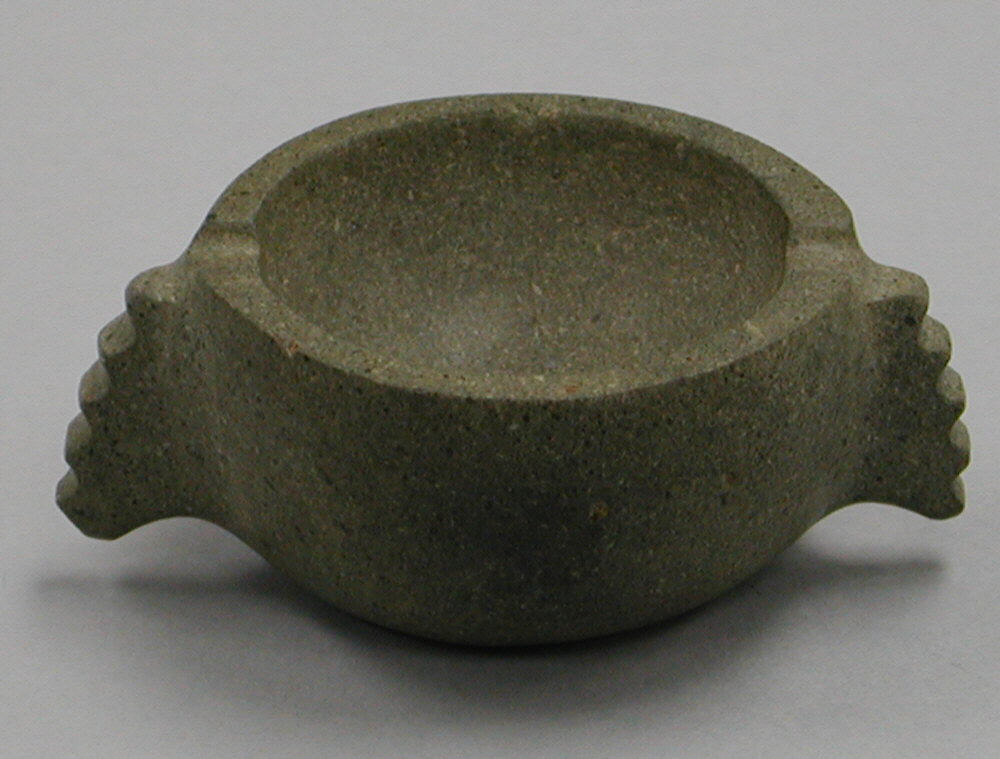
Stone vessels like this were durable household tools, made to be used hard and kept for years.
Sleep, Light, and Heat
Sleeping surfaces were usually petates, woven reed mats rolled out at night and stored during the day. In colder highland regions, wool blankets were common, while wealthier homes might use rope beds or wooden frames stuffed with straw or wool.
In hotter areas where temperatures could reach 30 to 35 °C (86 to 95 °F), work slowed during peak heat. It wasn’t always a formal siesta, but a practical pause built around the sun.
The Household and Tribute
Tribute was not new in 1600. Long before Spanish rule, the Mexica empire required subject communities to send goods and labor to Tenochtitlan. What changed after conquest was who received it and how it was enforced. Now tribute flowed to Spanish encomenderos, colonial officials, and ultimately the Crown. In many regions, Indigenous communities continued paying in familiar forms:
• maize
• beans
• textiles
• turkeys
• labor days
Population loss from disease meant fewer workers carrying obligations that often remained the same or even increased. In some regions, tribute gradually shifted toward cash payments, especially as silver mining expanded.
Regional Differences
Housing styles changed with environment.
Yucatán and the tropical south often used palm thatch roofs, stone bases, and open airflow design. Hammocks were common and worked as climate technology by improving airflow and reducing insects.
Northern frontier regions often used thicker adobe walls and smaller openings, with more clustered settlement patterns near missions where security mattered.
Urban and wealthier homes in cities like Mexico City, Puebla, and Oaxaca could reach 80 to 200 square meters (860 to 2,150 square feet) and often included courtyards, multiple rooms, tile floors, and carved doors, though indoor bathrooms were still rare and waste systems remained external.
What Changed Since 1521
European items entered the home, especially in towns and elite households.
• iron pots
• metal knives
• doors with hinges
• locks and keys
• glass windows in some elite homes
• wheat bread ovens in cities
• Christian altars and santos
Fashion & Beauty Standards
What did people wear, and what did society expect them to look like?
In 1600 New Spain, clothing was not just fabric. It functioned as a social language. Before someone spoke, you could often read their position in society through their clothing, posture, and grooming.
Silhouette, material, and even skin tone carried meaning. Together they communicated class, labor expectations, and the emerging racial hierarchy of the colonial world.
Women’s Dress and Appearance
Indigenous Women
The largest demographic group in 1600 was Indigenous women, particularly in rural regions of central Mexico. Their clothing emphasized practicality and mobility.
Garments followed a simple column shape, usually loose fitting and constructed from woven rectangular panels rather than tailored pieces.
Typical clothing included
• Huipil, a square woven cotton tunic
• Enredo, a wrap skirt tied at the waist
• early forms of the rebozo appearing by the late 1500s
• bare feet or leather sandals called huaraches in some regions
Materials varied with climate.
• cotton in warmer regions
• maguey fiber in drier landscapes
• wool increasingly used after sheep were introduced
Garments were secured with woven belts or knotted ties rather than buttons. Hair was typically worn long, parted at the center, and braided with woven ribbons.
Jewelry remained modest but meaningful.
• shell beads
• copper ornaments
• jade in some regions
• glass beads introduced through European trade
Spanish and Criolla Women
Among Spanish and criolla elites, clothing followed European fashion and communicated status more explicitly.
Silhouettes emphasized structure.
• fitted bodices
• wide skirts supported by petticoats
• high necklines and long sleeves
Materials included wool, linen, silk, and occasionally imported lace among wealthier households.
Garments fastened with
• lacing
• pins
• metal hooks
• decorative buttons
Hair was typically worn up and often covered with veils or mantillas in public. Decorative combs appeared among wealthier women.
Cosmetics were used within elite circles. Pale powdered skin, light rouge, and occasionally beauty mark patches reflected European beauty trends.
Body ideals also shifted. Fair skin and softness signaled that a woman did not labor outdoors. In colonial society, lightness increasingly became associated with status and privilege, a pattern that would shape beauty standards for centuries.
Men’s Dress and Grooming
Indigenous Men
Clothing for Indigenous men remained practical and adapted to work.
Common garments included
• short sleeveless tunics
• loincloths
• simple wrap garments
Over time some communities began adopting European style shirts, especially in areas closer to colonial towns.
Materials mirrored those used by women.
• cotton
• maguey fiber
• wool in colder regions
Many men went barefoot or wore simple leather sandals.
Hair was usually straight and dark, worn shoulder length or tied back. Facial hair was typically sparse due to genetics.
Spanish and Criollo Men
Spanish and criollo men dressed in ways that reinforced authority.
Typical clothing included
• fitted doublets
• knee length breeches
• stockings
• leather shoes with buckles
• cloaks
• wide brimmed hats
Facial hair, especially mustaches and trimmed beards, served as visible markers of masculinity.
Clothing helped shape posture and silhouette. Authority was not only political but also visual, expressed through fabric, tailoring, and presentation.
Children and Babies
Infants were usually swaddled in woven cloth and often carried in rebozos tied across the body.
Children typically wore simplified versions of adult clothing and were frequently barefoot. Hairstyles remained simple and practical.
Hygiene and Grooming
Cleanliness remained important in Indigenous communities, even after conquest.
One of the most important bathing traditions was the temazcal, a small steam bath structure used for cleansing and healing.
Natural cleansers included
• yucca root used as a soap like lather
• ash mixtures
• clay
• herbal infusions
Spanish influence introduced additional practices, including olive oil soaps and linen undergarments that could be washed regularly.
Teeth were cleaned using chewing sticks and herbal rinses, while fragrance often came from copal incense or fresh herbs.
People were not the dirty stereotypes often imagined in colonial narratives. Hygiene existed within the limits of environment, labor, and available technology.
Body Modification and Colonial Control
Before Spanish conquest, visible body modification often carried deep social meaning.
Large ear spools and lip plugs in central Mexico were not casual jewelry. They functioned as markers of status, noble identity, and religious affiliation tied to pre contact cosmology.
When Spanish authorities and Catholic missionaries encountered these practices, they interpreted them as signs of pagan identity.
Suppressing them did not require inspecting every individual. Instead colonial governments introduced sumptuary laws, regulations that restricted what different racial groups were allowed to wear or display.
These laws controlled
• fabrics and colors
• jewelry and ornamentation
• hairstyles
• visible markers of rank
Punishments could include fines, confiscation of objects, public humiliation, or corporal punishment in extreme cases.
Without imperial institutions supporting traditional elite regalia, Indigenous nobles also lost the social protection that once surrounded these symbols. Visible markers of status gradually became riskier to display.
Population collapse from disease also disrupted artisan networks. Large ear spools required skilled craft production, and many of those specialized traditions weakened as communities shrank.
In colonial towns suppression was stronger, while rural communities likely maintained some practices longer. Smaller ear piercings continued quietly among many women, but the large elite ear spools of the pre conquest world declined rapidly.
Over time people adjusted their appearance not because they forgot older traditions, but because survival often required adaptation.
When Colonization Changed the Body Itself
Colonialism did not only reshape politics and religion. It also affected the human body.
Before Spanish arrival, Indigenous populations in central Mexico followed relatively stable growth patterns supported by diets based on maize, beans, squash, insects, fish, turkey, and other regional foods.
After conquest several pressures appeared simultaneously.
• land dispossession
• forced labor systems
• epidemic disease
• community disruption
• changes in diet
When anthropologists compare skeletal remains from before and after colonization, clear patterns appear.
Researchers see
• decreased average height among laboring populations
• growth interruption lines in bones
• dental stress markers
• lower bone density in some communities
• widening physical differences between elites and commoners
Height increasingly reflected access to nutrition, rest, and childhood stability. Spanish and criollo elites often recovered more quickly after epidemics, while Indigenous and mixed populations showed greater skeletal stress.
In that sense the colonial hierarchy did not only exist in laws or clothing. It gradually became written into the body itself.
Diet & Daily Meals
Explore what people grew, hunted, cooked, and craved.
If one part of life shows continuity after conquest, it is food.
The milpa system remained the foundation of survival. Maize, beans, and calabaza continued structuring daily meals across central Mexico. Spanish rule reshaped land ownership and tribute systems, but it did not fundamentally dismantle how most people ate.
European ingredients entered the landscape, yet they layered onto existing foodways rather than replacing them.
Agricultural Foundations
For the Indigenous majority, everyday food still revolved around familiar staples.
Common foods included
• maíz, prepared as tortillas, tamales, and atole
• frijoles
• calabaza
• chile
• amaranth
• nopales
• wild greens
• tomatoes
In many central Mexican communities maize likely supplied well over half of daily calories. It was not optional. It was structural.
Spanish colonization expanded the agricultural landscape with new ingredients, which included wheat, rice, chickens, pigs, cows, and sugarcane.
By 1600 pork appeared more frequently in some regions, especially urban centers. Wheat bread circulated mainly in cities, and sugar was increasing but still unevenly accessible.
Food by Social Position
Diet varied significantly depending on social position.
In Indigenous households protein sources depended on region and access. Turkey, fish, small game, and insects supplemented maize based foods when available. Pork gradually entered some communities but rarely appeared as an everyday staple.
Spanish and criollo households experienced a more dramatic dietary shift. Wheat bread, rice, beef, pork, chicken, olive oil, cheese, and wine appeared more frequently among elites.
Meals sometimes followed a more European structure, but the largest meal of the day still occurred late morning or early afternoon, matching labor rhythms rather than strict schedules.
Cooking everywhere remained labor intensive. Grinding maize, hauling water, tending fires, and collecting wood could consume hours each day. In many households, food preparation alone occupied a large portion of waking life.
Alcohol
Alcohol consumption also reflected social and regional patterns.
Pulque, the fermented sap of maguey, remained common in central Mexico and was often regulated by social norms surrounding moderation.
Wine was associated with church ritual and Spanish elite households.
Mezcal also existed by 1600. Indigenous communities already understood how to harvest and roast maguey. When distillation technology arrived with the Spanish during the 1500s, the techniques combined. By the late sixteenth century mezcal production appeared in western regions.
Production remained small scale and regional. For most Indigenous communities, mezcal would have been shared occasionally rather than consumed daily.
OG Meal Plan
- Morning Food
- Thin Maize Atole: Nixtamalized ground maize and cooked with water. No sugar, milk, or spices.
- Snack
- Toasted Maize Kernels: Dried maize blistered on the comal and lightly salted.
- Drink: Plain water.
- Main Communal Meal
- Turkey Molli Tamales: Stone-ground nixtamalized maize masa wrapped around tender turkey braised in a slow-reduced red chile molli with epazote and pumpkin seed. Rich, earthy, and satisfying.
- Beans with Epazote and Pork Fat: Slow simmered beans finished with epazote and a small spoon of pork fat.
- Drink: Plain water or thin atole.
- Sweet Close to the Meal
- Cacao Drink: Stone-ground cacao blended with water and gently sweetened with honey or a touch of sugar, traditionally frothed and served warm in clay cups. Rich, bitter, and aromatic.
- Small Shared Mezcal (Adults): A small clay cup, sipped slowly. No lime. No salt. Social rather than intoxicating.
- Dulce de Calabaza (Candied Squash): Tender squash slowly simmered in piloncillo and cinnamon syrup
Modern Plan
A modern restaurant interpretation using the same ingredients and rhythm.
- Breakfast
- Blue Corn Atole Latte: Masa blended smooth with milk and lightly sweetened.
- Snack
- Chile Lime Roasted Corn Cups: Crunchy roasted corn with citrus zest and flaky salt.
- Drink: Sparkling mineral water with lime peel.
- Dinner
- Turkey Molli Tamal: Stone-ground blue corn masa with pork fat, filled with slow-braised turkey in a savory red chile molli. Steamed and lightly seared for crisp edges, served open in the husk.
- Creamy heirloom beans finished with pork fat and fresh epazote.
- Drink: Still water or lightly toasted corn agua.
- Dessert / Cocktail
- Smoked Cacao Mezcal Cocktail (Adults): Mezcal, cacao concentrate, a touch of agave syrup, and citrus oils.
- Mexican Hot Chocolate (Non Drinkers): Milk, ground chocolate, cinnamon, and light sweetness.
- Piloncillo Candied Pumpkin with Cinnamon Cream: Roasted pumpkin glazed in piloncillo caramel, served warm with cinnamon crema and candied pepitas.
Climate & Environment
How did geography and weather shape daily life?
Mexico in 1600 was not one climate. It was many worlds at once. Elevation, rainfall, humidity, and soil type shaped settlement, agriculture, architecture, and even personality.
Northern Frontier
Nueva Vizcaya, today’s Chihuahua and Durango
The northern frontier was semi arid to arid, defined by dramatic temperature swings and scarce water.
Summer: 30–38 °C (86–100 °F) with humidity around 20–40 percent
Winter: 0–15 °C (32–59 °F) with humidity around 30–50 percent
Cold nights. Intense sun. Wide seasonal shifts.
The landscape stretched outward in rolling prairie, desert scrub, thorny brush, and mountain ridges beneath open sky. Rivers determined settlement patterns. Water was not convenience. It was survival.
As Spanish herding expanded, pastoral life increased. Livestock thrived where crop farming struggled. The climate demanded adaptability and produced a frontier mentality that still characterizes northern Mexico today.
Central Highlands
Valley of Mexico, Puebla, Michoacán
At roughly 2,200 meters above sea level, the central highlands offered one of the most balanced climates in the territory.
Summer: 22–27 °C (72–81 °F) with humidity 50–70 percent during the rainy season
Winter: 5–20 °C (41–68 °F) with dry season humidity around 30–50 percent
Days were mild. Nights cooled quickly.
Volcanic valleys, pine forests, lake basins, and fertile farmland defined the terrain. Maize thrived here. Population density remained higher than in most other regions.
The high elevation meant thinner air and strong sun exposure. Agricultural cycles structured life, and this region remained the political and cultural core of New Spain.
Western Bajío
Guanajuato and Querétaro
The Bajío combined semi arid climate with fertile valleys.
Summer: 25–32 °C (77–90 °F) with humidity 40–60 percent
Winter: 7–22 °C (45–72 °F) with humidity around 30–50 percent
A strong rainy season shaped agricultural timing.
Rolling plains and grasslands supported farming, while silver mining rapidly expanded by 1600. Settlements clustered around mines, reshaping the landscape economically and demographically.
The region felt open but productive. Its economic power grew quickly and would continue to shape colonial wealth distribution.
Gulf Coast
Veracruz
The Gulf Coast presented a dramatically different environment. Tropical, humid, and heavy.
Summer: 30–35 °C (86–95 °F) with humidity 70–90 percent
Winter: 20–28 °C (68–82 °F) with humidity 60–80 percent
Temperature variation was minimal. Moisture defined everything.
Swamps, mangroves, lush jungle, coastal plains, and river systems shaped settlement patterns. Mosquitoes and disease were constant realities.
By 1600, sugar plantations were developing in this region. African labor presence was strongest here due to plantation systems. Architecture reflected climate demands. Homes prioritized airflow and lighter fabrics.
The Gulf felt wet, fertile, and relentless.
Yucatán Peninsula
The Yucatán operated under a tropical savanna climate with distinct wet and dry seasons.
Summer: 32–36 °C (90–97 °F) with humidity 65–85 percent
Winter: 18–28 °C (64–82 °F) with humidity 60–75 percent
The landscape consisted of limestone plains, dense low jungle, cenotes, and thin soils. There were no major surface rivers. Water came from underground cave systems.
Maya house design reflected heat management and airflow needs. Open structures and hammock sleeping were climate adaptations, not aesthetic choices.
Even today, lifestyle patterns in the peninsula are shaped first by heat and water access.
Population & Top Cities
Where were people living and how many were there?
Before Spanish invasion, the population across what is now Mexico likely ranged between 15 and 30 million people.
By 1600, after repeated waves of smallpox, measles, typhus, and other epidemic diseases, that number had collapsed dramatically. Most historical estimates place the population of New Spain around 1 to 2 million people.
Yes, that drastic.
Some regions had begun slow recovery by the end of the century, but demographic shock still defined daily life. Labor systems, tribute demands, migration patterns, and colonial hierarchy all developed within the reality of this massive population loss.
Settlement patterns were uneven. The central highlands remained the most densely populated region, while the northern frontier stayed comparatively sparse.
Who Is Living Here in 1600?
Despite catastrophic losses, Indigenous peoples remained the overwhelming majority, likely 75 to 85 percent of the population.
Most lived in rural communities organized into pueblos under Spanish supervision. These communities farmed communal lands, paid tribute, and sustained the agricultural economy of the colony.
Some Indigenous noble families were formally recognized by the Spanish Crown. A small number of noblewomen married Spanish settlers or conquerors, blending fragments of Mexica aristocracy into the emerging colonial elite.
But these cases were limited. The majority of Indigenous people were classified as tributaries under colonial law, expected to provide labor or goods to the colonial system.
Europeans
Europeans likely made up 5 to 10 percent of the population by 1600.
Two primary categories existed
• Peninsulares, born in Spain
• Criollos, Spanish by ancestry but born in New Spain
Although small in number, they held disproportionate power in government offices, church leadership, land ownership, and urban administration.
European populations concentrated primarily in major cities. Numerically small. Structurally dominant.
Africans and Afro Descendants
Africans and Afro descendants likely represented 5 to 10 percent of the population in certain regions, particularly along coastal and plantation zones.
Veracruz served as a major Atlantic entry point for enslaved Africans. Some Africans remained enslaved while others obtained freedom through purchase, manumission, or legal petitions. By 1600 Afro descendant communities were already forming families and social networks within colonial society
Mixed Populations and Emerging Categories
By 1600 colonial authorities were already attempting to classify people according to ancestry, though the elaborate caste charts associated with later centuries had not yet fully developed.
Documents increasingly referenced categories such as
• Español
• Indio
• Negro
• Mestizo
• Mulato
• Zambo
These labels influenced taxation, legal status, and labor obligations.
In daily life, however, identity was often more fluid than official records suggest. The system of racial hierarchy was emerging, but it had not yet hardened into the complex caste structure that would define the eighteenth century.
Major Urban Centers Around 1600
Population estimates vary by source, but several cities stood out as major colonial hubs.
1. Mexico City (formerly Tenochtitlan)
Estimated population: 80,000 to 120,000
Built directly over the ruins of Tenochtitlan, Mexico City became the political and administrative capital of New Spain.
When Spaniards first encountered Tenochtitlan, they were stunned by its monumental architecture, infrastructure, and advanced city planning. The island capital rivaled major European cities in organization and scale. Yet much of it was deliberately razed and reconstructed in a European architectural style as a visible statement of colonial dominance.
The city followed a Spanish grid plan centered on the plaza mayor and the cathedral complex under construction. Around this administrative core stretched Indigenous neighborhoods where Nahuatl remained widely spoken and markets operated daily.
In 1600 Mexico City was one of the largest cities in the Americas and was connected to global trade networks linking Spain and Manila.
2. Puebla de los Ángeles
Estimated population: 30,000 to 50,000
Located between Veracruz and Mexico City, Puebla became an important center for trade, textile production, and religious institutions.
3. Guadalajara
Estimated population: 15,000 to 25,000
Guadalajara served as the western administrative hub and a gateway to the northern frontier. Ranching, agriculture, and regional trade supported its steady growth.
4. Veracruz
Estimated population: 10,000 to 20,000
Veracruz functioned as the primary Atlantic port of New Spain. Goods, people, and silver moved through this humid coastal city connecting the colony to the wider Spanish Empire.
5. Mérida (formerly T’ho)
Estimated population: 10,000 to 15,000
Mérida served as the political center of Yucatán. Spanish administration operated within a region where the surrounding population remained overwhelmingly Maya.
Economy & Jobs
How did people earn a living, and was money even used?
By 1600, New Spain had become one of the wealthiest colonies in the world.
Silver from Zacatecas and other mining regions fueled global trade. Galleons crossed the Pacific to Manila. Mexican silver circulated across Europe, Africa, and even China.
Labor Systems
To manage land and labor, Spain relied on institutions such as the encomiendas.
Under this arrangement Spanish settlers received rights to tribute and labor from Indigenous communities. In theory encomenderos were responsible for protection and Christian instruction. In practice abuse was common. Indigenous laborers frequently faced:
• heavy tribute obligations
• forced labor demands
• physical punishment
• exhausting work conditions
Later the repartimiento introduced a rotating labor draft that required Indigenous men to work periodically in mines, estates, or infrastructure projects. Mining regions such as Zacatecas were particularly harsh environments. Work was dangerous and mortality rates were high.
Reports of abuse eventually pushed the Crown to issue the New Laws of 1542, which attempted to limit encomienda power and reaffirm that Indigenous people were subjects of the Crown rather than enslaved property. Enforcement varied widely. Still, that legal distinction mattered.
Silver and the Global Economy
While population declined across central Mexico, northern mining regions expanded rapidly.
Silver discoveries at Zacatecas during the mid sixteenth century transformed the colonial economy. The region soon became one of the most important silver producing areas in the world.
Beginning in 1565, the Manila galleon trade connected New Spain directly to Asia. Silver left the Pacific port of Acapulco for Manila, while ships returning from Asia carried silk, spices, porcelain, and luxury goods. Mexico had become a bridge between continents.
Money and Everyday Exchange
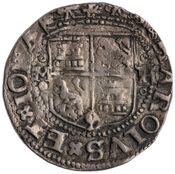
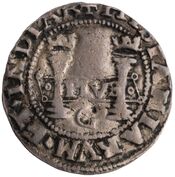
Silver 1 real of Charles V, Holy Roman Emperor, Mexico City
Silver coins dominated the formal colonial economy. The most famous coin was the silver peso, sometimes called the piece of eight, minted in Mexico City with the royal seal. Smaller coins known as reales circulated for everyday transactions.
Mexican silver eventually became one of the most important global currencies of the early modern world.
But many communities did not rely entirely on coins. Rural Indigenous villages often paid tribute through goods and labor rather than money. Common tribute items included
• maize
• beans
• textiles
• chickens
• firewood
• labor days
Local markets known as tianguis still relied heavily on barter exchange. Silver powered empire. Goods and labor sustained daily life. Both systems operated at the same time.
Vanilla: Mexico’s First Global Flavor Monopoly
Before silver flooded European markets, Mexico already held something rare.
Vanilla.
Long before Spanish arrival, Totonac communities in what is now Veracruz cultivated the vanilla orchid. They understood how to grow it, harvest it, cure it, and combine it with cacao in ceremonial drinks.
Vanilla was not originally a dessert flavor. It belonged to a sacred pairing with cacao and Chile. After 1521 Spain did not invent vanilla. They inherited it.
At the time vanilla only grew naturally in Mesoamerica because the orchid depended on a specific pollinator, the Melipona bee. Without that bee the plant produced no pods. For centuries, Mexico remained the only true source of natural vanilla.
Vanilla crossed the Atlantic to flavor European chocolate and elite kitchens, but the knowledge of how to cultivate and cure it remained rooted in Indigenous expertise.
Health
Explore life expectancy, healthcare practices, and common dangers.
Health security was fragile. There was no modern safety net beyond family networks and church charity.
Life Expectancy: If a person survived to age 15, their chances improved significantly. Many adults lived into their 50s. Some reached their 60s. A few into their 70s.
Childhood Survival: Infant and child mortality was high. In some regions, 30 to 50 percent of children may not have reached adulthood. Epidemic years were worse. Stable years were better.
Two Medical Worlds
By 1600, healthcare in New Spain operated through overlapping systems.
In rural communities, Indigenous healing traditions remained central. Healers used deep ecological knowledge passed down for generations. Treatments included herbal remedies, massage, steam baths called temazcal, spiritual cleansing, and plant based medicines. Knowledge was empirical and regionally specific. Spanish settlers often adopted Indigenous remedies when they proved effective.
In cities, Spanish colonial medicine operated through hospitals run by religious orders, university trained physicians in Mexico City, and apothecaries selling imported remedies. Medicine followed humoral theory, which understood illness as imbalance between hot, cold, wet, and dry qualities in the body. Treatments could include bloodletting, purging, cauterization, and herbal infusions.
Effectiveness varied widely in both systems.
Common Health Threats
- Infectious Disease (The Greatest Threat)
Epidemics remained the leading cause of death. Common illnesses included smallpox, measles, typhus, dysentery, respiratory infections, and tuberculosis-like diseases. - Childbirth Complications
- Workplace Injuries
Daily labor was physically dangerous. Mining, farming, and construction exposed workers to burns, crushing injuries, falls, and tool accidents. - Nutritional Stress
Food shortages or limited diets could lead to nutritional deficiencies, especially among the urban poor. - Dental Wear
Heavy tooth wear was extremely common. Maize was ground on stone metates, which introduced tiny mineral particles into the flour. Over decades, this grit gradually eroded teeth, and many adults showed significant wear by middle age.
Social & Family Structure
Who lived together and who held the power?
Let’s sit in a courtyard at dusk in 1600. Someone is grinding maize on a metate. A baby is tied to her back in a woven cloth. An abuela tells stories while chickens wander between doorways. Smoke hangs in the air from the cooking fire. That courtyard is the heartbeat of the century.
Family Structure
Families were close. Intensely close.
Most people did not live in isolated nuclear households the way many do today. The norm was multi generational and communal. Common patterns included:
• Extended family compounds
• Married sons building homes adjacent to parents
• Shared courtyards
• Communal land use in Indigenous towns
In Indigenous pueblos, land was often held collectively. That alone kept families geographically anchored to one another.
In cities, Spanish elites occupied larger homes, but even there the household included more than parents and children. Extended kin, apprentices, servants, and enslaved laborers lived under one roof. The “household” functioned as an economic unit, not just a private family retreat.
Marriage and Authority
By 1600, Catholic marriage law officially governed New Spain. Marriage was monogamous. Church recognition was required. Divorce was essentially prohibited, though separations did occur.
But practice was layered.
Pre contact Indigenous traditions had included arranged marriages, community negotiation, bride service, and in some elite cases polygyny. By 1600, those older systems did not vanish. They adapted within Catholic structure. Families still played a major role in matchmaking and negotiations.
Typical marriage age was young by modern standards. Women often married between 15 and 20. Men between 18 and 25.
Compadrazgo and Social Networks
Compadrazgo became one of the most important social institutions of colonial society.
When a child was baptized, the chosen godparents did more than attend a ceremony. They became ritual kin. That bond created a lifelong alliance between families. It extended networks of obligation, protection, and support.
Compadrazgo functioned as social insurance. In times of hardship, those spiritual ties mattered.
This system blended Indigenous communal values with Catholic sacramental structure. It strengthened community webs rather than replacing them.
Childhood & Parenthood
What was it like to be a kid or raise one?
By age six or seven, most children were already contributing. In rural areas that meant helping in fields, tending animals, gathering firewood, or grinding maize. In towns it might mean assisting in workshops or market stalls. Work was not seen as exploitation. It was participation.
Family was the anchor in a century that had changed violently. Stability came from knowing your place, your duties, and your people.
Parenting Style
Parenting in 1600 was structured and hierarchical.
It leaned:
• Authoritative rather than permissive
• Communal rather than individualistic
• Duty focused rather than self expression focused
Obedience mattered. Respect mattered. Honor mattered.
Schooling
Formal schooling depended heavily on class. Elite boys might study Latin, theology, and writing. Most children learned through apprenticeship and daily labor. Girls were trained in domestic management, weaving, and food preparation.
Pros & Cons of Being a Parent in 1600
Pros
- Strong extended support networks: You were rarely raising children alone.
- Clear social expectations: Roles were defined. Uncertainty was minimal.
- Children contributed economically: By adolescence, they were active labor partners.
- Shared cultural worldview: Religion and tradition offered meaning during hardship.
Cons
- High child mortality: Losing children was tragically common.
- No medical safety net: Illness or injury could quickly become fatal.
- Economic fragility: A failed harvest meant hunger.
- Strict gender expectations: Flexibility in roles was limited.
- Legal patriarchy: Women had fewer formal rights under colonial law.
5 Pros & Cons of Being a Child in 1600
Pros
- Tight knit community: You grew up surrounded by cousins, elders, and ritual kin.
- Outdoor freedom: Fields, animals, rivers, and open space shaped daily life.
- Clear transition into adulthood: Responsibilities were defined and culturally recognized.
- Early skill mastery: You learned tangible, useful competencies.
- Strong cultural identity: Stories, rituals, and faith structured your world.
Cons
- High risk of death: Disease, malnutrition, and accidents were constant threats.
- Early physical labor: Work began young.
- Strict obedience culture: Limited autonomy compared to modern standards.
- Limited formal education: Unless you were elite, schooling was minimal.
- Early marriage: Especially for girls, adolescence was short.
Pets
Animals were part of daily life.
Common animals included:
• Dogs
• Turkeys
• Chickens
• Cats in urban settings
• Parrots in tropical regions
Most animals were functional. Dogs guarded. Chickens and turkeys fed you. Parrots were status or novelty animals in certain regions.
Emotional attachment existed. But practicality came first.
Leisure & Recreation
How did people have fun?
Work dominated daily life in 1600. But leisure existed, and when it appeared, it was communal. Rest was not private escape. It was public participation.
Adults
Popular Games
• Patolli, a pre contact board game using marked beans as dice
• Dice games introduced by Spaniards
• Card games such as early naipes
• Informal gambling in plazas and taverns
Colonial authorities regulated gambling, which tells you it was common enough to worry them. Games were social glue. They happened in courtyards, marketplaces, and along busy streets.
Physical Recreation
• Archery in northern frontier regions
• Horse riding among Spanish and criollo men
• Early bull related events in colonial towns
• Ball games surviving in some Indigenous regions, though less ceremonially than before
• Wrestling matches and strength contests in rural communities
Dance & Social Gatherings
• Indigenous community dances tied to feast days
• Spanish court dances in elite settings
• Blended regional styles already emerging
Festivals were loud and participatory. Movement reinforced belonging.
Taverns & Drinking
Alcohol culture had shifted from the pre contact era.
Before Spanish rule, pulque, the fermented sap of maguey, was ritually important and socially regulated. Among central Mexican societies, elders and ritual figures could drink more freely. Public drunkenness among younger adults could bring punishment.
By 1600:
• Pulque was widely consumed in central Mexico
• Wine was imported and associated with Spanish elites
• Early mezcal production existed in western regions
• Taverns operated in urban centers
Colonial authorities taxed alcohol heavily. Regulation was tied to revenue as much as morality. Drinking became more monetized and more visible, especially in cities.
The shift was not from alcohol to no alcohol. It was from ritual restriction to taxable commodity.
Theater & Religious Drama
Religion structured performance and public spectacle.
• Dramatized biblical stories used by missionaries
• Public plays performed on feast days
• Processions with costumes and staged reenactments
Children & Families
Common Children’s Games
• Chasing games and informal races
• Ball tossing games
• Riddles and storytelling contests
• Miniature bows and small handmade tools
Many games mirrored adult tasks. Practice for responsibility disguised as fun.
Toys
• Carved wooden animals
• Clay figurines
• Corn husk dolls
• Reed whistles
• Small spinning tops
Nothing factory made. Everything handmade. Imagination carried the rest.
Birthdays
Individual birthday celebrations were not central for most people.
More significant were:
• Baptism day
• Saint’s feast day tied to one’s name
• Religious milestones
Communal observances overshadowed personal anniversaries.
Culture, Language & Religion
Explore the worldview, values, and creative expression of the time.
In 1600, religion is everywhere. It is in the plaza, the kitchen, what they fear, and what they hope for.
But here is the twist people often miss. Spain did not erase Indigenous spirituality. It tried to replace it.What actually happened was layering.
An Indigenous worldview that had developed for centuries collided with Catholic theology arriving from Europe. Out of that collision emerged something new, neither purely Spanish nor purely Indigenous.
Religion & Syncretism
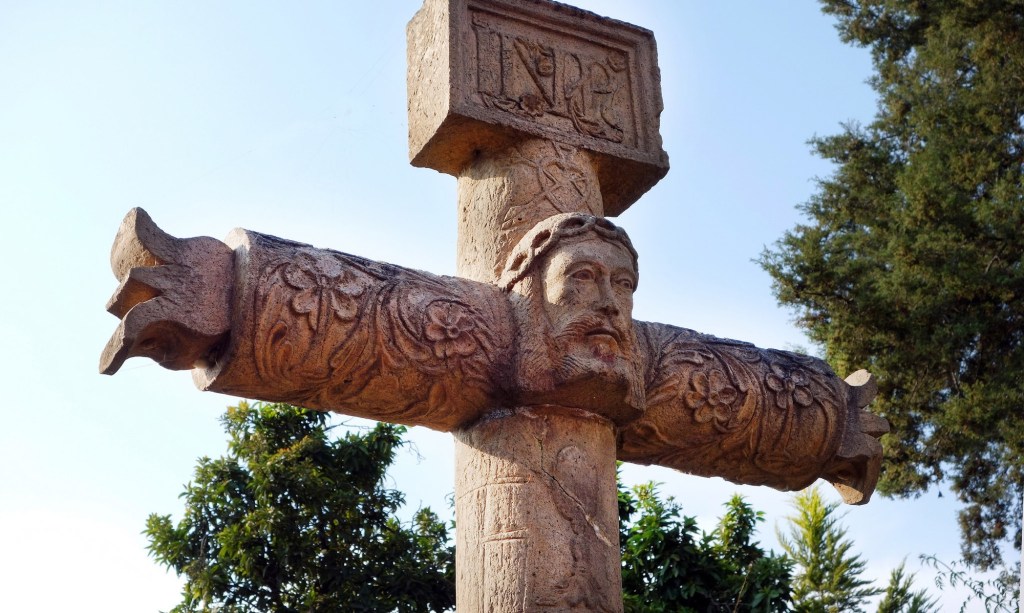
Atrial Cross, San Agustín de Acolman (photo: Steven Zucker, CC BY-NC-SA 2.0)
The atrial cross outside San Agustín de Acolman looks unmistakably Christian at first glance. But look closely and you will see Indigenous design elements carved into the wood. It is a perfect visual metaphor for religion in colonial Mexico. Christian symbols stood on the surface. Indigenous spiritual logic often continued underneath.
Historians call this religious syncretism. It occurs when different belief systems merge and produce something new.
The Spanish Crown promised the pope that colonization would bring Christianity to the Americas. Missionaries quickly followed conquest. Franciscan friars arrived in 1524, only three years after the fall of Tenochtitlan, and were soon joined by Dominicans and Augustinians.
Missionaries quickly realized that teaching Spanish to millions of people was unrealistic, so they learned Indigenous languages instead. Nahuatl in particular became a major language for preaching, confession, and written Christian instruction.
Some missionaries believed they were living in the final stage of human history. According to millenarian interpretations of Christian prophecy, once the Gospel had been preached to every people on earth, the Second Coming of Christ would follow. The discovery of the Americas seemed to confirm this belief. To many friars, the New World had been hidden by God until the moment when Christians were ready to complete the global mission of conversion.
For the Mesoamerican societies at this time, the idea of adopting new sacred figures was not entirely foreign to them. When powerful states expanded, they often introduced their own gods into conquered regions. Communities might continue honoring their traditional deities while also incorporating those of the ruling power.
Because of this precedent, some Indigenous communities approached Catholic figures in a similar way, adding them to an existing spiritual landscape rather than replacing it completely. Festivals shifted dates. Sacred spaces changed names. Ritual logic adapted.
Spain expected replacement, but what emerged was negotiation.What emerged was negotiation.
Suppression, Resistance & Adaptation
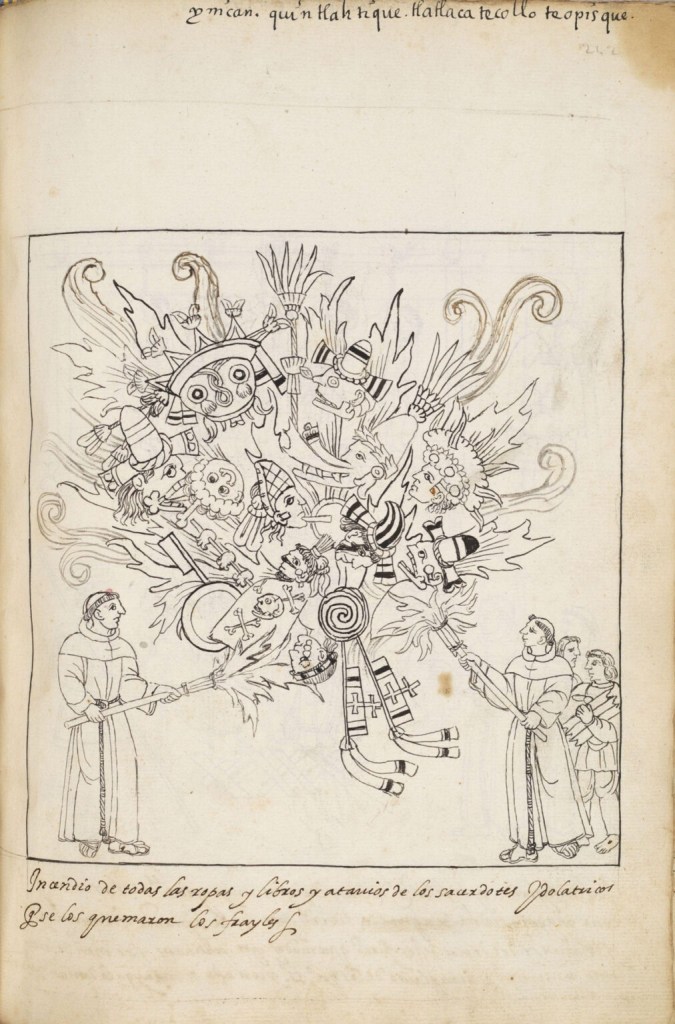
“Burning of Idols,” drawn by an unidentified Indigenous artist, to accompany Diego Muñoz Camargo, Description of the City and Province of Tlaxcala, c. 1581–84 (Ms. Hunter 242, fol. 242r, Glasgow University Library, Scotland, CC BY-NC 4.0)
Missionaries did not rely on persuasion alone. Colonial authorities actively attempted to suppress Indigenous religion. Sacred statues, manuscripts, and ritual objects were burned in what historians sometimes call a “war on images.”
In the famous illustration by Diego Muñoz Camargo, Franciscan friars supervise the burning of Indigenous sacred objects. Two young Tlaxcalan boys are shown bringing wood for the fire, symbolizing Indigenous participation in the destruction of older religious systems.
The people of Tlaxcala had allied with the Spanish against the Mexica during the conquest and became one of the first Indigenous communities to publicly adopt Christianity.
Many sacred texts did not survive these campaigns. Some of the greatest cultural losses in the Americas occurred during the destruction of Indigenous manuscripts. In Yucatán, Franciscan friar Diego de Landa famously burned thousands of Maya ritual objects and books in 1562.
Despite these efforts, Indigenous spirituality did not disappear. In many communities:
• offerings continued at caves, springs, and mountains
• rain rituals were reframed as prayers to saints
• copal incense, candles, and food offerings remained common
• ritual specialists adapted into roles such as curanderos or community healers
Religion moved from the center of public life into quieter spaces. It survived through adaptation.
What Happened to Human Sacrifice?
By 1600, large-scale public human sacrifice in central Mexico had ended.
Before the Spanish arrival, sacrifice in Mexica religion was not random violence. It was part of a complex ritual system tied to temples, priesthoods, warfare, and the sacred calendar. The imperial state organized the ceremonies, trained the priests, and supplied captives through warfare and tribute.
When the Mexica state collapsed in 1521, that entire ritual infrastructure collapsed with it.
Several forces caused this shift:
• Spanish suppression and punishment
• Destruction of temple infrastructure
• Collapse of the Mexica imperial state
• Massive population decline from epidemic disease
Temples were destroyed or repurposed into churches. Priestly hierarchies were targeted. The war-captive system that supplied sacrificial victims disappeared. Spanish authorities punished any continuation harshly.
Without those institutions, large public sacrificial ceremonies became impossible.
However, the historical record suggests the story may not have ended overnight.
Colonial documents occasionally reference isolated ritual killings during the early decades after conquest. These reports are rare and sometimes exaggerated by Spanish officials, but they do appear.
Evidence from colonial records suggests:
• 1520s–1530s: Spanish sources occasionally accuse communities of continuing sacrifices in secret, though many of these claims are uncertain or overstated.
• 1560s–1570s: Some colonial trials mention ritual killings connected to investigations of “idolatry,” but they appear to have been rare and localized.
• Frontier regions such as Yucatán may have seen occasional ritual killings persist longer than in central Mexico.
Most historians believe that institutional sacrificial systems ended almost immediately after the conquest, while very rare clandestine acts may have continued for a few decades in isolated areas.
What changed was not just belief it was infrastructure. Mexica public religion depended on temples, priests, tribute networks, and a political state capable of organizing large ritual events. When those structures were dismantled, the religious system had to transform.
Some communities reinterpreted cosmic balance in new ways. Catholic theology presented Christ’s crucifixion as the ultimate once-and-for-all sacrifice, which allowed older ideas about cosmic balance to be reframed within Christian symbolism.
1521–1600 Timeline: Conquest, Crisis, and Adaptation
1521–1530 — Shock and restructuring
Temples were destroyed or repurposed, churches rose in their place, and mass baptisms began across central Mexico. Indigenous elites often converted early, sometimes to protect their political status under the new colonial system.
1530s–1540s — Evangelization and revolt
Missionaries expanded rapidly, while rebellions such as the Mixtón War revealed that conversion was far from universally accepted.
1540s–1580s — Epidemics reshape society
Massive disease outbreaks devastated Indigenous populations, weakening resistance and reshaping spiritual life.
1560s: Anti-Idolatry Campaigns
Church authorities intensified crackdowns on Indigenous religious practices. The 1562 Maní incident in Yucatán saw Maya religious objects and manuscripts burned led by Diego de Landa.
1571 onward: Institutional Religious Control
The Mexican branch of the Spanish Inquisition began operating in the early 1570s. While it primarily targeted Europeans, Church authorities also pursued cases of Indigenous “idolatry,” revealing that older beliefs continued resurfacing.
Art & Visual Culture
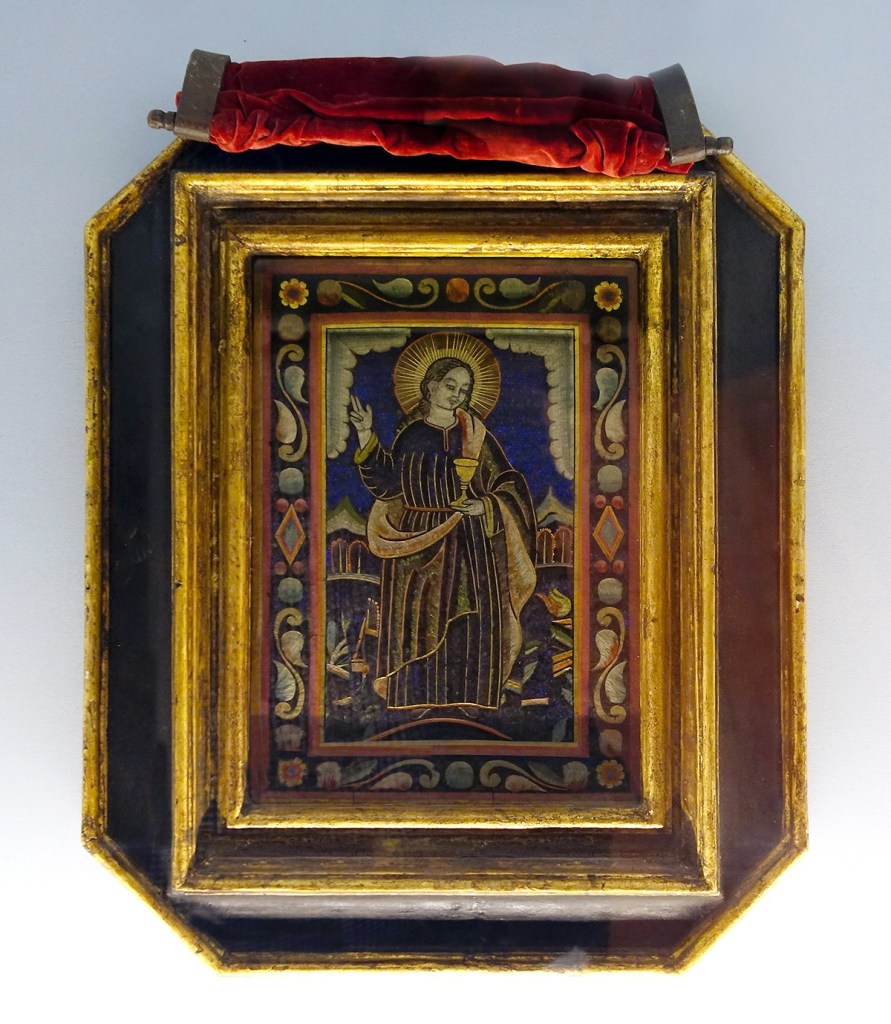
Saint John the Evangelist, 17th century, feather mosaic and paper on copper (Collection of Daniel Liebsohn, loaned to Museo Nacional de Arte, Mexico City)
Art in 1600 New Spain reflects cultural collision.
Spanish Christian imagery arrived with missionaries and colonists, but Indigenous artists shaped how that imagery actually looked.
Historians sometimes describe this blended style as tequitqui art.
Tequitqui refers to artistic traditions produced during the colonial period in which Indigenous artists reinterpreted European forms through their own visual language. The result was a hybrid aesthetic, neither purely Spanish nor purely Indigenous.
Common artistic media included:
• Featherwork, using iridescent bird feathers to create Christian devotional images
• Murals and devotional paintings in monasteries and churches
• Architecture, with European church layouts built using Indigenous labor and materials
• Indigenous manuscripts, combining pictorial traditions with alphabetic writing
Languages & Literacy
Mexico in 1600 was deeply multilingual.
Spanish dominated government, courts, and official church administration, but it was far from the only language in daily use. Major languages included:
• Spanish, used by colonial officials and settlers
• Nahuatl, widely spoken across central Mexico and used as a colonial lingua franca
• Maya languages, dominant in Yucatán and southern regions
• Mixtec and Zapotec languages, widely spoken in Oaxaca
• many additional regional languages
Written culture expanded during the colonial period. Missionaries and Indigenous scribes began using the Latin alphabet to write Indigenous languages. Nahuatl in particular became a major written language for legal documents, wills, petitions, land records, and historical chronicles.
Alphabetic Maya writing also expanded during the colonial era for local records and religious texts.
Literacy was uneven. Spanish clergy and colonial elites were typically literate, while many Indigenous towns relied on trained scribes to maintain records. In rural areas, oral traditions remained the dominant way knowledge was preserved and transmitted.
Written culture existed—but it was concentrated in specific roles within society.
Historical Context
Major political, demographic, institutional, and cultural developments shaping Mexico between 1521 and 1600.
1521–1535: From Conquest to Crown Control
When Tenochtitlan fell in 1521, Spain did not immediately install a stable colonial state. The first fourteen years were unstable and improvised.
Hernán Cortés governed as a military conqueror. He redistributed land and labor through encomiendas, repurposed tribute systems, and rewarded loyal soldiers. Indigenous administrative structures were not erased, they were redirected.
But Spain is not a modern centralized state in the 1520s. It is a monarchy trying to hold together enormous territories. From the perspective of King Charles V, Cortés was a problem. He had:
- Disobeyed orders
- Conquered a powerful empire
- Controlled vast wealth
- Distributed land and labor
- Built personal loyalty networks
Spain does not like independent feudal lords in overseas colonies. That’s how you get rebellions.
For a time, Cortés ruled as Governor and Captain General. That level of authority, across an ocean, was dangerous. The Crown responded strategically. Investigators were sent and in 1528, Cortés was stripped of the governorship. In 1535, the Crown formalized control by creating the Viceroyalty of New Spain and appointing Antonio de Mendoza as viceroy.
Governing at a Distance
Spain governed its American territories through layered institutions designed to prevent any one colonial figure from becoming too powerful.
The Council of the Indies, founded in 1524 and based in Seville, oversaw judicial, legislative, military, financial, and ecclesiastical matters for Spain’s overseas territories.
The Casa de Contratación, also in Seville, regulated trade, immigration, taxation, and shipping. It protected Spain’s trade monopoly.
In New Spain itself, audiencias (royal courts) handled judicial and administrative matters and acted as a check on executive power.
The viceroy represented the king and managed military, fiscal, and administrative affairs.
But distance mattered. Because Mexico was far from Spain and communication took months, government officials in the colonies often wielded more power in practice than their counterparts in Spain did. Royal decrees were filtered through local realities.
The colonial phrase captured it:
“Obedezco pero no cumplo.”
“I obey, but I do not comply.”
Authority flowed from Spain, but it was negotiated on the ground.
Encomienda and Segregation
To manage land and labor, New Spain was divided into encomiendas.
In theory:
Encomenderos were granted the right to receive tribute and labor from Indigenous communities. They were responsible for the well-being of those under their charge and for ensuring their Christian instruction.
In practice:
Most encomenderos exploited and abused the Indigenous laborers assigned to them. Furthermore, many Spaniards lived in cities rather than on rural estates. Their lands were often overseen by mayordomos (supervisors), allowing them to remain socially and physically distant from those doing the labor.
Laws were also passed restricting Indigenous people from living in Spanish-designated zones and vice versa. This formalized spatial segregation between conquerors and conquered. At the same time, missionaries sometimes supported this separation, arguing it protected Indigenous converts from the perceived moral corruption of Spaniards.
1531: The Emergence of Guadalupe
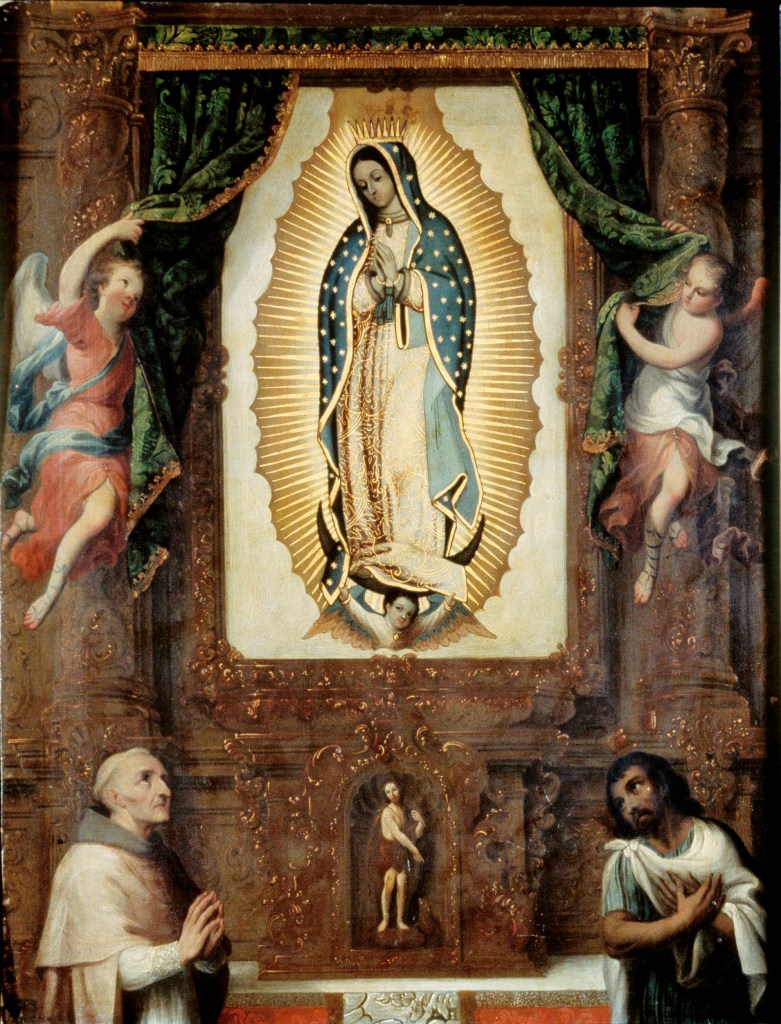
Around 1531, according to later tradition, an Indigenous man named Juan Diego experienced visions of the Virgin Mary at Tepeyac, north of Mexico City. She was said to have spoken to him in Nahuatl. In his vision, Juan Diego claimed she directed him to build a church, and that her image miraculously appeared on his cloak.
A shrine was eventually built at the site, and by the late 1500s, devotion to Our Lady of Guadalupe was growing rapidly. Whether approached devotionally or historically, what matters is this:
Guadalupe became a bridge symbol. She stood at a site that had long been associated with sacred presence before the conquest. A pre-contact shrine to an Aztec mother goddess, Tonantzin, also a protector had existed there. The Spanish destroyed that shrine and replaced it with one dedicated to the Virgin Mary.
But the transformation was not simple replacement. In images, Guadalupe appears in a European Marian style, yet with dark skin. She stands upon a crescent moon and is surrounded by rays of sunlight (visual elements deeply resonant within Indigenous cosmology).
Indigenous converts adopted her as protector. Some still referred to her as Tonantzin “our mother.” The Lady of Guadalupe is an example of the complicated negotiation between Indigenous belief and colonial conversion. The site had drawn pilgrims before the Spanish arrived, and it continued to do so after. The figure may have changed in theology, but the reasons people prayed, protection, fertility, intercession, belonging, remained familiar.
1551: Royal and Pontifical University of Mexico
In 1551, the Royal and Pontifical University of Mexico was founded. It became one of the earliest universities in the Americas.
Theology, law, medicine, and philosophy were taught. Literacy among elites expanded. Clerical and bureaucratic training became institutionalized.
1545–1576: Cocoliztli and Demographic Collapse
If conquest reshaped politics, epidemic reshaped existence.
The Nahuatl word cocoliztli means “pestilence.” It refers to catastrophic epidemic waves between:
- 1545–1548
- 1576–1581
These were not simple smallpox recurrences. Many scholars believe they may have been hemorrhagic fevers, possibly intensified by drought and famine conditions. Symptoms described in colonial accounts include:
- High fever
- Bleeding
- Jaundice
- Rapid death
Some scholars estimate the 1545 outbreak alone may have killed 5 to 15 million people across Mesoamerica. It is one of the largest demographic collapses in human history.
The demographic shock still defined Mexico in 1600.
Frontier Conflict: The Chichimeca War (1550–1590)
Spanish expansion northward encountered sustained resistance from Indigenous groups collectively labeled “Chichimeca.” The war lasted roughly forty years.
Initial strategy relied heavily on military suppression. Over time, Spain shifted toward negotiated peace, missionary settlements, and economic incentives.
Environmental Hardship
The late sixteenth century overlapped with the global Little Ice Age. Mexico experienced:
- Severe droughts in the 1570s
- Crop failures
- Regional famine
Environmental stress layered onto epidemic collapse. Agricultural societies felt this immediately.
The Archive Expands: Codices and Indigenous Record Keeping
Temples were destroyed. Sacred objects were burned. But memory did not disappear. Indigenous scribes began producing alphabetic documents in Nahuatl and other languages. They wrote:
- Land titles
- Wills
- Petitions
- Town histories
- Tribute records
One of the most important works of the period is the Florentine Codex, compiled in the late 1500s by Fray Bernardino de Sahagún in collaboration with Nahua scholars. It documents religion, daily life, ritual, medicine, social organization, and the conquest itself.
Each page contains parallel columns in Nahuatl and Spanish. The Nahuatl text preserves Indigenous voice directly. The Spanish column often abbreviates or reframes it. The illustrations sometimes depict violence and destruction more vividly than the Spanish translations admit. Other significant manuscripts include:
- Codex Mendoza, recording tribute and Mexica political history
- The Codex Badianus, preserving Indigenous medicinal knowledge
- Mixtec and Zapotec genealogical codices used in colonial courts to defend land claims
Music & Instruments
What did it sound like?
Music did not disappear after 1521. It transformed. By 1600, three musical worlds overlapped across New Spain:
• Indigenous musical traditions that had existed long before Spanish arrival
• European sacred and court music introduced by colonists and missionaries
• African rhythmic traditions arriving through enslaved populations, especially in coastal regions
These influences did not merge instantly. But they began sharing space in churches, plazas, festivals, and communities. The result was a layered soundscape.
Indigenous Instruments Still in Use
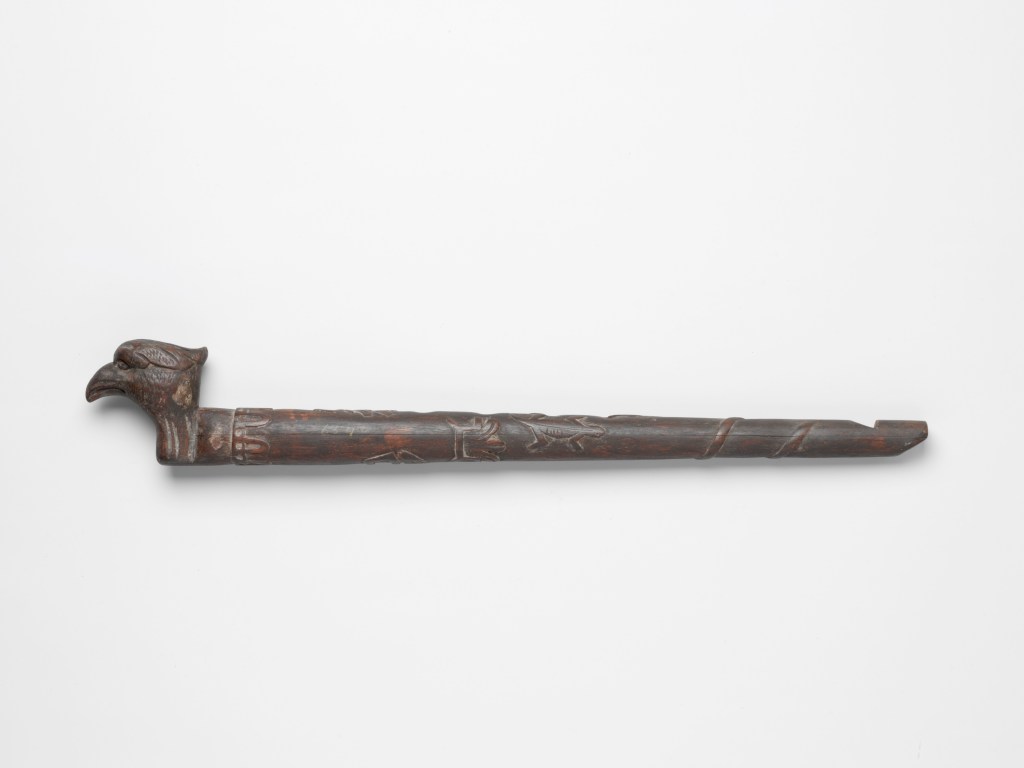
Many Indigenous instruments continued to be used, particularly in rural areas and local ceremonies. Common examples included:
• Huehuetl: a vertical wooden drum played with the hands
• Teponaztli: a horizontal slit drum carved from wood and struck with mallets
• Clay flutes
• Bone whistles
• Conch shell trumpets
• Reed flutes
• Rattles made from gourds or shells
These instruments appeared in:
• Community dances
• Ritual processions
• Agricultural ceremonies
• Seasonal festivals
The sound profile was often percussive, breath-driven, and rhythmic, emphasizing drums, wind instruments, and repetition suited to dancing and ceremony. Despite colonial suppression of many ritual practices, these musical traditions never disappeared.
Spanish Introduced Instruments
After the conquest, European instruments arrived quickly and spread through churches, towns, and elite households. Common instruments included:
• Vihuela: a Spanish string instrument, ancestor of the guitar
• Early baroque guitar
• Lute
• Harp
• Viol (early violin-family instruments)
• Pipe organs in major churches
• Trumpets and shawms used in ceremonies
Church institutions became major musical centers. Cathedrals trained Indigenous choirboys and musicians, and by the late 1500s Mexico City had fully developed cathedral choirs performing complex European sacred music.
African Rhythmic Influence
African musical traditions entered New Spain through enslaved populations and free Afro-descendant communities. Musical characteristics included:
• Layered percussion rhythms
• Call-and-response singing
• Dance-centered performance
By 1600 this influence was still emerging, but it would become foundational in later regional styles such as son jarocho.
Even in the early colonial period, these rhythmic traditions were already interacting with Indigenous and Spanish musical practices.
Emerging Musical Genres Around 1600
- Villancico: A religious song form performed during major feast days, especially Christmas. Villancicos were often written in Spanish or sometimes Indigenous languages and could be playful, theatrical, or narrative in tone. They blended European musical structure with local cultural influences.
- Early Son Traditions: In rural and coastal regions, dance music combining Indigenous, Spanish, and African elements began to appear. These traditions were not yet fully defined genres, but they laid groundwork for later regional son styles.
- Sacred Polyphony: Multi-voice choral music performed in cathedrals and major churches. The structure was European, but performers increasingly included Indigenous and locally trained musicians. By the end of the sixteenth century, New Spain had become a significant center for sacred music production.
A “1600 Mexico” Inspired Listening List
We do not have surviving recordings from colonial Mexico, but we do have music written by composers active in New Spain or widely performed there.
These pieces help approximate the sound world of the period.
- Hernando Franco — Salve Regina
Franco worked in Mexico in the sixteenth century. His music represents cathedral polyphony performed in New Spain. - Juan Gutiérrez de Padilla — Deus in adiutorium
An early seventeenth-century composer active in Puebla Cathedral. - Gaspar Fernandes — Xicochi Conetzintle
A Nahuatl Christmas villancico written in colonial Mexico. - Tomás Luis de Victoria — O Magnum Mysterium
A Spanish composer whose sacred music circulated widely in colonial cathedrals. - Reconstructed Teponaztli Drum Music
Modern Indigenous ensembles perform reconstructions using traditional instruments.
Together these pieces reflect the three overlapping sound worlds of early colonial Mexico: Indigenous percussion, European sacred music, and emerging cultural blending.
Media You Can Watch or Read Today
Continue your journey with these books and movies.
Adult Media
Films & TV (Colonial Mexico & Conquest Era)
- La Otra Conquista (1998)
Language: Spanish & Nahuatl; Subtitled: English available
A quiet, powerful film about an Indigenous man navigating religious conversion after the conquest. Instead of focusing on battles, it shows spiritual transformation on the ground, saints replacing older gods but never fully erasing them. Slow, reflective, and deeply atmospheric. - Hernán (2019)
Language: Spanish, Nahuatl, and Maya; Subtitled: English available
A historical drama about Cortés and the conquest told through multiple perspectives, including Indigenous leaders. Cinematic but grounded enough to give a sense of the political and cultural upheaval that shaped Mexico leading into the 1600s. - Malinche (2018)
Language: Spanish and Indigenous languages; Subtitled: English available
Focuses on the life of Malintzin, Cortés’ interpreter and cultural intermediary. The show explores language, identity, and cultural negotiation during the conquest. - Cabeza de Vaca (1991)
Language: Spanish; Subtitled: English available
Follows a Spanish explorer wandering through Indigenous societies across northern Mexico. Atmospheric and anthropological, it offers one of the most immersive cinematic looks at Indigenous spirituality and daily life during the early colonial era. - La Ruta del Mezcal (Documentary)
Language: Spanish; Subtitled: English available
A cultural documentary exploring mezcal traditions rooted in Indigenous distillation practices. It helps visualize rural life, agave landscapes, and traditions that trace back into the colonial period. - Apocalypto (2006)
Language: Yucatec Maya; Subtitled: English available
Set pre-contact, but visually helpful for imagining Indigenous environments and village life that still existed in some regions during the early colonial period. - The Mission (1986)
Language: English; Spanish subtitles available
Set in colonial South America rather than Mexico, but extremely helpful for understanding missionary activity, Indigenous conversion, and colonial power structures during the same period.
Historical Fiction & Nonfiction Books
- Aztec – Gary Jennings
Language: English; Spanish translation available (Azteca)
A fictional autobiography of an Aztec man who lives through the arrival of the Spanish. Immersive and rich in daily-life detail. Not a scholarly work, but excellent for imagining what it felt like to live through the collapse of the Mexica world. - Malinche – Laura Esquivel
Language: Spanish; English translation available
A poetic historical novel exploring the life of Malintzin and the spiritual collision between Indigenous cosmology and Christianity. - Broken Spears: The Aztec Account of the Conquest of Mexico – Miguel León-Portilla
Language: Spanish; English translation available
A collection of Indigenous accounts drawn from Nahuatl sources. Essential reading for understanding the conquest from Nahua perspectives. - When Montezuma Met Cortés – Matthew Restall
Language: English; Spanish translation available
A myth-busting history that dismantles popular conquest narratives and explains how colonial society actually formed. - The True History of the Conquest of New Spain – Bernal Díaz del Castillo
Language: Spanish; English translation available
Written by a Spanish soldier who participated in the conquest. Biased but vivid, offering firsthand descriptions of cities, markets, religion, and warfare. - 1493: Uncovering the New World Columbus Created – Charles C. Mann
Language: English; Spanish translation available
This explores how the discovery of the Americas reshaped the entire world through the Columbian Exchange, moving crops, animals, diseases, and trade across continents. It explains how American silver, food crops, and global trade networks transformed Europe, Africa, and Asia. - 1491: New Revelations of the Americas Before Columbus – Charles C. Mann
Language: English; Spanish translation available
A companion work exploring Indigenous societies in the Americas before European arrival. It helps readers understand the complex civilizations that existed before colonial transformation.
Kids
Preschool (Ages 3–6)
- Dora the Explorer (select episodes)
Language: English; Spanish versions available
Age: 3–6
Not historical, but introduces Spanish vocabulary, landscapes, and animals from Latin America in a playful format that builds early cultural familiarity. - Coco (2017)
Language: English; Spanish versions available
Age: 5–10
Not set in 1600, but deeply rooted in the blending of Indigenous and Catholic traditions that developed during the colonial period. It helps children understand family, remembrance, and cultural continuity.
Early Elementary (Ages 6–9)
- The Golden Flower: A Taino Myth from Puerto Rico – Nina Jaffe
Language: English; Spanish editions available
Age: 6–9
Not Mexico specifically, but introduces Indigenous Caribbean life around the time of early colonization. - The First Rule of Punk – Celia C. Pérez
Language: English; Spanish editions available
Age: 8–12
A modern story exploring Mexican identity and cultural blending, including Catholic and Indigenous influences.
Middle Grade (Ages 8–12)
- Aztec News – Philip Steele
Language: English; Spanish edition available
Age: 8–12
Written like a newspaper from the Aztec world. Helps kids understand the society that transformed into colonial Mexico. - The Sad Night: The Story of an Aztec Victory and a Spanish Loss – Sally Schofer Mathews
Language: English; Spanish editions available
Age: 8–12
Explains La Noche Triste in a way older elementary readers can grasp. - Malinche (Graphic Novel Adaptations)
Language: Spanish originals exist; some English translations available
Age: 10–14
Illustrated adaptations of Malintzin’s story make the cultural collision of conquest accessible for older children. - Las Leyendas (Netflix)
Language: Spanish; English dub/subtitles available
Age: 8–12
A supernatural adventure series drawing from Mexican folklore and myth.
Would you thrive in colonial Mexico around 1600 or struggle without modern comforts like plumbing, refrigeration, and podcasts?
Tell me what part of this world you’d find most fascinating (or most terrifying) in the comments or on social!
 Time Traveling Table
Leave a comment