
Just so we’re all on the same page. Please ensure you’ve made yourself acquainted with my disclaimer
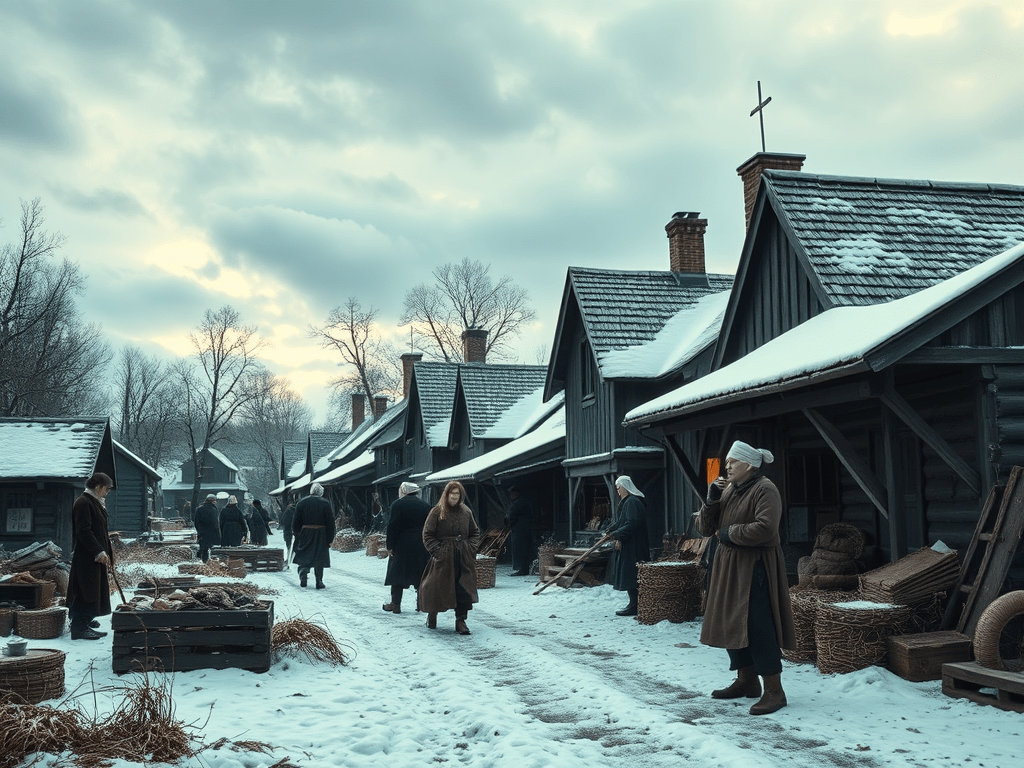
Life in 1700 AD in what would become the United States was shaped by European colonization, Indigenous cultures, the transatlantic slave trade, and the challenges of survival in a frontier society. Here’s an overview to provide insight into daily life and conditions of the time:
Population
Total people living in future U.S. (including all groups): Roughly 775,000 to 1.3 million
- Europeans: Approx. 250,000 – Concentrated along the East Coast in settlements like Jamestown (Virginia), Boston (Massachusetts), and Charleston (South Carolina).
- Indigenous Peoples: 500,000 to 1,000,000 – Populations were declining due to European diseases, warfare, and displacement.
- Enslaved and Free Africans: Around 30,000-35,000 people, with numbers increasing due to the transatlantic slave trade.
Climate and Average Temperatures
During the late 17th and early 18th centuries, the Little Ice Age influenced global climates, leading to cooler temperatures across North America.
- Northeast and Midwest:
- Winters: Harsh, with average temperatures often below freezing, ranging from 20–30°F (-6 to -1°C).
- Summers: Milder, with averages around 70–80°F (21–27°C).
- Southeast:
- Winters: Mild, averaging 40–50°F (4–10°C).
- Summers: Hot and humid, with temperatures between 80–90°F (27–32°C).
- Great Plains:
- Winters: Cold, averaging 20–30°F (-6 to -1°C).
- Summers: Warm, with averages around 75–85°F (24–29°C).
- Southwest:
- Winters: Mild, with temperatures around 50–60°F (10–15°C).
- Summers: Hot, often exceeding 90°F (32°C).
Diet (Staple Foods and Drinks)
Europeans
- Staples:
- Grains & Bread: Corn (maize), wheat, and rye for bread, mush, and porridge.
- Proteins & Dairy: Pork, beef, wild game, fish, shellfish, milk, butter, and cheese.
- Fruits & Vegetables: Squash, beans, potatoes, apples, peaches, berries, with honey or maple syrup for sweetening.
- Drinks:
- Everyday Drinks: Hard cider, beer, and ale were common and safer than water.
- Luxury Beverages: Tea and rum were enjoyed by those who could afford them.
Indigenous Peoples
- Staples: Corn (maize), beans, squash (known as the “Three Sisters”), supplemented by hunting (deer, buffalo) and fishing.
- Regional Variations:
- Plains Tribes: Relied heavily on buffalo
- Coastal Tribes: Diet rich in fish, shellfish, and marine mammals.
Africans
- Rations: Cornmeal, salted meats, and molasses; supplemented with personal gardens when possible.
Clothing
European
- Men: Breeches, shirts, waistcoats, and tricorn hats. Wool and linen were common fabrics.
- Women: Gowns, petticoats, aprons, and caps. Wealthier women wore silk or brocade.
- Shoes: Leather with buckles; boots for working men.
- Clothing was largely homemade or purchased from local artisans.
Indigenous Peoples
Clothing:
- Materials: Animal hides, furs, and plant fibers.
- Designs: Varied by tribe; often decorated with beads, quills, and dyes.
Africans
- Issued Garments: Coarse linen or wool; minimal and often inadequate.
Housing
- Colonists: Simple wooden or wattle-and-daub houses with one or two rooms. Wealthier families had multi-story brick or timber-frame homes.
- Indigenous Peoples: Lived in longhouses, wigwams, or earth lodges, depending on their region.
- Enslaved People: Often lived in crude, one-room cabins with dirt floors. Overcrowded and poorly constructed.
Health Outlook
Europeans
- Childhood Mortality: 50% of children died before age 5 due to disease, malnutrition, or accidents.
- Life Expectancy: Around 35-45 years, though if you survived childhood, you could live into your 60s or 70s.
- Medicine: Primitive and based on humoral theory (balance of blood, phlegm, black bile, and yellow bile). Treatments included bloodletting, herbal remedies, and poultices.
- Common Diseases: Smallpox, dysentery, malaria, and tuberculosis.
Indigenous Peoples
- Challenges: Introduction of European diseases led to significant population declines.
- Traditional Medicine: Relied on herbal remedies and spiritual healing practices.
Africans
- Harsh Conditions: High mortality rates due to overwork, poor nutrition, and lack of medical care.
Social Structures
Europeans
- Monogamy: The norm, influenced by Christian beliefs.
- Marriage: Women typically married at 16–20 years old; men married later, often at 20–25 years old.
- Children: Families had 6–8 children on average, though not all survived to adulthood.
- Social Hierarchy:
- Wealthy landowners and merchants held power.
- Artisans and small farmers formed the middle class.
- Enslaved people and indentured servants were at the bottom.
Indigenous Peoples
- Organization: Varied; many tribes had clan systems and were often matrilineal.
- Marriage: Practices differed; some tribes allowed polygamy, while others were monogamous.
Africans
- Family: Families were often separated; strong kinship bonds formed within enslaved communities.
Recreation and Pastimes
Europeans
- Games: Marbles, dice, ninepins (early bowling), and card games.
- Children’s Play: Hopscotch, tag, and homemade toys (dolls, hoops).
- Leisure: Storytelling, singing, and dancing at community gatherings.
Indigenous People
- Games: Lacrosse (originating from Indigenous cultures), foot races, and archery.
- Art: Pottery, weaving, beadwork, and storytelling were integral to cultural expression.
African
- Music and Dance: Vital for cultural expression and resistance; led to the development of spirituals and other musical forms.
Musical Instruments
Musical instruments in colonial America varied depending on cultural and ethnic backgrounds. Common instruments included:
European Influence
- Violin/Fiddle:
- Played in social gatherings, dances, and formal events. Often accompanied by other string instruments.
- Flute/Recorder:
- Used in churches, parlors, and outdoor events. These were popular for their portability and melodic tone.
- Harpsichord/Spinet:
- Found in wealthier homes, often used for parlor music and formal occasions.
- Drums:
- Used for military signaling, celebrations, and dances.
- Hurdy-Gurdy:
- A stringed instrument played by turning a crank. It was popular for folk music.
African Influence
- Banjar (early banjo):
- Introduced by enslaved Africans, it became a cornerstone of folk music and plantation life.
- Percussion Instruments:
- Including rattles, drums, and clapping, used in community gatherings and ceremonies.
Indigenous Influence
- Flutes:
- Native American flutes were used for storytelling, ceremonies, and personal meditation.
- Drums:
- Central to rituals and communal activities, often made from natural materials like wood and animal hides.
- Rattles:
- Made from gourds or carved wood, used in ceremonial and spiritual practices.
Religion and Faith
Europeans
- Predominantly Christian (Puritans in New England, Anglicans in the South).
- Quakers and other dissenting groups grew in Pennsylvania.
Indigenous Peoples
- Deep spiritual connection to nature; practices and beliefs varied widely among tribes.
- Indigenous religions persisted despite missionary efforts.
African
- Blended African spiritual traditions with Christianity, leading to unique religious practices.
Art, Language, and Writing
Europeans
- Art: Practical crafts (quilting, woodworking) and portraits for the wealthy.
- Language: English was dominant among colonists, with French, Dutch, and Spanish languages also spoken.
- Writing: Primarily practical—letters, diaries, and religious texts. Printing presses produced newspapers and almanacs.
Indigenous People
- Hundreds of distinct languages; oral traditions were paramount.
African
- Developed creole languages; oral traditions preserved histories and stories.
Tools
Europeans
- Axes, hoes, plows, spinning wheels, looms, and iron cookware. Firearms and simple carpentry tools were essential.
Indigenous Peoples
- Crafted from stone, bone, and wood; included bows, arrows, fishing gear, and farming implements.
Africans
- Primarily agricultural implements; skilled artisans also used specialized tools in trades like blacksmithing and carpentry
Major Cultural Moments (1651–1700)
1650s
- Expansion of English Colonies:
- English settlers continued expanding into Native American territories, leading to increasing conflicts and the displacement of Indigenous peoples.
- The Pequot War (1636–1638) had already decimated the Pequot people, but the fallout continued to shape the region.
- Quaker Migration (1656):
- Quakers began arriving in New England, promoting ideas of equality and nonviolence. However, their beliefs clashed with Puritan authorities, leading to persecution.
1660s
- Restoration of the English Monarchy (1660):
- The return of King Charles II after the English Civil War brought increased royal control over the colonies, marking a shift in governance and trade policies.
- The Half-Way Covenant (1662):
- In New England, Puritan churches adopted this agreement to allow partial church membership for children of baptized but unconverted parents. This reflected changing religious attitudes.
- Rise of Slavery in the South:
- By the late 1660s, Virginia passed laws codifying racial slavery, marking the formal establishment of slavery as a system of labor and societal hierarchy.
1670s
- King Philip’s War (1675–1678):
- A devastating conflict between Native American tribes led by Metacomet (“King Philip”) and English settlers in New England. It resulted in significant casualties and the near destruction of Indigenous resistance in the region.
- Bacon’s Rebellion (1676):
- In Virginia, Nathaniel Bacon led a revolt of settlers against Governor William Berkeley over issues like Native American policies and economic grievances. This rebellion highlighted tensions between the wealthy elite and poorer settlers.
1680s
- Pueblo Revolt (1680):
- Indigenous Pueblo people in present-day New Mexico successfully revolted against Spanish colonizers, reclaiming their land and culture for over a decade.
- Glorious Revolution (1688):
- This event in England replaced King James II with William and Mary, leading to the collapse of the Dominion of New England. Colonists regained local control, and the revolution reinforced the growing spirit of self-governance.
- The First African Slave Revolts:
- Early signs of resistance among enslaved Africans began to emerge in the colonies, laying the groundwork for later uprisings.
1690s
- Salem Witch Trials (1692–1693):
- Fear of witchcraft reached its peak in Salem, Massachusetts, with widespread hysteria leading to accusations, trials, and executions, with a total of 20 people being executed
- King William’s War (1689–1697):
- The first of the French and Indian Wars, this conflict between France and England extended into their colonies, involving Native American allies on both sides.
- Printing and Literacy:
- The first newspapers began appearing in the colonies, including Publick Occurrences Both Forreign and Domestick (1690). This was a key moment in the spread of information and colonial literacy.
Cultural Context and Legacy
- Religion: This was a deeply religious era, dominated by Puritanism in New England and Anglicanism in the South. Religious dissenters like Quakers and Baptists faced persecution.
- Colonial Society: Increasing tensions between Native Americans, settlers, and enslaved people defined the era.
- Economy: The triangular trade flourished, linking the colonies to England, Africa, and the Caribbean in a system of goods, labor, and enslaved individuals.
- Education: Institutions like Harvard (founded in 1636) and the establishment of grammar schools reflected a focus on education, particularly in New England
This paints a detailed picture of life in 1700s America, highlighting both the opportunities and hardships of the time.
Entertainment
Suggested Playlist
While recordings don’t exist from this era, you can listen to authentic recreations and music influenced by the time:
European Music
- “Greensleeves“ – A well-known English folk tune that had been popular since the late 1500s and was still commonly played on instruments like the harpsichord, fiddle, or flute.
- “The Roast Beef of Old England“ – A patriotic English song composed in the early 1700s, often played in taverns and homes, celebrating traditional English life and values.
African-American Roots
- “Go Down, Moses“
- A well-known spiritual that likely existed in some form during the 1700s.
Native American Music
- R. Carlos Nakai
- Reflects Indigenous music played on traditional flutes.
Folk & Dance Tunes
- Colonial Dance Tunes
- Collections such as “The English Dancing Master” by John Playford (1651) were still popular and used for social dances.
For Adults:
- “A Separate Place” by Mary E. Pearce (Book)
- A historical novel portraying rural life and community challenges in colonial America during the early 18th century.
- “Caleb’s Crossing” by Geraldine Brooks (Book)
- Based on the true story of Caleb Cheeshahteaumuck, the first Native American graduate of Harvard College in 1665, with continued insights into colonial relationships and Native life into the early 1700s.
- “Salem Witch Judge” by Eve LaPlante (Book)
- A biography of Judge Samuel Sewall, focusing on his life after the witch trials and his attempts to reconcile the religious fervor of the late 17th century with enlightenment ideas emerging by the 1700s.
- The Crucible (Movie)
This 1996 film adaptation of Arthur Miller’s play is set during the Salem witch trials of 1692. While just before the 1700s, it provides historical context relevant to early 18th-century America. - The Scarlet Letter by Nathaniel Hawthorne – A fictional but deeply researched novel set in Puritan New England during the late 1600s, exploring themes of morality and societal judgment.
- Podcast: Unobscured (Season 1, by Aaron Mahnke) – A detailed historical podcast focusing on the Salem witch trials.
- Podcast: Ben Franklin’s World
For Children:
- “The Sign of the Beaver” by Elizabeth George Speare (Book)
- Set in the early 1700s, this novel explores the friendship between a young settler boy and a Native American boy in the wilderness of Maine.
- “Twelve Moons: A Year Under the Cherokee Moon” by T. Taylor (Book)
- This book introduces children to the Cherokee calendar and culture through the life of a Cherokee girl in the 1700s.
OG Meal Plan (Using Only 1700s Ingredients & Tools)
Breakfast (Earlier in the Day)
Beverage:
- Herbal tea (such as mint, chamomile, or sage) or plain water.
Meal:
- Cornmeal Porridge: Cornmeal slowly simmered in water or milk, sweetened with honey or maple syrup. Dried apples or raisins may be added for extra flavor. Cooked over an open fire in an iron pot and stirred with a wooden spoon.
Dinner
Appetizer (Light Snack):
- Pickled Vegetables: A selection of pickled cucumbers, onions, or carrots, prepared in brine and stored in wooden barrels or clay pots.
Entrée:
- Rustic Sausages: Coarsely ground pork, seasoned with salt, pepper, and sage, stuffed into natural casings and slow-cooked in a cast iron skillet over an open fire.
Side:
- Potato Chowder: A simple, creamy soup made with potatoes, onions, salt pork, and water, thickened with fresh cream or milk if available. Cooked in an iron pot over the hearth.
Side:
- Succotash: A hearty blend of stewed corn and beans (such as cranberry beans), cooked with salt pork or butter for added richness.
Dessert:
- Apple Crisp: Sliced tart apples baked with a topping of oats, flour, butter, and a hint of honey or maple syrup in a Dutch oven.
Beverage:
- Hard Cider: A fermented apple drink, commonly enjoyed by adults as a staple beverage.
Modernized Meal Plan (Inspired by 1700s Cuisine with a Contemporary Twist)
Breakfast (Earlier in the Day)
Beverage:
- Herbal tea, such as mint or chamomile, or freshly brewed apple cinnamon tea.
Meal:
- Creamy Cornmeal Porridge: Stone-ground cornmeal simmered in whole milk, flavored with vanilla and cinnamon, and drizzled with maple syrup. Topped with toasted pecans and dried cranberries.
Dinner
Appetizer (Light Snack):
Entrée:
- Gourmet Sausages: Artisan-style pork sausages blended with sage, thyme, and garlic, grilled to perfection and served with a side of whole-grain mustard.
Side 1 (Grain/Bread):
- Loaded Potato Chowder: A creamy chowder made with Yukon gold potatoes, caramelized onions, crispy bacon, and fresh herbs, finished with a splash of heavy cream.
Side 2 (Vegetable):
- Modern Succotash: A vibrant sauté of fresh corn, butter beans, red bell peppers, and cherry tomatoes, tossed with smoked paprika and a touch of butter.
Dessert:
- Apple Crisp with Whipped Cream: Cinnamon-spiced baked apples topped with a crunchy oat and brown sugar streusel, served warm with a dollop of vanilla-infused whipped cream.
Beverage:
- Spiced Apple Cider: Warm apple cider infused with cinnamon sticks, cloves, and a hint of orange zest, served hot or cold.
What Sausages Were Like in 1700 America:
Sausages were available in 1700 America, though they were likely different from the modern sausages we know today. Sausages have been a part of human diets for centuries and were a practical way to preserve and use meat, particularly in colonial and frontier settings.
- Homemade Crafting:
Sausages were typically made at home or by local butchers. Colonists and settlers often used leftover scraps of pork, beef, or other meats mixed with fat, salt, and spices for flavor. The mixture was stuffed into casings made from cleaned animal intestines. - Ingredients:
- The primary meat was usually pork or beef, though venison or other game meats could be used in rural areas.
- Seasonings were simple and depended on availability, such as salt, black pepper, sage, thyme, nutmeg, or cloves.
- Curing agents like saltpeter (potassium nitrate) were sometimes used to preserve the sausages.
- Preservation:
- Sausages were often smoked or dried to extend their shelf life, especially during the colder months. Fresh sausages would need to be consumed quickly unless kept cool or frozen naturally in winter.
- Uses:
Sausages were a versatile food item, eaten fresh, fried, boiled, or added to stews and other dishes.
Cultural Influence:
European immigrants brought their sausage-making traditions to America. For example:
- English sausages: Simple seasonings like sage and pepper.
- German sausages: Heavily spiced, smoked, or cured varieties.
- Italian sausages: Included garlic, fennel, and other spices where available.
Would Sausages Be Common?
Yes, particularly in areas with large European immigrant populations or farms. However, they were generally made seasonally after slaughtering animals, especially during late fall or winter when meat could be preserved more easily.
Modern Comparisons:
The sausages of 1700s America would resemble rustic, minimally processed sausages like fresh breakfast sausages, smoked kielbasa, or simple herb-seasoned sausages rather than the highly processed or specialty versions available today.
 Time Traveling Table
Leave a comment