
Just so we’re all on the same page. Please ensure you’ve made yourself acquainted with my disclaimer
Life in 1800 United States of America
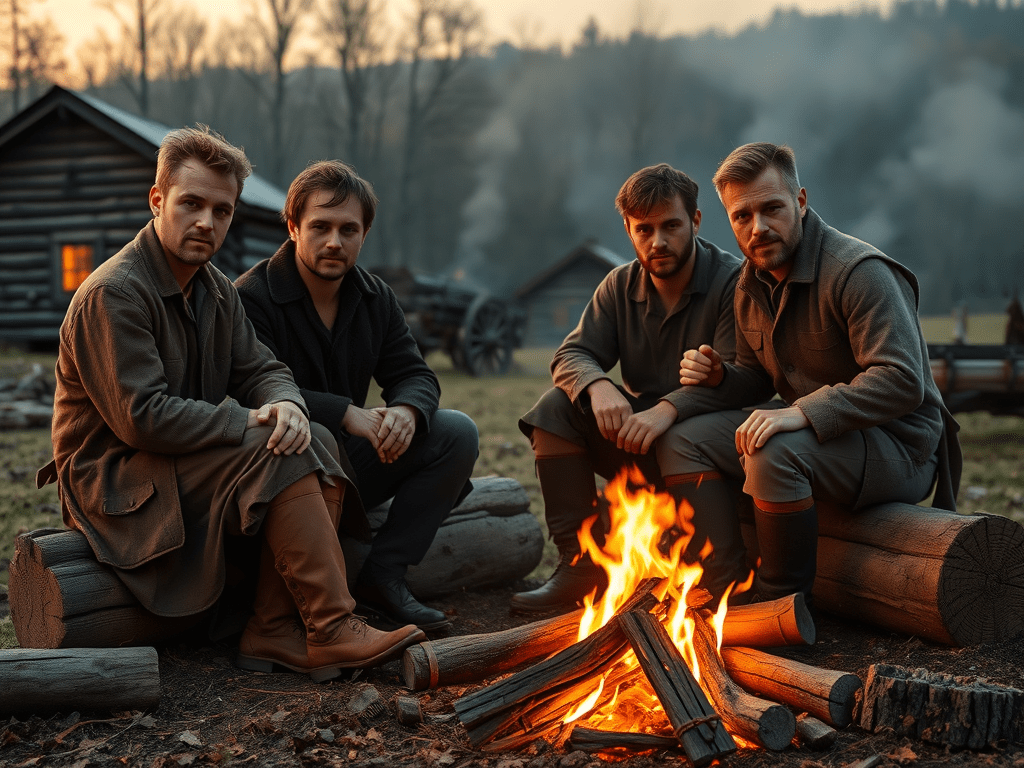
In 1800, the United States was a young, diverse, and expanding nation, with people from different ethnic backgrounds, cultures, and traditions living in various regions. Daily life depended largely on where you lived, your background, and your social status. Here’s a detailed look at what life was like across the entire contiguous United States, including Indigenous nations, Spanish, French, and English-speaking territories.
Estimated U.S. Population (1800 Census)
- Total Population: ~5.3 million
- Breakdown by Ethnicity:
- European Americans (English, German, Irish, Scottish, French, Spanish, Dutch, etc.) – ~4 million (75%)
- African Americans (Both Enslaved and Free) – ~1 million (19%)
- Indigenous Peoples – ~600,000-800,000 (~10%, though not counted in U.S. census)
- Mixed-Race & Others (Mestizos, Creoles, Free Blacks, Métis, etc.) – ~300,000 (~5%)
Territorial Breakdown
- Eastern U.S. (13 States & Western Territories) – Mostly English-speaking settlers, enslaved and free Africans, and Indigenous tribes.
- Louisiana Territory (French/Spanish influence, sold to the U.S. in 1803) – A mix of French, Spanish, African, and Indigenous populations.
- Spanish Florida & Southwest (Texas, New Mexico, Arizona, California) – Primarily Spanish, Indigenous, and Mestizo (mixed Spanish-Indigenous) communities.
- Indigenous Lands (Great Plains, Midwest, Pacific Northwest, Southeast, Southwest) – Home to large Indigenous nations such as the Cherokee, Sioux, Cheyenne, Comanche, Apache, Creek, and Iroquois.
Climate
The climate varied widely across different regions. Here are average temperatures for major areas:
New England & Midwest:
- Harsh winters with heavy snowfall. Frequent Nor’easters bringing strong storms.
- New England (Boston, NY, PA)
- 10-30°F (-12 to -1°C) Cold winters
- 70-85°F (21-29°C) Warm summers, coastal influence
- Midwest (Ohio, Kentucky, Tennessee, Indiana)
- 15-35°F (-9 to 2°C) Cold Winters
- 75-90°F (24-32°C) Hot summers
Southeast & Gulf Coast:
- Warm and humid year-round. Long growing seasons, ideal for tobacco, rice, and cotton farming.
- Hurricanes along the Atlantic and Gulf coasts.
- Southeast (Virginia, Carolinas, Georgia)
- 30-50°F (-1 to 10°C) Mild winters
- 80-95°F (27-35°C) Humid subtropical
Great Plains:
- Extreme weather swings – brutal winters, scorching summers.
- Strong winds & tornadoes common. Limited rainfall, making farming difficult without irrigation.
- Great Plains (Dakotas, Nebraska, Kansas, Oklahoma)
- 0-25°F (-18 to -4°C) Harsh Winters
- 80-100°F (27-38°C) Dry summers, strong winds
Rocky Mountains:
- Cold, snowy winters with long-lasting snowpack at high elevations.
- Cool summers, except in valleys.
- Rocky Mountains (Montana, Wyoming, Colorado, Idaho, Utah)
- -10 to 20°F (-23 to -7°C) Long snowy winters
- 60-85°F (16-29°C) Cool summers
Southwest:
- Very hot, dry summers, mild winters.
- Sparse rainfall, leading to desert conditions. Flash floods occurred in some canyon areas.
- Southwest (New Mexico, Arizona, Texas)
- 30-50°F (-1 to 10°C) Mild winters
- 85-110°F (29-43°C) Very hot summers
West Coast:
- Mild coastal winters with rain in the north (Oregon/Washington) and dry conditions in California.
- Cool, foggy summers along the coast, but hot inland.
- West Coast (California, Oregon, Washington)
- 40-60°F (4 to 16°C) Mild winters
- 65-85°F (18-29°C)Dry summers, ocean influence
Diet: What Did People Eat & Drink?
- English Settlers (New England & Mid-Atlantic): Corn, wheat bread, pork, beef, fish, apples, beans, squash.
- Southern Diet (Virginia, Carolinas, Georgia): Cornbread, rice, pork, sweet potatoes, greens.
- Frontier & Midwest Diet: Wild game (deer, turkey, rabbit), corn mush, dried beans, foraged nuts & berries.
- Louisiana (French-Spanish Influence): Gumbo, rice, seafood, French bread.
- Indigenous Diet: Corn, squash, beans, bison, wild rice, salmon, acorns, pemmican.
- Southwest (Spanish Influence): Tortillas, beans, chiles, cactus, tamales.
Beverages
- Common Drinks: Cider, tea, coffee, milk, herbal teas.
- Alcohol: Rum, whiskey, beer (especially in taverns).
- Water Quality: Often unsafe, leading to more reliance on cider, beer, and tea.
Clothing: What People Wore
Men:
- Wool or linen coats, breeches, stockings, leather boots, and tricorn hats.
- On the frontier: Buckskin clothing, fur hats, moccasins.
Women:
- Long dresses with aprons, bonnets, and shawls.
- Wealthier women wore silk, lace, and corsets.
Indigenous Clothing:
- Depended on the tribe—deerskin tunics, moccasins
Enslaved People:
- Simple, coarse linen or cotton garments, often provided by plantation owners.
Housing: Where People Lived
- New England & Mid-Atlantic: Wooden houses with fireplaces, thatched or shingled roofs.
- Southern Plantations: Large estates for wealthy families; enslaved people lived in one-room cabins.
- Frontier Settlers: Log cabins, sod houses, or dugouts.
- Indigenous Nations:
- Plains: Tipis (Sioux, Cheyenne).
- Southwest: Adobe pueblos (Hopi, Navajo).
- Eastern Woodlands: Longhouses (Iroquois), Chickees (Seminole).
Health, Life Expectancy, & Medicine
- Child Mortality: ~50% of children died before adulthood.
- Life Expectancy:
- If you survived childhood: 40-50 years old (higher in rural areas).
- Enslaved people & Indigenous nations often had lower life expectancies due to harsh conditions.
- Common Diseases: Smallpox, tuberculosis, dysentery, malaria.
- Medical Practices:
- No germ theory—doctors used bloodletting, leeches, and herbal remedies.
- Midwives assisted in childbirth; many women died in labor.
Social Structures & Marriage
- Most people were monogamous; marriage was expected.
- Average Marriage Age:
- Women: 16-22 years old
- Men: 20-30 years old
- Children per Family: 5-8 children (high infant mortality).
Leisure & Entertainment
- Popular Games: Marbles, dice, card games (Whist, Piquet, Écarté, Faro), cribbage, and checkers.
- Outdoor Activities: Hunting, fishing, horse racing.
- Storytelling, music, and dancing were big in all cultures.
Economy & Currency
- Bartering was common, especially in rural areas.
- Money Used:
- Spanish silver dollars
- British pounds and French livres in some areas.
- Early U.S. paper money was issued but not widely trusted.
Language, Writing, & Art
- Most common languages:
- English, French, Spanish, and Indigenous languages (Cherokee, Lakota, Navajo, etc.).
- Writing: The printing press made books, newspapers, and pamphlets popular.
- Art: Portraits, woodcarvings, weaving, and Indigenous beadwork flourished.
Common Musical Instruments
Indigenous American Instruments
1. Drums & Hand Drums
- Use: Considered the heartbeat of life, used in ceremonies, storytelling, and war preparations.
- Where Played: Powwows, religious ceremonies, and social gatherings.
- Historical Note: Drums varied in size from large communal drums (played by multiple people) to small handheld drums used in personal rituals.
2. Rattles & Shakers
- Use: Accompanied ceremonial chants, dances, and healing rituals.
- Where Played: Religious and social events, often alongside singing.
- Historical Note: Made from gourds, turtle shells, and rawhide, often filled with stones, beads, or seeds.
3. Flutes & Whistles
- Use: Played for storytelling, courting songs, and meditative or healing purposes.
- Where Played: Personal settings, vision quests, and sacred gatherings.
- Historical Note: Indigenous flutes were often carved from wood or bone, with a distinct pentatonic scale unique to each tribe.
4. Water Drums
- Use: Used in rituals and sacred ceremonies, producing a distinctive, resonant sound.
- Where Played: Common in Iroquois, Creek, and Southeastern tribal traditions.
- Historical Note: Made from hollowed-out logs or clay pots filled with water, covered with hide or wood.
African American Instruments
5. Banjo
- Use: Played for dancing, storytelling, and community gatherings, later influencing American folk music.
- Where Played: Enslaved communities, plantations, and later taverns.
- Historical Note: Originating from West African stringed instruments (like the Akonting), early banjos were handmade from gourds, animal hide, and gut strings.
6. Percussion (Hand Clapping, Stomping, & Body Rhythms)
- Use: Used in call-and-response singing, religious worship, and field work songs.
- Where Played: Enslaved communities, secret gatherings, and later in early Black churches.
- Historical Note: Since drums were often banned by slaveholders (to prevent rebellion communication), enslaved people created complex rhythms using body percussion instead.
7. Jaw Harp (Jew’s Harp)
- Use: A small metal instrument placed against the mouth to produce rhythmic twangs.
- Where Played: Used by enslaved Africans, Native Americans, and European settlers for personal music and entertainment.
European & Settler Instruments
8. Violin (Fiddle)
- Use: The most widely played instrument among European settlers and early American towns, used for folk music, dancing, and even military marching tunes.
- Where Played: Homes, taverns, and military camps.
- Historical Note: Scots-Irish, English, and French settlers brought the fiddle tradition, which later influenced bluegrass and Appalachian music.
9. Fife & Drum
- Use: Primarily used in military music, providing marching rhythms and battlefield signals.
- Where Played: Revolutionary War camps, town celebrations, and taverns.
- Historical Note: Fife and drum corps played “Yankee Doodle“ and other wartime tunes.
10. Harpsichord & Fortepiano
- Use: Played in wealthier homes and concert settings for classical music.
- Where Played: Mansions, churches, and social gatherings.
- Historical Note: Fortepianos (early pianos) became more common in the late 1700s, replacing harpsichords.
11. Guitar
- Use: Played for folk songs, ballads, and parlor music.
- Where Played: Homes, social gatherings, and small performance spaces.
- Historical Note: These early guitars had gut strings and were smaller than modern guitars.
12. Pipe Organ
- Use: Provided church music and hymns.
- Where Played: Large churches in Boston, Philadelphia, and Charleston.
Tools & Technology
- Farming Tools: Plows, sickles, scythes, hand mills.
- Blacksmithing: Hammers, anvils, bellows.
- Weaponry: Flintlock muskets, tomahawks, bows.
- Transportation: Horse-drawn carriages, canoes, wagons.
Import Developments
The second half of the 18th century was a time of massive change. Think war, political revolutions, new scientific breakthroughs, cultural shifts, and some wild environmental challenges. Here are a few of the key moments that really shaped life during this era.
Major Wars & Battles (1750-1800)
1. The French and Indian War (1754-1763)
- A conflict between Britain and France, fought largely in North America with Indigenous alliances on both sides.
- Ended with British victory and the Treaty of Paris (1763), which gave Britain control over French territories in Canada and the Ohio River Valley.
- Resulted in massive British war debt, leading to heavy taxation on American colonies, which fueled resentment and eventual revolution.
2. Pontiac’s War (1763-1766)
- After Britain’s victory, Indigenous nations came together to resist British rule in the Great Lakes and Ohio Valley. Pontiac, an Odawa leader, led a multi-tribal alliance that included the Shawnee, Lenape (Delaware), Miami, and other tribes.
- Indigenous warriors captured multiple British forts, prompting Britain to respond with biological warfare, including the use of infected smallpox blankets against Indigenous groups at Fort Pitt.
- Outcome: The British issued the Proclamation of 1763, restricting settlement west of the Appalachians, but settlers ignored it, leading to further conflict.
3. The American Revolution (1775-1783)
- A war between the Thirteen Colonies and Britain, leading to American independence.
- Key battles:
- Battle of Lexington & Concord (1775) – The first shots of the war.
- Battle of Saratoga (1777) – A turning point that secured French support.
- Siege of Yorktown (1781) – The final major battle, forcing British surrender.
- Officially ended with the Treaty of Paris (1783), recognizing the United States of America as an independent nation.
4. The Northwest Indian War (1785-1795)
- A conflict between American settlers and Indigenous tribes (Shawnee, Miami, and others) resisting U.S. expansion into the Ohio Valley.
- Ended with Battle of Fallen Timbers (1794) and the Treaty of Greenville (1795), forcing many Native nations to cede vast amounts of land in Ohio and Indiana to the U.S.
Political & Cultural Advancements
5. The Declaration of Independence (1776)
- Drafted by Thomas Jefferson, signed on July 4, 1776, marking the colonies’ official break from Britain.
6. The U.S. Constitution & Bill of Rights (1787-1791)
- The U.S. Constitution was drafted in 1787 and ratified in 1789, replacing the weak Articles of Confederation.
- The Bill of Rights (1791) ensured individual freedoms like speech, religion, and the right to bear arms.
7. The Louisiana Purchase (1800 Negotiations, 1803 Finalized)
- In 1800, Spain ceded Louisiana back to France, setting the stage for the U.S. to purchase the land in 1803 from Napoleon, doubling the country’s size.
8. The Second Great Awakening (1790s)
- A religious revival movement that spread across the U.S., encouraging evangelism, abolitionism, and social reform.
9. Presidents & Their Legacy
During this time, the newly formed United States elected its first leaders, shaping the foundations of American government, policy, and culture. Here’s a look at the first two presidents and what they’re most remembered for:
1. George Washington (1789-1797)
⭐ First President of the United States⭐️
- Set precedents for future presidents, including the two-term limit.
- Established the first presidential cabinet (Secretaries of State, Treasury, War, and Attorney General).
- Crushed the Whiskey Rebellion (1794), proving the federal government could enforce its laws.
2. John Adams (1797-1801)
First Vice President, Second U.S. President
- Known for the Alien and Sedition Acts (1798), controversial laws that limited immigration and punished government critics.
- Oversaw the Quasi-War (1798-1800), an undeclared naval conflict between the U.S. and France.
- Avoided full-scale war with France, signing the Convention of 1800, which ended hostilities.
- Strengthened the U.S. Navy, creating a permanent military force.
- Lost re-election to Thomas Jefferson in a bitterly contested race, marking the first peaceful transfer of power between political parties.
Slavery, Abolition, & Social Change
10. Abolition Movements Begin
- Vermont (1777) became the first U.S. territory to ban slavery.
- Pennsylvania (1780), Massachusetts (1783), and other Northern states gradually abolished slavery.
- The Transatlantic Slave Trade continued, but abolitionist movements grew stronger.
11. The Fugitive Slave Act (1793)
- A law allowing enslavers to capture escaped slaves, increasing tensions between Northern abolitionists and Southern slaveholders.
Technological & Scientific Advancements
12. Benjamin Franklin’s Inventions (1750s-1780s)
- Lightning Rod (1752) – Protected buildings from lightning strikes.
- Bifocals (1780s) – Allowed people to see both near and far distances without changing glasses.
13. The Cotton Gin (1793)
- Invented by Eli Whitney, the cotton gin revolutionized textile production by increasing the speed of cotton processing, unfortunately leading to an expansion of slavery in the South.
Cultural Shifts & Literature
14. The Rise of American Literature
- Poet Phillis Wheatley (1753-1784) became the first published African American woman in 1773.
- Noah Webster began writing the first American dictionary, defining an independent American English.
- The Federalist Papers (1787-1788) by Hamilton, Madison, and Jay argued for the ratification of the U.S. Constitution.
15. Theaters & Public Entertainment Grow
- The first permanent theater in the U.S. opened in Philadelphia (1759).
- Shakespeare plays and musical performances became popular in cities like Boston and New York.
Entertainment
The Soundtrack of Early America
Music in the late 18th century was more than just entertainment—it was a reflection of war, faith, tradition, and daily life. Whether played in a lively tavern, sung in a church congregation, or performed in an elegant parlor, the sounds of this era captured the spirit of a young and evolving America. Soldiers marched to patriotic anthems, families gathered around folk ballads, and wealthier households enjoyed the refined compositions of European masters like Mozart and Haydn.
This period saw a blending of British, Irish, African, and Indigenous influences, shaping the diverse musical landscape that would eventually give rise to distinctly American sounds. Below, we explore some of the most notable songs and composers of the time, giving you a playlist of what the people of 1750-1800 might have been singing, playing, and dancing to.
5 Songs or Recommended Artists from 1750-1800
- “Chester” – William Billings (1770)
- Known as America’s first choral composer, Billings wrote patriotic and religious music. Chester was an unofficial anthem of the American Revolution, sung by soldiers and civilians alike.
- “The President’s March” – Philip Phile (1789)
- This instrumental march was composed for George Washington’s first inauguration and later evolved into “Hail, Columbia”, a popular American patriotic song before “The Star-Spangled Banner.”
- “Lillibullero” – Traditional (17th century, still popular in 18th century)
- A British military tune that was played in both the Revolutionary War and French & Indian War. It was often used as a marching tune by both British and American troops.
- “Barbara Allen” – Traditional English Ballad
- A folk ballad that remained popular in colonial America, passed down through oral tradition. The song tells a tragic love story and was sung in homes and taverns across the colonies.
- Wolfgang Amadeus Mozart – “Symphony No. 40” (1788)
- While classical music from Europe wasn’t as accessible to common people, wealthier Americans who played music at home or attended social gatherings would have been familiar with composers like Mozart, Haydn, and Handel.
Adult Media (1750-1800 America & Beyond)
1. TV Show: “Turn: Washington’s Spies” (2014-2017, AMC)
- Set during the American Revolution (1776-1783), this series follows the Culper Ring, a group of spies working against the British.
2. Movie: “The Patriot” (2000)
- A dramatized but visually compelling story set during the American Revolutionary War (1775-1783), starring Mel Gibson as a reluctant soldier fighting against the British.
3. Book: 1776 by David McCullough (2005)
- A meticulously researched nonfiction account of the critical year of the American Revolution, focusing on George Washington and his army’s struggles.
4. Book: Benjamin Franklin: An American Life by Walter Isaacson (2003)
- A biography covering Benjamin Franklin’s pivotal role in shaping America from the mid-1700s to the formation of the United States.
5. Book & Movie: The Last of the Mohicans by James Fenimore Cooper (1826) & Movie (1992)
- Book: A classic historical novel set during the French and Indian War (1757), depicting Native American and colonial conflicts.
- Movie: The 1992 adaptation starring Daniel Day-Lewis brings the story to life with epic battles and stunning cinematography.
6. Movie/Play: Hamilton (2020, Disney+)
- A modern musical adaptation of the life of Alexander Hamilton, blending hip-hop, R&B, and traditional Broadway styles to tell the story of the American Revolution and the early years of the U.S. government.
7. Podcast: American History Tellers
- Season 5: Revolution
Delves into the American Revolution, exploring the causes, key events, and lasting impacts of the struggle for independence.
8. Podcast: In Our Time
- Washington and the American Revolution
Offers insights into the causes, major battles, and consequences of the war.
9. Podcast: Stuff You Should Know
- Relevant Episodes:
- How the Boston Tea Party Worked
Breaks down the events leading to this iconic protest and its role in escalating tensions between the colonies and Britain. - The Louisiana Purchase: Not a Purchase
Discusses the 1803 acquisition that doubled the size of the United States, with roots tracing back to late 18th-century geopolitics.
- How the Boston Tea Party Worked
Children’s Media (1750-1800 America & Beyond)
1. TV Show: “Liberty’s Kids” (2002-2003, PBS)
- An animated series following three kids covering major events of the American Revolution (1770s-1780s) as journalists.
2. Movie: “Drums Along the Mohawk” (1939, John Ford)
- A classic adventure film depicting life on the New York frontier during the American Revolution. It follows settlers dealing with attacks from British-allied forces.
3. Book: Johnny Tremain by Esther Forbes (1943)
- A historical novel about a Boston apprentice caught up in events like the Boston Tea Party and the Battles of Lexington & Concord.
4. Book: The Secret Soldier: The Story of Deborah Sampson by Ann McGovern (1990)
- A biography of Deborah Sampson, who disguised herself as a man to fight in the Revolutionary War.
5. Book: If You Lived at the Time of the American Revolution by Kay Moore (1998)
- A kid-friendly nonfiction book explaining what life was like for children and families during the Revolutionary War.
6. Bedtime History
- The Declaration of Independence
Provides an engaging overview of the drafting, significance, and impact of this foundational document.
Meal Plan (1800s-Authentic Style)
(Using only ingredients and tools available in America in February 1800, cooked with historical methods)
Breakfast
Beverage: A steaming cup of black coffee or a glass of fresh apple cider, served in a simple ceramic mug.
Meal: A hearty bowl of cornmeal mush, slow-cooked over an open fire, then drizzled with molasses or maple syrup for sweetness. Served alongside a few crispy slices of salted pork or bacon, fried in a cast-iron skillet.
Appetizer
Shaved Apple and Nut Salad – Thinly sliced heirloom apples mixed with toasted walnuts or pecans, lightly dressed with honey and apple cider vinegar. A refreshing start to the meal, served on a wooden or pewter plate.
Entrée
Roast Turkey with Apricot Glaze – A plump turkey breast, carefully basted with a glaze made from stewed dried apricots and slow-roasted over an open hearth until golden brown.
Sides
Corn and Potato Chowder – A creamy, thick soup made by simmering potatoes, fresh corn kernels (dried and rehydrated), and a touch of thick cream in an iron pot over the fire.
Boston Brown Bread – A rustic, hearty bread made from cornmeal, rye flour, whole wheat flour, and molasses, steamed in a tin mold set inside a boiling kettle. Served warm with fresh butter churned that morning.
Dessert
Pumpkin Fritters – A mixture of mashed pumpkin, flour, and warming spices, fried in lard until golden brown, then lightly dusted with powdered sugar (ground from coarse sugar with a mortar and pestle).
Beverage
Hard Cider – A glass of naturally fermented apple cider, brewed and stored in wooden barrels. Poured into a simple pewter cup.
Meal Plan (Modern Twist)
(Using modern ingredients, tools, and methods to bring the flavors of 1800s America into today’s kitchen)
Breakfast
Beverage: A fresh-brewed cup of strong black coffee (or a cappuccino) with a side of chilled apple cider.
Meal: A bowl of creamy cornmeal porridge, cooked in a saucepan with milk for a smoother texture, topped with pure maple syrup and a pat of butter. Served with crispy, oven-baked applewood smoked bacon.
Appetizer
Apple and Walnut Salad with Cinnamon Honey Dressing – Thinly sliced Honeycrisp apples, tossed with toasted candied walnuts, drizzled with a honey, cinnamon, and apple cider vinaigrette, and served on a bed of baby spinach.
Entrée
Oven-Roasted Turkey Breast with Apricot Glaze – A brined turkey breast, roasted in the oven at 375°F, basted with a glaze made from apricot preserves, brown sugar, and a splash of orange juice for extra depth.
Sides
Corn and Potato Chowder – A creamy, rich chowder made with butter-sauteed onions, Yukon Gold potatoes, fresh corn, and heavy cream, simmered in a slow cooker for extra flavor.
Pressure Cooker Boston Brown Bread – A sweet, dense bread made with whole wheat flour, rye flour, cornmeal, and molasses, steamed in a pressure cooker for quick cooking. Served warm with whipped salted butter.
Dessert
Pumpkin Fritters with Maple Drizzle – Fluffy pumpkin-spice fritters, fried in vegetable oil using a deep fryer, then lightly dusted with powdered sugar and finished with a warm maple syrup drizzle.
Beverage
Craft Hard Cider or Apple Bourbon Cocktail – A crisp, chilled glass of locally brewed hard cider, or an apple-infused bourbon cocktail with cinnamon and nutmeg for a modern twist.
 Time Traveling Table
Leave a comment