
Just so we’re all on the same page. Please ensure you’ve made yourself acquainted with my disclaimer
Life in 1920s United States
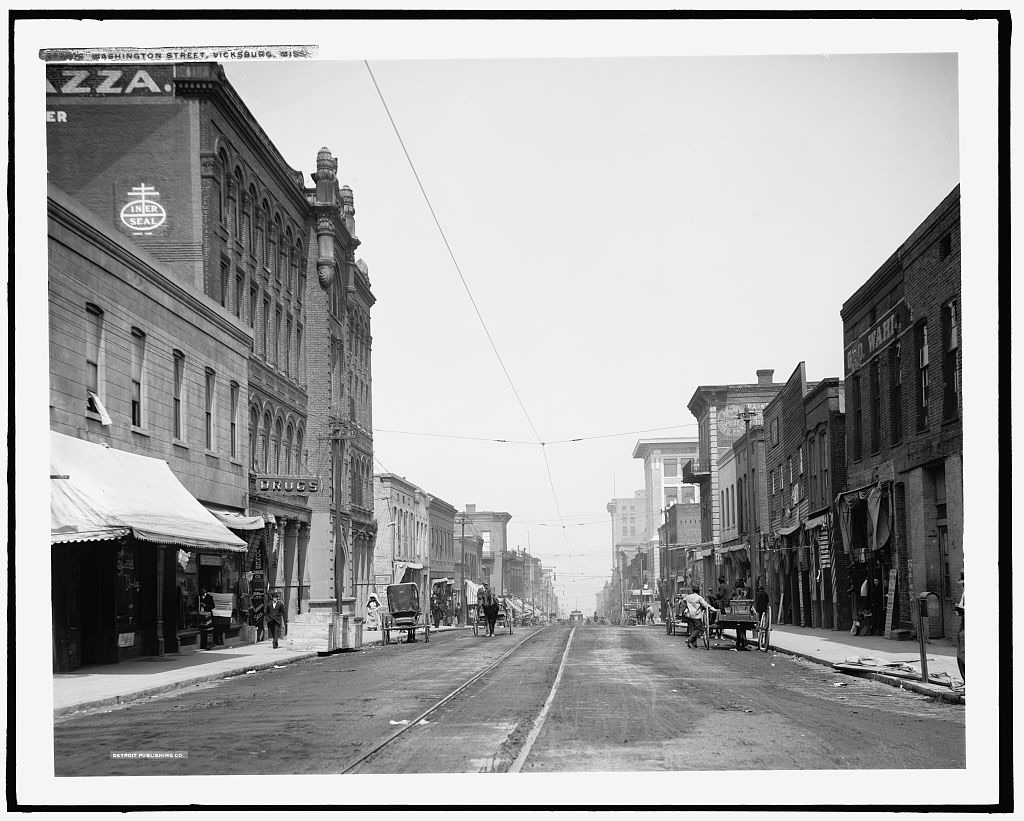
Population & Urban Growth
- Estimated U.S. Population: ~106 million people.
- The 1920 U.S. Census showed, for the first time, that more people lived in cities than in rural areas.
- Industrialization led to urban expansion, while farming remained dominant in the Midwest and South.
Diet & Staple Foods
Common Foods:
- Breakfast: Oatmeal, eggs, toast, ham, fresh fruit, and coffee or hot cocoa.
- Lunch: Sandwiches (ham, egg, or peanut butter), soup, or leftovers.
- Dinner: Meat (chicken, beef, or pork), potatoes, seasonal vegetables, and bread.
- Desserts: Rice pudding, fruit pies, and sponge cakes were common treats.
Staple Drinks:
- Coffee, tea, and milk were the most common beverages.
- Soda (Coca-Cola, root beer, etc.) became more popular.
- Alcohol was illegal from 1920 onward due to Prohibition, leading to the rise of speakeasies and bootlegging.
Clothing & Fashion
- Men: Suits with vests, fedoras, and leather shoes. Workmen wore overalls and caps.
- Hats were still a strong social expectation for men in public. A well-dressed man was almost never seen without one, whether he was going to work, socializing, or simply walking down the street.
- Popular Men’s Hats
- Fedora – The most iconic hat of the decade, worn by businessmen and gangsters alike.
- Newsboy Cap – Casual and popular among working-class men.
- Boater Hat – A straw hat, often worn in summer or for leisure.
- Homburg Hat – A dressier alternative to the fedora, often worn by politicians and wealthy men.
- Flat Cap – Worn by laborers, drivers, and sportsmen.
- Top Hat – Still used for formal evening wear but declining in everyday popularity.
- Women: The flapper look (shorter dresses, bobbed hair) became fashionable, but most women still wore long skirts and blouses for daily life.
- Women bobbing their hair in the 1920s was a huge cultural shift and highly controversial at the time. The bob haircut symbolized a break from traditional gender roles, leading to both admiration and backlash. Why Was the Bob a Big Deal?
- Defied Traditional Femininity
- Before the 1920s, long hair was seen as a sign of modesty, femininity, and virtue. Cutting it short was considered radical and rebellious.
- Symbol of the New Woman & Female Independence
- The Flapper Movement embraced short hair, short dresses, and more independence.
- Women were joining the workforce, driving cars, and demanding equal rights (especially after winning the right to vote in 1920).
- Backlash & Controversy
- Many older generations and conservative Americans saw bobbed hair as scandalous.
- Some employers fired women for cutting their hair.
- Barbers (who traditionally cut men’s hair) refused to give women bobs, forcing many to go to underground “bob shops.”
- Some husbands even divorced their wives for bobbing their hair!
- Endorsement by Celebrities & Fashion Icons
- Movie stars like Louise Brooks and Colleen Moore popularized the bob.
- Coco Chanel and other designers embraced short hair in high fashion.
- Different Styles of Bobs
- The “Shingle” Bob: Super short in the back, exposing the neck.
- The “Eton Crop”: Even shorter, slicked back, almost masculine.
- The “Dutch Boy” or “Pageboy” Bob: A slightly longer, blunt-cut version.
- Children: Wore simpler versions of adult clothing, often homemade.
- Rural workers: Overalls, work boots, and sun hats were common for farm laborers.
Housing
- Urban: Apartments and row houses were common in cities. Electricity and indoor plumbing were becoming more available.
- Rural: Many farmhouses still lacked electricity, running water, and bathrooms.
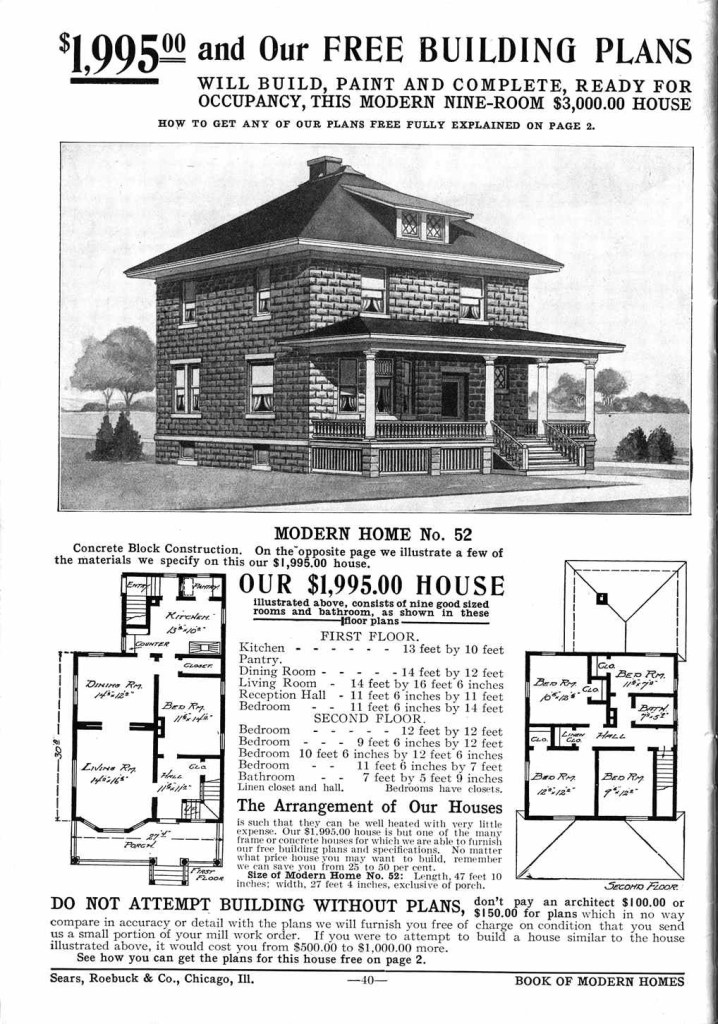
- New Trend: Sears mail-order homes allowed people to order a full house kit to be built on their property.
Health, Life Expectancy & Medicine
- Average Life Expectancy:
- Men: ~53-56 years.
- Women: ~54-58 years.
- Infant Mortality Rate: ~10% of infants died before their first birthday.
Healthcare & Medicine:
- Hospitals became more modernized, but rural doctors still relied on house calls.
- Common Treatments:
- Aspirin for pain relief.
- Quinine for malaria.
- Mercury-based medicines were still in use.
Social Structure & Family Life
- Monogamy was standard, and divorce was rare but increasing.
- Average Age of Marriage:
- Men: ~24-26 years old.
- Women: ~20-23 years old.
- Number of Children per Family: 3-5 children, though rural families often had more.
- Challenges for Families:
- Child labor was still common, especially in rural and poor urban families.
- Women gained the right to vote in 1920, but gender roles remained strong.
Games & Leisure Activities
- Children’s Games: Marbles, hopscotch, jump rope, hide-and-seek.
- Board Games: checkers and early card games.
- Outdoor Activities: Baseball was the most popular sport, with Babe Ruth rising to fame.
- Radio: By the late 1920s, families gathered to listen to radio programs.
- Silent Films: Charlie Chaplin was a major star in silent movies.
Currency, Wages & Economic Class
$1 in 1920 is equivalent to about $15-$16 today (adjusted for inflation).
- U.S. Dollar (Gold Standard in 1920s): Bills looked similar to today’s but were larger in size.
- Bartering was rare except in rural communities where goods like eggs, milk, and produce were sometimes exchanged.
- Average Salary: ~$1,200–$1,500 per year ($20-$30 per week).
Cost of Common
- Eggs (1 dozen) – $0.47 (~$7.50 today)
- Milk (1 gallon) – $0.57 (~$9 today)
- Loaf of Bread – $0.12 (~$1.80 today)
- Yard of Fabric – $0.25 – $1.00 (~$4 – $16 today, depending on material)
- New Suit (Men’s) – $15 – $40 (~$225 – $640 today)
- Rent (Average Monthly, Urban Area) – $60 (~$900 – $1,000 today)
- Buying a House (Average Home Price) – $6,000 (~$90,000 – $100,000 today)
- New Ford Model T Car – $395 (~$6,000 today)
Milk and eggs were relatively expensive in 1920 compared to other staple foods due to several key factors:
1. Post-War Inflation
- World War I (1914-1918) caused massive disruptions in agriculture and food supply chains.
- The cost of feed, transportation, and labor increased, which drove up prices for dairy and poultry products.
- Inflation spiked after the war, raising the cost of everyday goods, including food.
2. Limited Industrialization of Farming
- Unlike wheat or corn, dairy and egg production required more hands-on labor.
- Large-scale commercial farming wasn’t yet widespread, meaning smaller farms had higher production costs.
- Pasteurization and refrigeration were not yet universal, making transportation and storage more difficult and expensive.
3. Seasonal Variability
- Milk production dropped in winter due to lower-quality feed and less grazing.
- Egg-laying also declined in colder months due to reduced daylight and colder temperatures.
- Since there were no widespread artificial lighting or modern climate controls, production slowed, and prices spiked.
4. Transportation and Distribution Challenges
- Railroads were the main method of food transport, but perishable goods like milk and eggs required fast, refrigerated transport, which was expensive.
- Many rural farms lacked direct access to rail lines, making delivery to cities costly and inefficient.
5. Demand Outpaced Supply in Growing Cities
- Urban populations were booming, especially in industrial cities like New York, Chicago, and Detroit.
- More people wanted fresh milk and eggs, but supply chains couldn’t keep up, causing higher prices.
Economic Class Overview
- Working Class (~50% of Americans)
- Included factory workers, farm laborers, and household servants.
- Lived paycheck to paycheck, often in crowded apartments or rural homes with no electricity.
- Factory Worker – Salary: $1,000 – $1,200 per year (~$15,000 – $20,000 today)
- Farm Laborer – Salary: $900 – $1,100 per year (~$14,000 – $17,000 today)
- Middle Class (~40% of Americans)
- Included teachers, shop owners, and skilled laborers.
- Could afford modest homes, basic comforts, and even a car.
- Teacher – Salary: $1,200 – $1,500 per year (~$18,000 – $24,000 today)
- Railroad Worker – Salary: $1,500 – $2,000 per year (~$24,000 – $32,000 today)
- Police Officer – Salary: $1,600 – $2,500 per year (~$25,000 – $40,000 today)
- Wealthy (~10% of Americans)
- Included professionals like doctors, lawyers, and bankers.
- Lived in large homes, owned luxury goods, and had household servants.
- Doctor – Salary: $3,500 – $5,000 per year (~$55,000 – $80,000 today)
- Lawyer– Salary: $5,000 – $10,000 per year (~$80,000 – $160,000 today)
- Ultra-Rich Industrialists
- Controlled massive businesses and fortunes.
- Lived in mansions, owned multiple properties, and influenced national economics.
- Industrialist (e.g., Henry Ford, business tycoons)
Salary: $100,000+ per year (~$1.5 – $2 million+ today)
Religion, Art & Writing
Religion:
- Christianity dominated, especially Protestant denominations.
Art & Culture:
- The Art Deco movement began, influencing architecture and design.
- Georgia O’Keeffe became famous for modernist painting.
Language & Writing:
- English was the dominant language, though large immigrant communities spoke Italian, German, Yiddish, and Polish in cities.
- The typewriter was widely used, making offices more efficient.
Major Tools & Appliances
- Newly Popular Appliances: Electric refrigerators, vacuum cleaners, washing machines (for wealthy households).
- Common Household Tools: Manual egg beaters, iceboxes (before refrigerators), and washboards for laundry.
- Farm Equipment: Gas-powered tractors began replacing horses.
Significant Advancements & Trials in American History (1910-1920)
Technological & Scientific Advancements:
- The First Commercially Successful Automobiles (1910s)
- The Ford Model T, introduced in 1908, became widespread in the 1910s due to Henry Ford’s assembly line innovation (1913), making cars affordable for middle-class Americans.
- By 1920, over 8 million cars were on American roads.
- The Birth of Commercial Aviation (1914-1920)
- 1914: The first scheduled passenger flight took place in Florida.
- 1918: The U.S. Post Office started airmail service, helping develop modern aviation.
- Widespread Electrification & Consumer Technology
- Cities saw an increase in electric lighting, radios, and home appliances.
- The vacuum cleaner and electric washing machine were introduced, changing household labor.
- Medical Advances
- 1913: The American Cancer Society was founded to combat cancer.
- 1918: The Spanish Flu pandemic led to medical research on viruses and vaccines, laying groundwork for public health advancements.
Major Battles & Military Events:
- World War I (1917-1918)
- The U.S. entered WWI in April 1917, joining the Allies against Germany.
- The war ended November 11, 1918, with 116,000 American soldiers killed.
Extreme Weather & Natural Disasters:
- The Great Flood of 1913
- One of the worst natural disasters in U.S. history, affecting Ohio, Indiana, and Pennsylvania.
- Flooding killed over 600 people and displaced thousands.
- The 1918 Cloquet Fire (Minnesota)
- A massive wildfire destroyed the town of Cloquet, Minnesota, killing over 450 people and leaving 12,000 homeless.
- Sinking of the Titanic (April 15, 1912)
- The RMS Titanic struck an iceberg in the North Atlantic while en route to New York, sinking and claiming the lives of over 1,500 people. Among the 306 American passengers, only 41% survived. The freezing ocean temperatures and lack of lifeboats contributed to the devastating loss of life. In the aftermath, the disaster led to major maritime safety reforms, including increased lifeboat requirements and a mandate for continuous radio watch on ships.
Cultural & Social Changes:
- The Rise of the Prohibition Movement (1919-1920)
- The 18th Amendment (ratified in 1919) banned alcohol sales, leading to Prohibition in 1920.
- This sparked the rise of speakeasies, bootlegging, and organized crime.
- The Ratification of the 19th Amendment (1920) – Women Gain the Right to Vote
- After decades of activism, women’s suffrage became law on August 18, 1920.
- The Silent Film Boom (1910s-1920s)
- Hollywood became the center of American cinema, with stars like Charlie Chaplin and Mary Pickford.
- The Spanish Flu Pandemic (1918-1919)
- Killed 675,000 Americans, making it one of the deadliest pandemics in U.S. history.
- Babe Ruth
- Babe Ruth was already a baseball star, but not yet the legendary slugger he would become. As a left-handed pitcher for the Boston Red Sox (1914-1919), he won three World Series titles (1915, 1916, 1918) and set a World Series record for consecutive scoreless innings (29 2/3). In 1919, Ruth transitioned to hitting full-time, smashing 29 home runs, breaking the single-season record and revolutionizing the game. That same year, he was controversially sold to the New York Yankees, setting the stage for his dominance in the 1920s. Even before his Yankee years, Ruth’s power, charisma, and larger-than-life personality made him a cultural icon and one of baseball’s first true celebrities.
Entertainment
Playlist
- “Alexander’s Ragtime Band” – Irving Berlin (1911)
- A hugely influential ragtime song that helped bring jazz influences into mainstream music.
- “St. Louis Blues” – W.C. Handy (1914)
- One of the first blues songs to become popular nationwide, often credited with shaping early jazz and blues music.
- “Over There” – George M. Cohan (1917)
- A patriotic WWI-era song that became an anthem for American troops.
- “Swanee” – Al Jolson (1919)
- One of Al Jolson’s most famous songs, written by George Gershwin, showcasing early Tin Pan Alley pop music.
- “A Pretty Girl Is Like a Melody” – Irving Berlin (1919)
- A popular Broadway tune that became a standard in early American musical theater.
Adult Movies, TV Shows, and Books Depicting 1910-1920s America
- Boardwalk Empire (2010-2014) – TV Show
- A historical crime drama set in Atlantic City during Prohibition, following political boss Nucky Thompson as he navigates bootlegging, corruption, and organized crime.
- Ragtime (1975) – Book by E.L. Doctorow
- A historical novel intertwining the lives of fictional and real characters in early 20th-century America, touching on immigration, racial tensions, and industrialization.
- Lawless (2012) – Movie
- Based on a true story, this Prohibition-era crime drama follows a family of bootleggers in Virginia as they face off against corrupt law enforcement and rival gangs.
- Somewhere in Time (1980) – Movie
- A romantic time-travel film where a modern man falls in love with a woman from 1912, providing a detailed look at early 20th-century American life, fashion, and culture.
- The Birth of a Nation (1915) – Silent Film
- One of the most commercially successful and technically groundbreaking films of its time, though highly controversial due to its racial content. It played a significant role in shaping early American cinema.
- Dr. Jekyll and Mr. Hyde (1920) – Silent Horror Film
- A widely praised adaptation of Robert Louis Stevenson’s novel, starring John Barrymore in a mesmerizing dual role. This film was a major hit with adult audiences.
- Titanic (1997)
- While set primarily aboard the RMS Titanic, the film portrays the class divisions, fashions, and social expectations of 1912 America, particularly through the character of Rose, a wealthy American debutante.
Children’s Movies, TV Shows, and Books Depicting 1910-1920s America
- The Princess and the Frog (2009) – Movie
- A Disney animated film set in 1920s New Orleans, featuring jazz, speakeasies, and Southern culturewith a magical twist.
- An American Girl: Samantha (2004)
- A historical drama about a young girl navigating societal expectations, class struggles, and industrial changes in 1914 America.
- Caddie Woodlawn (1935) – Book by Carol Ryrie Brink
- A Newbery Medal-winning novel about a tomboyish girl growing up in rural America during the early 20th century, showcasing family life and societal expectations.
- Moon Over Manifest (2010) – Book by Clare Vanderpool
- A historical fiction novel about a girl uncovering secrets in 1918 Kansas, blending mystery, adventure, and early 20th-century Midwestern culture.
- Books: The Hardy Boys series by Franklin W. Dixon (1927)
- This became massively popular, offering thrilling mysteries and adventurous escapes for young readers.
Authentic 1920s Meal Plan (Using Only Ingredients & Tools Available at the Time)
This meal plan reflects what a family or an upscale home might serve in the 1920s, using only period-appropriate ingredients and cooking methods.
Breakfast:
Beverage: Black Coffee or Hot Cocoa
- Coffee was the standard morning drink for adults, brewed in a percolator or on the stovetop. Children and those avoiding caffeine might enjoy a cup of hot cocoa made with cocoa powder, milk, and sugar.
Meal: Scrambled Eggs with Fried Ham
- Fresh eggs, beaten and cooked in butter over a cast iron skillet, served alongside thick pan-fried country ham—a staple protein in the 1920s.
Side: Buttered Toast with Jam
- Freshly baked bread, toasted over a stovetop griddle, spread with homemade or store-bought jam such as blackberry, strawberry, or apple preserves.
Dinner:
Beverage: Gin Rickey (For adults)
- A speakeasy favorite, made with gin, fresh lime juice, and club soda—no sugar, just crisp and refreshing.
Appetizer: Speakeasy Spinach Dip with Pretzel Sticks
- A creamy blend of spinach, sour cream, and cream cheese, served with crunchy, homemade pretzel sticks baked in the oven.
Entree: Chicken à la King
- Diced chicken cooked in a cast-iron skillet with butter, mushrooms, and bell peppers, then simmered in a rich, creamy sauce made from heavy cream and chicken stock. Served over a bed of steamed white rice.
Side: Anadama Bread
- A hearty New England-style bread, made with cornmeal, molasses, and yeast, kneaded by hand and baked in a wood-fired or gas oven.
Vegetable Side: Glazed Carrots
- Carrots simmered with butter and brown sugar until glossy and tender, then sprinkled with a bit of salt and black pepper.
Dessert: Blackberry Jam Cake
- A spiced cake made with blackberry jam, cinnamon, and cloves, baked in a cast iron or enamel pan and topped with ermine frosting—a flour-based frosting that was the go-to buttercream before powdered sugar became widespread.
Modernized 1920s-Inspired Meal Plan (With Contemporary Ingredients & Methods)
This version of the meal keeps the spirit of the 1920s alive but adds modern flavors, techniques, and tools for a more convenient, refined experience.
Breakfast:
Beverage: Cold Brew Coffee or Gourmet Hot Cocoa
- A smooth cold brew coffee, steeped overnight for a less bitter taste.
- For a richer twist on hot cocoa, mix dark chocolate, whole milk, and vanilla extract, topped with whipped cream.
Meal: Fluffy Scrambled Eggs with Maple-Glazed Ham
- Eggs cooked low and slow with butter for extra creaminess.
- Ham glazed with maple syrup and Dijon mustard, then pan-seared to create a caramelized crust.
Side: Brioche Toast with Artisanal Jam
- Light, buttery brioche, toasted and spread with locally sourced fruit preserves, such as blueberry-lavender jam.
Dinner:
Beverage: Craft Gin Rickey or Lime Spritzer (Mocktail Option)
- The classic Gin Rickey, but upgraded with premium gin and a splash of elderflower liqueur.
- A kid-friendly lime spritzer made with fresh lime juice, honey syrup, and sparkling water.
Appetizer: Truffle Spinach Dip with Parmesan Pretzel Bites
- A silky spinach dip enriched with truffle oil and aged Parmesan, served with soft pretzel bites made with sourdough for extra depth of flavor.
Entree: Sous-Vide Chicken à la King Over Herb-Infused Pasta
- Chicken breast cooked sous-vide to ensure it’s ultra-tender, then finished in a white wine cream sauce with mushrooms and bell peppers.
- Served over buttery egg noodles tossed with fresh thyme and parsley.
Side: Molasses Wheat Bread
- A modern take on Anadama Bread using whole wheat flour and a sourdough starter, creating a deeper flavor and a fluffier texture.
Vegetable Side: Maple-Balsamic Glazed Carrots
- Roasted baby carrots, drizzled with maple syrup and balsamic glaze, then topped with crushed pecans for crunch.
Dessert: Blackberry Jam Cake with Cream Cheese Frosting
- A moist, spiced jam cake updated with a blackberry compote swirl and finished with a light, tangy cream cheese frosting instead of traditional ermine frosting.
 Time Traveling Table
Leave a comment