
A little note from me:
This week has been full of pre-Thanksgiving chaos, too cold and dark to run off childhood energy, and way too many dishes in my sink… so today’s post is a mini-chapter. Short, warm, and straight to the point. Sometimes history comes in full feasts, and sometimes it comes as a little tamalito, and honestly? Both taste good.
Thanks for being here.
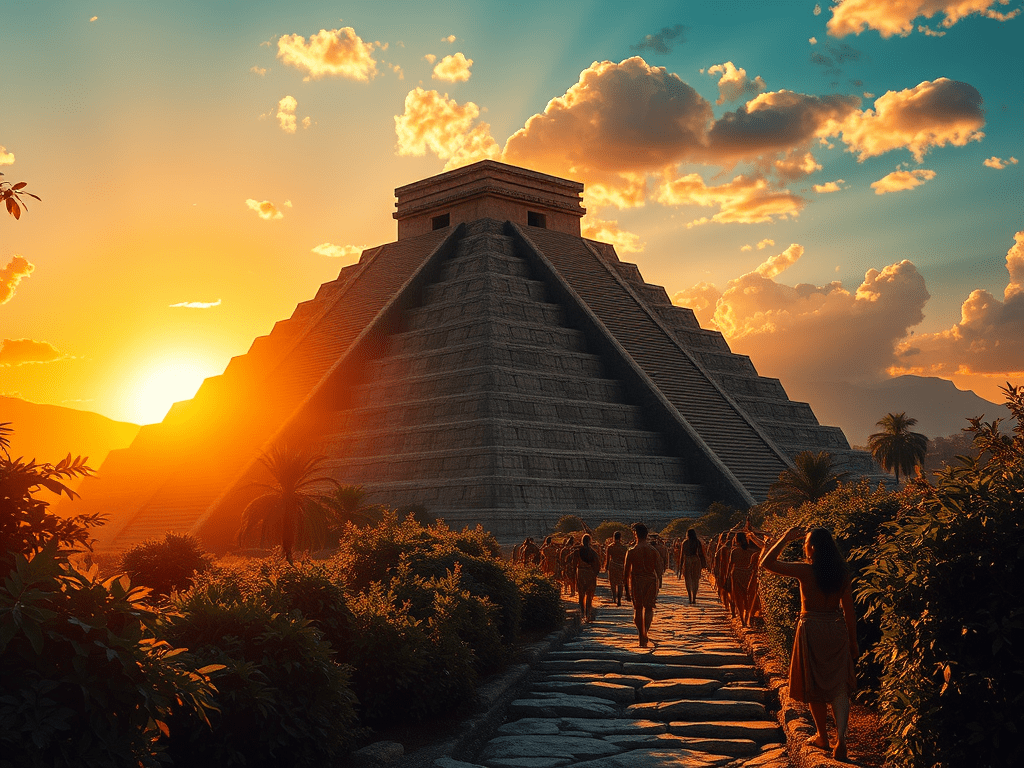
300 AD is one of those moments in Mexican history that feels like the world is taking a long, deep breath before things really take off. It’s not the peak of the Classic era yet (that’s coming around 600 AD), but you can already feel the electricity building. The stage is set, the actors are in costume, and entire civilizations gearing up for the big show.
Teotihuacán Rising
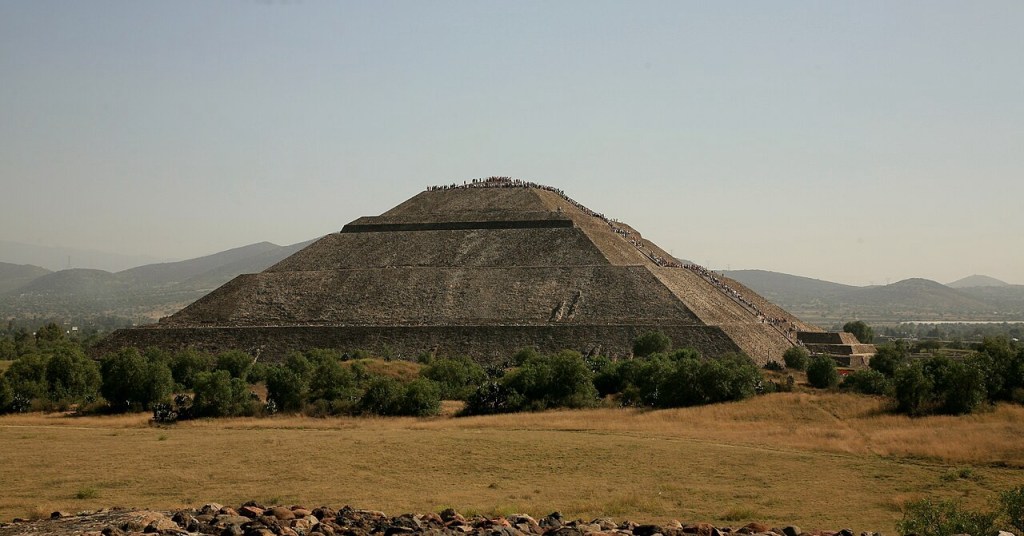
By 300 AD, Teotihuacán is already a massive urban experiment, population is about ~80,000–100,000 (some scholars go up to 125,000), with wide avenues, apartment compounds, and the big pyramids claiming their place in the skyline. The Pyramid of the Sun is finished, the Moon Pyramid is growing, and the city is becoming the beating heart of highland Mesoamerica.
If you zoom out to the whole world, Teotihuacán isn’t just a big deal for Mexico, it’s honestly one of the biggest cities on the planet around 300 AD. Rome is still number one, China has a couple of massive cities in the mix, and Alexandria in Egypt is holding steady. But even with all that, Teotihuacán still lands somewhere in the global top five. Imagine that: an American city, built without metal tools or horses, keeping up with the heavy hitters of the ancient world. It tells you just how organized, skilled, and connected this place already was.
Pyramid of the Sun
- Base: 225 × 225 m (738 × 738 ft)
- Height: 65 m (213 ft)
- This one of the largest pyramids in the world, rivaling some Egyptian monuments in volume.
- Status: Fully built by ~200 AD
- Meaning: We don’t have written texts from Teotihuacán explaining the symbolism, but archaeologists agree on a few key points:
- It likely honored a solar or creation-related deity.
- It wasn’t a tomb like Egyptian pyramids. It was a cosmic monument.
- Rituals likely happened on the top platform, involving offerings, incense, music, and processions.
- A sacred cave beneath the pyramid suggests it symbolized a place of origin, a womb of the earth where life or gods emerged.
Pyramid of the Moon
- Base (300 AD): ~130 × 150 m (426 × 492 ft)
- Height (300 AD): ~43–45 m (141–148 ft)
- Status: Near-final form but still growing.
It reaches its final height (~46 m / 151 ft) later in the Classic period, closer to 350–400 AD. - Meaning: It’s lined up perfectly with the mountain behind it, Cerro Gordo, the sacred mountain behind it
- It probably represented a mountain deity or water/fertility goddess.
- Major public rituals and processions happened in the huge plaza in front of it.
It may have been tied to ceremonies about agriculture, rain, cycles of nature, and the cosmic order.
Maya Cities Gearing Up
Down in the Maya lowlands, cities like Tikal, Uaxactún, Calakmul, and Copán are moving from early dynasties into full Classic swagger. You see:
- more stelae
- more political theater
- more long-distance alliances
- more cacao being used in elite settings
It’s not the glittering Classic Maya we’ll see in 600 AD… but you can feel it coming.
The Milpa in Full Form
This is the era when daily life settles into a rhythm you’d recognize across so much of Indigenous Mexico: maize, beans, squash, chile, and quelites, grown together in the milpa.
People eat mostly:
- tamales
- tortillas (still more rustic and thick)
- simple stews
- roasted chile salsas ground on a metate
- pumpkin seeds, beans, amaranth greens
It’s everyday food, but honestly? It’s genius-level nutrition.
Let’s talk eating real quick because I read a small snippet of information that blew my brain and then took me down a side rabbit hole.
Tortillas were the main utensil.
And not just tortillas… maize in all its forms (tortillas, tamales, small cakes) functioned the same way a spoon, scoop, or edible bowl would today.
Let me walk you through this because it’s genuinely mind-blowing once it clicks.
Did they have utensils?
- Forks = Nope.
- Metal forks didn’t exist in Mesoamericanot even for elites.
- Spoons = Only for cooking or serving.
- Not for personal eating.
- Tortillas = the utensil.
- Tear a piece > Fold > Scoop beans or stew > Eat > Repeat
- Tamales = another utensil
- Unwrap > Bite > Scoop with the tamale itself.
- Maize cakes = edible plates
- Thicker masa patties used to:
- Hold stew
- Caught drippings
- Be torn apart as you eat
- Thicker masa patties used to:
- Hands were also normal utensils
Why this matters
- Salsa texture makes sense now.
- Salsas were thick so they stick to your tortilla-spoon.
- Stews were chunky, not brothy.
- Brothy soups are spoon-heavy foods, not common before Spanish utensils.
- Why corn was life
- It wasn’t just calories,it was infrastructure.
It shaped HOW people ate. - Corn = utensil, plate, and napkin in one.
- It wasn’t just calories,it was infrastructure.
- Why tamales could be plain
- They were the “bread” to accompany the main dish.
What did exist on the table?
- Clay bowls
- Gourd bowls
- Wood or gourd ladles (for serving, not eating)
- Pottery mugs for cacao or atole
- Stone griddles (comales) full of tortillas ready to be torn
OG 300 AD OAXACA
- Morning
- Plain Maize Tamale: Leftover steamed maize bundle, warmed on the hearth.
- Seasonal Fruit
- Guava, sapote, or tejocote when available.
- Drink:
- Warm Maize-Water: coarse ground maize stirred into water; unsweetened.
- Snacks
- Toasted Squash Seeds: Fire-roasted pepitas, dry and portable.
- Travel Tamale: Small plain tamale wrapped in a leaf and carried during work.
- Drink: Water from stored clay vessels.
- Drink: Cold Maize-Water: shaken masa and water for energy.
- Main Midday Communal Meal
- Plain Steamed Maize Tamales: Hand-formed, steamed over boiling water; used as scoops.
- Thick Black Beans: Long-simmered, mashed, lightly seasoned with stone-ground chile.
- Fresh Avocado: Sliced and placed on top; unseasoned.
- Stone-Ground Chile Paste: Crushed chile (and tomatillo if seasonal), thick enough to cling to maize.
- Drink:
- Unsweetened Cacao in Water: bitter, whisked, sparingly served.
- Sweet Moment
- Honey on Maize: A rare drizzle of wild honey on tamale.
- Drink:
- Warm Herbal Infusion: hoja santa or similar leaves steeped in water.
Modern Oaxaca-Inspired Menu
Same structure, same food concepts — modernized, flavorful
- Breakfast
- Masa & Egg Stack: Crispy masa cake topped with soft-scrambled eggs, black bean purée, avocado, and chile–tomatillo drizzle.
- Drink:
- Honey Atole Latte: warm masa beverage blended smooth with milk and honey.
- Snacks
- Chile-Lime Pepita Snack Cup: Toasted squash seeds tossed with chile, lime zest, and flaky sea salt. Served warm in a snack cup, crunchy, portable, modern bar-snack energy.
- Grab-and-Go Mini Tamale Bite: A small masa tamale (black bean–filled or plain) wrapped in parchment like a modern “hand pie.” Soft, portable, and workday-friendly.
- Drink:
- Sparkling Mineral Water with a lime wedge.
- Iced Masa Horchata: chilled masa-based drink lightly sweetened with honey and cinnamon.
- Dinner
- Black Bean Tamale Bowl: Two filled masa tamales with black bean purée, avocado slices, roasted tomatillo salsa, charred corn, and fresh herbs.
- Drink:
- Chile-Honey Cacao: warm cacao with milk, honey, and a hint of chile.
- Dessert
- Toasted Corn Ice Cream: Corn-infused ice cream with caramelized corn swirls and pepita brittle.
- Drink:
- Cacao Hot Chocolate (or Cacao Old Fashioned for adults).
Tools & Craftsmanship
300 AD Mexicans are working with:
- metates and manos for grinding
- comales for tortillas
- decorated pottery
- weaving looms for cotton and maguey fibers
Don’t think of these as “primitive” technologies, they’re refined, tested, perfected.
Ya, but what did they build everything with?
Tools were mainly:
- obsidian blades (sharper than steel scalpel edges… truly incredibly sharp)
- basalt hammers
- stone chisels
- wooden levers
- fiber ropes
- hard stone scrapers
Everything, pyramids, apartments, sculptures, was done with stone tools.
Trade Routes Tighten
This is when you start seeing Mesoamerica become fully connected:
- obsidian from Pachuca
- cacao from the Maya lowlands
- salt from the Gulf
- shell and jade from the coasts
- feathers, pigments, textiles
Ideas travel too: architecture, symbols, beliefs. It’s a cultural conversation across hundreds of kilometers.
So what’s the vibe of 300 AD?
It’s the “setting the stage” moment.
The big civilizations are stabilizing, the cities are growing, the food systems are thriving, and the cultural groundwork is laid for everything that will explode into brilliance around 600 AD.


 Time Traveling Table
Leave a reply to Jason Mulvenna Cancel reply