
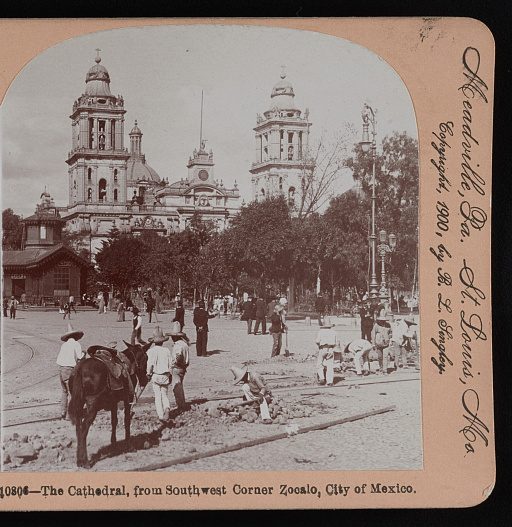
Step into a different time. In this post, we explore what daily life really looked like in Mexico in 1910, from the whistle of locomotives cutting across the countryside to the scent of frijoles simmering beside a clay comal before sunrise.
If you read my previous post on 1876 Mexico, you already saw a country standing at the edge of enormous transformation. After Porfirio Díaz seized power, the government poured energy into railroads, factories, mining operations, foreign investment, and the dream of “order and progress.” On the surface, Mexico looked modernizing, polished, even prosperous. New electric lights flickered across parts of the capital. Telegraph wires stretched farther each year. European fashions drifted into wealthy neighborhoods and café windows.
But that version of Mexico was not the whole story.
Many campesino and Indigenous communities were losing ancestral land to massive haciendas and foreign companies. Factory laborers worked exhausting hours for miserable pay. Miners faced brutal and dangerous conditions underground. Entire regions carried the weight of an economy designed to enrich elites first while rural families struggled simply to hold onto the soil beneath their feet.
This was a Mexico of contradictions. Elegant French inspired boulevards existed beside dusty village roads. Imported champagne shared tables with pulque. Hand embroidered rebozos brushed against sharply tailored European suits in crowded plazas and railway stations. Some families gathered around electric lamps while others still relied on candlelight and cooked over mesquite or ocote firewood before dawn.
And underneath all of it, pressure had been building for decades.
By 1910, frustration over land inequality, political repression, racial hierarchy, and labor exploitation had pushed much of the country toward open unrest. Revolution was approaching fast, even if daily life still had to continue. Milpas still needed tending. Bakers still rose in the dark to knead bread before the streets stirred awake. Children still chased one another through courtyards while adults lowered their voices to speak about politics, soldiers, disappearances, and survival.
So let’s step into that world together. Not just the presidents and battlefields that dominate textbooks, but the texture of ordinary life. The smells drifting from neighborhood kitchens. The exhaustion of physical labor. The music echoing through plazas. The routines, fears, celebrations, and tiny moments of joy that carried people through one of the most turbulent periods in Mexican history.
Just so we’re all on the same page. Please ensure you’ve made yourself acquainted with my disclaimer
A Day in the Life
What did an ordinary weekday actually feel like for people living through the final years of the Porfiriato?
When people picture Mexico during the early revolutionary era, they usually imagine armed revolutionaries on horseback or wealthy elites posing stiffly beside ornate French furniture. But most people did not live in that world at all. The majority of Mexicans were rural or semi rural agricultural families living in small villages, Indigenous communities, ranching settlements, or on hacienda lands. Daily life revolved around seasonal labor, Catholic traditions, family cooperation, and the constant work required simply to survive.
This sample day follows a working class mestizo or Indigenous family in central Mexico. They are not wealthy. They likely live in a modest adobe or stone home with packed earth floors, woven petates spread for sleeping, smoke stained cooking walls, and only a few durable pieces of furniture. Their world is communal, physically demanding, and deeply tied to daylight, weather, and the land itself.
Of course, routines varied across the country. A Maya family in Yucatán, a mining household in Chihuahua, and a fishing community along the Veracruz coast would each move through different landscapes, foods, and labor traditions. Even so, the broader rhythm of daily life would have felt familiar to millions of people across Mexico in 1910.
Men
For most working class men, life centered around exhausting physical labor and the responsibility of supporting extended family networks. Work often began before sunrise and stretched well into the evening, whether in milpas, mines, rail yards, workshops, ranches, textile factories, or haciendas. Hands were roughened from tools, sun exposure, and repetitive strain long before old age ever arrived.
Ideas about masculinity were tied closely to endurance, discipline, reliability, and authority within the household. Emotional tenderness certainly existed, of course, but public life expected men to appear controlled and resilient, especially during periods of political instability and economic hardship.
Moments of leisure still mattered deeply. After long workdays, men gathered in plazas, pulquerías, courtyards, or outside small neighborhood shops to share music, conversation, gambling games, storytelling, or local gossip. Community life remained loud, social, and deeply interconnected.
Women
Women carried an extraordinary amount of domestic and emotional responsibility within the household. Their labor was constant and rarely acknowledged publicly, even though the home itself depended entirely on it. A single day could include grinding maize, preparing tortillas by hand, hauling water, washing clothing, tending fires, caring for children, sewing, cleaning, feeding animals, and managing household food supplies with very little waste.
Many women also contributed financially through market sales, laundry services, textile work, food preparation, domestic labor, or informal neighborhood trade. In urban areas especially, some women worked as seamstresses, cooks, vendors, or servants within wealthier homes.
Privacy was limited. Much of daily life unfolded in crowded communal spaces filled with smoke, conversation, crying infants, wandering chickens, extended relatives, and neighbors moving in and out throughout the day. Even so, women often became the emotional center of the household, preserving traditions, recipes, religious practices, and family stability during periods of enormous uncertainty.
Children
Childhood in 1910 Mexico was closely intertwined with responsibility. Many children began contributing labor as soon as they were physically capable, helping care for siblings, feeding animals, carrying water, assisting with cooking, selling goods, running errands, or working beside adults in fields and workshops.
Education expanded during the Porfirian period, particularly in larger cities, but access remained uneven across rural Mexico. Some children attended small local schools for only a few years before work obligations pulled them back home permanently. Literacy rates improved slowly, though large portions of the population still lacked consistent formal education by 1910.
Even with those responsibilities, children still found space for play. Courtyards echoed with songs, chasing games, handmade toys, marbles, and improvised competitions woven naturally between chores and family obligations. Festivals and religious celebrations brought rare bursts of excitement, sweets, fireworks, music, and community gatherings that many children remembered for years afterward.
Toddlers & Infants
Very young children remained fully embedded within the rhythm of household life rather than separated from it. Babies were often carried in rebozos while adults worked, cooked, traveled, or sold goods in local markets. Caregiving responsibilities extended beyond parents alone and were frequently shared among grandmothers, older siblings, aunts, godparents, and neighbors.
Infant mortality remained painfully high during this period, especially in poorer rural regions where access to sanitation and medical care was limited. That reality made early childhood feel emotionally fragile in ways that shaped family life deeply. Religious rituals, herbal remedies, protective traditions, and close family attachment carried enormous emotional importance during a child’s earliest years.
Home Life
What did comfort, privacy, and cleanliness actually look like for ordinary families?
For most ordinary families, home was not spacious or private in the modern sense. The average working class household was compact, practical, and organized almost entirely around survival and daily labor. Depending on the region and available materials, families lived in adobe, stone, wood, or jacal homes made from woven branches coated in mud. Walls were often rough textured and sunbaked. Floors were usually packed earth, cool beneath bare feet in the morning and dusty by evening.
Inside, the air frequently carried the scent of smoke from indoor cooking fires, simmering beans, damp laundry, and ground maize. Ceiling beams remained exposed overhead, religious images hung beside doorways or sleeping spaces, and most possessions served a clear purpose. Decorative excess was rare outside wealthier homes. Objects needed to last.
A typical rural household might measure roughly 35–75 square meters (375–800 square feet) with only 1–3 rooms total. Parents, children, grandparents, and sometimes extended relatives often shared the same sleeping areas. Separate bedrooms were uncommon among poorer families, especially in rural communities where space and building materials were limited.
In wealthier urban neighborhoods during the Porfiriato, some middle and upper class families adopted more European inspired homes with parlors, tiled floors, private bedrooms, indoor plumbing, imported furniture, and decorative wallpaper. But that polished lifestyle represented only a small portion of the population, despite the image elite society tried so hard to project.
Sleeping Arrangements
Sleep followed daylight more than strict clock schedules. Most people woke before sunrise and went to bed shortly after dark, especially in communities without electricity. Nights were quieter than today, shaped more by candlelight, insects, distant dogs, and human conversation than by machines or traffic.
Sleeping arrangements varied heavily by class and geography, though many ordinary households relied on simple shared spaces.
Common sleeping setups included:
- Petates woven from palm or reed fibers and spread directly across the floor
- Wooden bed frames stuffed with straw, wool, or cotton mattresses
- Thick woven blankets for colder highland regions
- Hammocks in warmer climates, especially in Yucatán and tropical coastal areas
Children commonly slept beside parents or siblings, and privacy was minimal by modern standards. Communal sleeping arrangements were simply part of ordinary life.
Dedicated sleepwear was also uncommon among poorer families. Many people slept in lightweight cotton underclothes, long shirts, slips, or their everyday garments loosened for comfort. In colder regions, warmth mattered far more than specialized clothing.
Afternoon rest periods existed in many communities as well, especially during intense heat or after the main midday meal. These pauses were less about leisure and more about conserving energy before returning to physically demanding work.
Bathing & Cleanliness
Bathing depended heavily on access to water, geography, and income. Most households did not have indoor plumbing or dedicated bathrooms, so water usually had to be carried manually from wells, rivers, communal fountains, or irrigation sources in heavy clay jars or metal buckets.
Daily cleaning often involved basin washing, handmade soap, herbal rinses, hand washed clothing, and occasional full body bathing rather than modern daily immersion. In some towns and cities, communal bathhouses also existed.
Despite limited infrastructure, cleanliness still carried strong social and cultural importance. Swept floors, neatly braided hair, clean aprons, orderly kitchens, and carefully maintained religious altars reflected dignity, discipline, and family pride even in extremely modest households.
Household Objects & Daily Tools
Most homes contained relatively few possessions, but the objects people did own were deeply important to daily survival. Kitchens especially served as the center of household activity from before sunrise until late evening.
Common household tools and objects included:
- Metates for grinding maize into masa
- Clay comales for cooking tortillas over open flame
- Molcajetes for crushing chile, spices, and herbs
- Clay ollas for beans, stews, and water storage
- Candles or oil lamps for nighttime lighting
- Wooden trunks for storing clothing and blankets
- Rebozos draped beside beds or hanging near doorways
- Religious icons, crosses, saints, and devotional candles
- Clay water jars designed to keep drinking water cool through evaporation

During the later Porfirian years, wealthier urban households slowly gained access to newer technologies and imported goods, especially in Mexico City and other rapidly modernizing areas.
These could include:
- Sewing machines
- Cast iron stoves
- Imported porcelain dishes
- Kerosene lamps
- Telephones in elite homes
- Indoor electric lighting in parts of larger cities
But for most ordinary families, daily life still depended far more on human labor than machinery. The home was not simply a place for sleeping. It functioned simultaneously as kitchen, nursery, workshop, laundry space, storage room, and social center.
That physical closeness shaped family life profoundly. Even in crowded homes with few possessions, people built worlds filled with ritual, routine, memory, obligation, affection, and resilience.
Fashion & Beauty Standards
Clothing revealed class, labor, religion, regional identity, and sometimes even how hard a person’s life had been.
Fashion in Mexico during this era communicated far more than personal taste. Fabric quality, tailoring, hairstyles, shoes, posture, jewelry, and even the condition of someone’s hands could quietly signal class, ethnicity, occupation, marital status, or economic stability. Clothing carried social meaning everywhere, from crowded urban boulevards to isolated rural villages.
During the Porfiriato, wealthy urban elites increasingly embraced French and broader European fashion trends. At the same time, most ordinary families continued wearing practical garments shaped by climate, labor demands, regional textile traditions, and simple durability. Many pieces were handmade, patched repeatedly, and passed between relatives over time.
Beauty standards reflected these same social divisions. Elite society often idealized lighter skin, delicate styling, fitted silhouettes, and refined grooming, especially in larger cities heavily influenced by European aesthetics. Meanwhile, many working class and Indigenous communities valued physical health, thick hair, modest presentation, visible cleanliness, and practical strength far more than luxury or fragility.
Across nearly every social class, appearance carried moral weight. Looking orderly suggested discipline, dignity, self respect, and family honor.
Men
Most working class men wore loose cotton shirts, straight cut trousers, woven sombreros, and huaraches or rough leather boots depending on income and occupation. Clothing needed to withstand heat, dust, repetitive labor, and constant repair. Fabrics were usually manta cloth, cotton, wool, or coarse woven textiles chosen more for resilience than fashion.
Common accessories and garments included:
- Serapes in colder regions
- Suspenders or leather belts
- Work jackets
- Broad brimmed hats for sun protection
- Simple woven sashes
In wealthier urban circles, men increasingly adopted European inspired fashion including tailored suits, polished leather shoes, walking canes, pocket watches, gloves, and carefully shaped hats influenced by Parisian trends.
Facial hair was extremely fashionable across many social classes, especially mustaches. A thick, well maintained mustache often symbolized masculinity, authority, maturity, and social respectability. Hair was usually kept short and neatly combed, particularly in cities.
Working class men were often lean and wiry from physically demanding labor and inconsistent nutrition. Wealthier men sometimes appeared softer or heavier, which could quietly signal status and reliable access to food.
Tattoos remained relatively uncommon in mainstream society and were more often associated with sailors, military life, criminal circles, or marginalized groups rather than fashion.
Women
Women’s clothing balanced modesty, practicality, regional identity, and social expectations. Working class and rural women commonly wore long cotton skirts, loose blouses, aprons, braided hairstyles, and rebozos used for warmth, carrying infants, transporting goods, or covering the head during church services.
Clothing was usually breathable but durable, sewn carefully by hand and repaired repeatedly over time. Fastenings varied by region and class and might include fabric ties, buttons, hooks, or lacing.
Urban upper class women embraced far more elaborate European influenced styles with fitted bodices, corsets, lace detailing, gloves, parasols, heeled shoes, perfume, and carefully arranged hairstyles. Pale skin remained fashionable among elites because it suggested distance from outdoor labor and sun exposure.
Beauty standards for women often emphasized:
- Thick dark hair
- Clear skin
- Modesty
- Graceful posture
- Domestic skill
- Visible cleanliness
- Physical health and fertility
Most working women developed strong shoulders, forearms, and backs from grinding maize, carrying water, scrubbing clothing by hand, and managing physically exhausting domestic labor. Fragility was not usually idealized within poorer communities the way later beauty culture sometimes promoted. Looking healthy, capable, and resilient mattered far more.
Cosmetics certainly existed, though access varied heavily by class. Wealthier women used imported powders, perfumes, pomades, and beauty products, while poorer households relied more on herbal rinses, homemade soaps, scented oils, and traditional grooming practices passed through generations.
Children & Babies
Children’s clothing often resembled simplified versions of adult garments. Boys typically wore loose shirts, short trousers, suspenders, straw hats, and simple leather shoes when affordable. Girls commonly wore dresses, aprons, ribbons, and braided hairstyles.
Shoes were expensive for many families, especially in rural regions, so large numbers of children spent much of childhood barefoot.
Babies remained physically close to caregivers throughout the day, wrapped in blankets, cloth carriers, or rebozos while adults worked nearby. Infants were usually baptized very young because of both strong Catholic traditions and high infant mortality.
Jewelry for ordinary families remained fairly modest and often carried religious meaning.
Common items included:
- Small earrings
- Religious medals
- Rosaries
- Hair ribbons
- Cross necklaces or keepsakes
For children especially, appearance focused more on neatness and cleanliness than fashion trends. A carefully braided hairstyle or freshly washed face reflected positively on the entire household.
Hygiene & Grooming
Bathing practices depended heavily on water access, geography, and income, but personal grooming still held strong cultural importance. Even modest households often placed enormous value on appearing orderly and presentable.
Daily grooming tools and practices commonly included:
- Homemade soaps
- Wash basins
- Herbal rinses
- Combs carved from wood or bone
- Scented oils or floral waters when affordable
Hair was frequently brushed, braided, or carefully arranged each morning, especially for women and girls. Clothing was scrubbed by hand and line dried outdoors, often becoming a major weekly labor task.
That balance between practicality, beauty, labor, and presentation still echoes through Mexican fashion culture today. Clothing was never just decoration. It carried identity, survival, pride, morality, and social belonging stitched into every seam.
Average Height & Weight
What did ordinary bodies actually look like before industrialized food and modern medicine reshaped everyday life?
Body size during this period was shaped heavily by nutrition, disease exposure, childhood labor, poverty, regional genetics, and physically demanding lifestyles. Most ordinary Mexicans were shorter and leaner than modern populations, particularly in rural and Indigenous communities where diets could become repetitive during droughts, crop failures, or economic instability.
These numbers are broad estimates rather than precise national averages. Mexico has always been regionally diverse. Northern ranching populations often averaged taller builds than some southern Indigenous communities, while urban elites generally had better nutrition and medical access than rural laborers.
Men
The average working class adult man likely stood around 160–165 cm (5’3”–5’5”) and weighed approximately 55–68 kg (120–150 lbs).
Most laboring men developed lean, sinewy physiques through:
- Agricultural labor
- Carrying heavy loads
- Railroad work
- Mining
- Long hours of walking
Broader muscular builds certainly existed, especially among ranchers or laborers with steadier food access, but widespread poverty and disease kept obesity relatively uncommon outside wealthier circles.
Women
The average working class adult woman likely stood around 148–155 cm (4’10”–5’1”) and weighed approximately 45–60 kg (100–132 lbs).
Women’s bodies were shaped by:
- Repeated pregnancies
- Carrying water and firewood
- Grinding maize daily
- Hand washing laundry
- Nutritional inconsistency
- Constant physical labor
Many women developed remarkable upper body strength despite appearing petite by modern standards. Fuller body shapes were not necessarily stigmatized in poorer communities, where visible health and fertility often mattered more than fashionable thinness.
Children
Children were generally smaller than modern averages due to:
- Childhood illness
- Nutritional limitations
- High physical workloads
- Limited medical care
Stunted growth remained relatively common in impoverished rural regions, especially among communities facing chronic food insecurity or displacement from ancestral lands.
Upper Class Differences
Wealthier urban families often appeared noticeably taller and heavier because of:
- Better childhood nutrition
- Greater access to meat and dairy
- Reduced physical strain
- Improved sanitation
- Lower disease exposure
Those physical differences between elites and laboring populations could be striking in everyday life and quietly reinforced existing class divisions.
Diet & Daily Meals
Food was shaped by labor, season, geography, and survival. Every meal carried the weight of work behind it.
What people ate depended enormously on class, region, climate, and access to land. A mining family in Chihuahua, a fishing community along Veracruz, and an Indigenous village in Oaxaca would all recognize certain shared staples while still eating very different daily diets. Mexico was not one unified cuisine. It was dozens of deeply regional food traditions connected by maize, chile, beans, and hard physical labor.
For most ordinary families, food was local, repetitive, and seasonal by necessity. Refrigeration remained rare outside wealthier urban households, so ingredients were usually grown nearby, bought fresh from markets, dried, fermented, salted, or cooked the same day they were eaten. Kitchens depended more on firewood, charcoal, grinding stones, and human labor than machinery.
And at the center of nearly everything sat maize.
Tortillas were not considered a “side dish” the way many people imagine today. They were the foundation of eating itself. Families built entire routines around planting maize, preparing nixtamal, grinding masa, tending comales, and stretching each batch of tortillas far enough to feed the household.
Common staple foods included:
- Fresh tortillas
- Beans
- Chile sauces
- Squash
- Tomatoes
- Nopales
- Rice in some regions
- Seasonal fruit
- Wild herbs like epazote or quelites
- Eggs when available
- Small portions of meat on better days
Protein came more consistently from beans than animal products for many poorer households. Chicken, goat, pork, or beef certainly existed, but meat was often stretched carefully through stews, broths, sauces, or special occasion dishes rather than served in large portions.
Food preparation itself consumed enormous portions of the day, especially for women. Grinding nixtamal on a metate could take hours daily before industrial mills became widespread. Carrying water, preserving ingredients, gathering firewood, tending animals, shopping at markets, and cooking over smoke and open flame required constant physical effort.
In many homes, food was not separate from life. It was life.
How Families Ate
Meals followed labor more than strict clock schedules. People ate early before work, carried simple portable foods through the day, and gathered for the largest meal in the afternoon once the hardest labor slowed.
That afternoon meal often became the emotional center of the household. Families gathered together while pots simmered, tortillas warmed on the comal, and conversation drifted through kitchens and courtyards after long hours of labor.
And despite hardship, flavor still mattered deeply. Mexico was not surviving on bland peasant food. Even humble meals layered smoke, chile heat, herbs, toasted maize, and slow cooked depth into everyday cooking. Those flavors became tied to comfort, memory, family, and home itself.
By evening, kitchens quieted into softer routines of reheated tortillas, beans, atole, coffee, and conversation near the warmth of the hearth.
Regional Food
Geography shaped daily diets enormously, and Mexico’s cuisine varied dramatically from one region to another.
- Northern Mexico: More flour tortillas, beef, goat, dried meat, and cheese shaped by ranching culture and drier climates
- Central Mexico: Maize tortillas, beans, nopales, squash, chile sauces, and pulque formed the backbone of everyday eating
- Southern & Indigenous Communities: Strong maize traditions including tamales, pozoles, fermented drinks, cacao beverages, wild herbs, river fish, and tropical fruit
- Coastal Regions: Seafood, coconut, plantain, tropical produce, and regional fishing traditions appeared far more frequently than inland communities
Drinks People Actually Consumed
Water safety varied widely, so beverages carried enormous importance in daily life. Drinks provided hydration, calories, stimulation, ritual, and comfort depending on region and class.
Common drinks included:
- Atole, a thick masa based drink flavored with piloncillo, cinnamon, chocolate, fruit, or anise
- Pulque, made from fermented maguey sap and deeply tied to working class and rural social life despite elite criticism during the Porfiriato
- Chocolate drinks, especially in urban middle class or wealthier households
- Coffee, which became increasingly widespread in cities and coffee growing regions
- Aguas frescas flavored with ingredients like tamarind, hibiscus, lime, tuna fruit, or melon
- Beer, which expanded rapidly through industrial breweries in larger cities during the late Porfirian years
Sweets, Festivals & Special Foods
Daily desserts in the modern sense were not universal for ordinary families. Sweet foods were more closely tied to festivals, religious celebrations, market days, harvest seasons, or special occasions.
Seasonality mattered tremendously. Mangoes, tunas, guavas, zapotes, oranges, melons, and mamey appeared according to local harvest cycles and climate rather than refrigerated supermarket distribution.
From the Past to the Present
One of my favorite parts of this project is rebuilding a realistic historical food day, then tracing how those same flavors, techniques, and traditions might naturally evolve into a modern Mexican table. These are not “inspired by” menus disconnected from history. They are culinary descendants.
The first menu reflects a plausible middle-class household during the late Porfiriato. The second follows the same food lineage into a more contemporary kitchen while keeping the soul of the original dishes intact.
Plan 1: Fully Historical
Urban / Small-Town Middle-Class Household
This reflects a day for a household with modest but meaningful disposable income. The family has access to bakeries, dairy, coffee, bottled beverages, and refined desserts while still remaining deeply rooted in traditional Mexican foodways.
Morning Food
- Huevos rancheros with fresh corn tortillas, refried beans, and roasted salsa ranchera
Fried eggs served alongside handmade tortillas, beans reheated with manteca, and fire roasted salsa. Filling, practical, and realistic for households with slightly greater means. - Café de olla
Coffee brewed with piloncillo and cinnamon, increasingly common in urban and middle-class households where coffee had become more practical for daily life than chocolate.
Snack
- Small sopes with beans, queso fresco, crema, and salsa
Thick masa rounds cooked on the comal and topped modestly. Common as both household food and market snacks. - Horchata
A refreshing rice based drink realistic for homes with regular market access.
Main Communal Meal
Largest Meal of the Day
- Sopa de tortilla
Broth based soup with chile, tomato, fried tortilla strips, cheese, and crema rooted deeply in central Mexican foodways. - Enchiladas rojas with chicken, alongside beans and rice
Corn tortillas softened in chile sauce and filled modestly before being served communally alongside rice and beans, reflecting the expanding middle-class table during the late Porfiriato. - Iron Beer soda
A nod to the growing influence of bottled commercial beverages and imported industrial food culture.
Sweet Item
- Flan
Egg custard with caramel reflecting Spanish culinary influence and greater access to sugar, eggs, and dairy. - Chocolate Oaxaqueño
Rich frothed hot chocolate served as a slower, more indulgent pairing tied closely to hospitality and tradition.
Plan 2: Modern Adaptation
This version follows the same food lineage while evolving each dish into something more contemporary, polished, and restaurant ready without abandoning its historical roots.
Morning Food
- Blue corn huevos rancheros tostadas with black bean purée, ranchera salsa, avocado, whipped queso fresco, and pickled onion
- Iced café de olla latte
Cinnamon piloncillo espresso with chilled milk or oat milk.
Snack
- Trio of mini heirloom masa sopes with refried beans, crema, queso fresco, salsa roja, and chile oil
- Toasted rice horchata with cinnamon foam
Main Communal Meal
- Modern tortilla soup with roasted tomato broth, avocado, crispy tortilla strips, crema, queso fresco, and ancho oil
- Enchiladas rojas with braised chicken, smoky chile sauce, arroz rojo, charred beans, crema, and pickled vegetables
- Spiced cola style artisanal soda
Sweet Item
- Burnt caramel flan with cinnamon cream and piloncillo brittle
- Oaxacan chocolate espresso or chilled spiced chocolate
Climate & Environment
Mexico was never one single landscape. Geography shaped food, labor, clothing, disease, architecture, and the rhythm of daily survival.
Mexico’s environment varied dramatically from region to region, and daily life changed with it. A family living in the deserts of Sonora experienced an entirely different world than one surrounded by the humid jungles of Chiapas or the volcanic valleys of central Mexico. Climate was not background scenery. It shaped nearly every aspect of survival.
For many working families, weather directly controlled:
- Planting and harvest cycles
- Water access
- Disease exposure
- Housing materials
- Work schedules
- Food preservation
- Clothing choices

.jpg?utm_source=chatgpt.com)
Northern Mexico
Northern regions like Chihuahua, Sonora, Coahuila, and Durango were shaped by dry grasslands, desert scrub, rugged mountains, and harsh seasonal swings. Summer temperatures regularly climbed to 30–40 °C (86–104 °F) while winter nights could drop near freezing.
Water scarcity shaped nearly everything. Ranching economies dominated many areas, adobe construction helped regulate indoor temperatures, and broad sombreros protected laborers from relentless sun exposure. Drought could devastate crops and livestock alike.
Central Highlands
Central Mexico, including Mexico City, Puebla, and Guanajuato, benefited from cooler high elevation climates and fertile volcanic valleys. Temperatures often stayed between 20–28 °C (68–82 °F) during warmer months, making the region one of the country’s most agriculturally productive areas.
This environment supported:
- Dense urban populations
- Milpa agriculture
- Textile industries
- Expanding rail networks
- Major political and economic centers
The central highlands became the demographic and political heart of the nation partly because the climate was comparatively stable and favorable for large scale settlement.
Gulf Coast & Veracruz
The Gulf Coast was humid, lush, and intensely tropical. Swamps, mangroves, rainforests, sugar plantations, and coastal wetlands defined much of the landscape. Temperatures often hovered around 28–35 °C (82–95 °F) with humidity regularly reaching 70–90%.
The region supported:
- Sugarcane
- Coffee
- Tropical fruit
- Fishing economies
- Major port trade
But tropical abundance came with serious challenges. Flooding, hurricanes, malaria, mosquitoes, and waterborne disease shaped daily life constantly along the Gulf.
Southern Mexico & Yucatán
Southern regions like Oaxaca, Chiapas, Tabasco, and the Yucatán Peninsula contained some of the country’s richest ecological diversity. Dense jungle, limestone plains, mountain villages, tropical forests, and coastal wetlands created dramatically different local environments even within the same state.
High humidity and temperatures often reaching 25–38 °C (77–100 °F) influenced everything from architecture to textiles. Homes required greater airflow and ventilation, while regional diets relied more heavily on tropical produce, cacao, river fish, and Indigenous agricultural traditions that remained deeply rooted despite modernization elsewhere.
Rainy & Dry Seasons
Much of Mexico functioned around two broad seasonal rhythms:
- Dry season: roughly November through April
- Rainy season: roughly May through October
Rainfall patterns could determine whether communities thrived or struggled. Failed rains threatened maize harvests, grazing conditions, river transport, and food security for entire regions.
Mexico contains deserts, volcanic valleys, prairie, rainforest, mountain forests, tropical coastlines, and fertile agricultural basins all within one national border. Few countries possessed such environmental diversity packed into a single landscape.
Population & Top Cities
Where were people actually living, and how urbanized was Mexico becoming?
Mexico during this era remained overwhelmingly rural, agrarian, and regionally diverse. Railroads, mining wealth, factories, and modernization projects were transforming parts of the country, especially under Porfirio Díaz, but most people still lived far from major urban centers. The average Mexican was much more likely to grow up in a farming village, Indigenous pueblo, ranching settlement, or hacienda community than in a dense industrial city.
By the beginning of the revolutionary period, Mexico’s population was estimated around 15–15.5 million people, though census accuracy varied widely in remote rural regions.
National Population Breakdown
Approximate national population patterns looked something like:
- 70–80% rural
Villages, ranchos, haciendas, Indigenous communities, and agricultural settlements - 15–20% small towns and regional centers
Market towns, railway hubs, municipal centers, and mining communities - 5–10% major cities
Mexico City, Guadalajara, Puebla, Monterrey, Veracruz, and other growing urban centers
Even many “towns” by modern standards remained relatively small communities surrounded by farmland and tied closely to regional agriculture.
The Largest Cities
1. Mexico City (Ciudad de México)
Estimated population: ~470,000–500,000
The political and cultural heart of the nation, Mexico City represented the clearest image of Porfirian modernization. Electric lighting, rail stations, theaters, French inspired boulevards, and elite mansions existed alongside overcrowded vecindades, labor unrest, poverty, and growing revolutionary tension.
- Political and financial center
- Rapid industrial growth
- Expanding revolutionary tension
2. Guadalajara
Estimated population: ~100,000–120,000
Guadalajara functioned as one of western Mexico’s most important commercial and cultural centers. Agriculture, artisan industries, strong Catholic influence, and a growing middle class shaped much of the city’s identity.
- Agricultural commerce
- Religious influence
- Regional cultural identity
3. Puebla
Estimated population: ~95,000–110,000
Puebla remained one of Mexico’s most historically important colonial and industrial cities. Positioned between Veracruz and Mexico City, it became a major manufacturing and transportation corridor.
- Textile production
- Catholic influence
- Industrial labor growth
4. Monterrey
Estimated population: ~75,000–90,000
Monterrey rapidly emerged as one of northern Mexico’s major industrial centers. Steel, brewing, manufacturing, and cross border commerce fueled explosive economic growth during the late Porfirian years.
- Heavy industrialization
- Manufacturing and steel
- Northern trade networks
5. Veracruz
Estimated population: ~50,000–65,000
As one of Mexico’s most important ports, Veracruz connected the country to international trade, migration, military movement, and imported goods. Tropical coastal culture mixed constantly with global commercial influence.
- Maritime trade
- International commerce
- Cultural exchange and migration
Economy & Jobs
How did people actually survive, earn money, and navigate an economy built on enormous inequality?
Mexico’s economy during this period was rapidly modernizing on paper while remaining deeply unequal in practice. Railroads expanded across the country, foreign investors poured money into mining, oil, agriculture, and industry, and wealthy landowners accumulated extraordinary political and economic power under Porfirio Díaz.
But for most ordinary people, daily life still revolved around instability, physical labor, and survival close to the land.
Many families survived through a combination of:
- Wage labor
- Subsistence farming
- Household production
- Informal market trade
- Debt peonage
- Local barter systems
Money absolutely existed and circulated widely, especially in cities, mining towns, ports, and regional markets. At the same time, many rural communities still depended partly on barter, shared labor, and self produced goods because wages remained low, inconsistent, or deliberately manipulated by employers.

. Mexico City Mexico, ca. 1919. Meadville, Pa.: Keystone View Company. Photograph. https://www.loc.gov/item/98500555/.
Debt Peonage & Hacienda Labor
One of the harshest realities of the period was debt peonage, especially on large haciendas.
Many laborers were paid partially through:
- Paying workers in store credit instead of real cash
- Requiring families to buy food, clothing, or supplies directly from hacienda owned stores, which were using hugely marked up
- Charging workers for housing, tools, or basic necessities
- Keeping debt records that workers could rarely repay fully
- Preventing laborers from leaving while debts remained unpaid
This often trapped workers economically for years or even generations. Leaving a hacienda could mean abandoning shelter, accumulated credit, or access to food entirely.
Although the Porfiriato promoted modernization and economic growth internationally, much of that prosperity rested on exploitative labor systems hidden beneath the surface.
Yucatán & “Green Gold”
One of the clearest examples of this inequality appeared in the Yucatán Peninsula through the henequén industry.
Henequén, sometimes called “green gold,” was a fibrous agave plant used to produce rope, twine, sacks, and industrial shipping materials before synthetic fibers became widespread. Global demand made Yucatán enormously profitable during the late nineteenth and early twentieth centuries, especially through exports to the United States and Europe.
The wealth generated by henequén transformed elite hacendado families into some of the richest people in Mexico.
But that wealth came at immense human cost.
Many Maya laborers worked under brutally exploitative debt systems that severely restricted mobility and tied entire communities to plantation labor. Endless rows of sharp henequén plants stretched beneath intense tropical heat while workers cut leaves by hand and processed fibers through dangerous machinery.
Class Structure
Economic inequality shaped nearly every aspect of daily life, from housing and education to food access, clothing, and political influence.
Most people belonged to the rural or urban working class. This included campesinos, miners, factory laborers, domestic workers, market vendors, artisans, and peons tied to haciendas or agricultural estates. Their lives were often physically demanding, economically unstable, and heavily dependent on seasonal labor or local harvests.
A smaller but growing middle class emerged in larger towns and cities through jobs like teaching, clerical work, government service, skilled trades, and small business ownership. These families often had greater access to education, literacy, consumer goods, and modest social mobility, though financial security still remained fragile.
Above them stood a relatively small elite class made up of hacienda owners, industrialists, politicians, foreign investors, and wealthy merchants. Despite representing only a fraction of the population, they controlled enormous amounts of land, wealth, and political power during the Porfiriato.
🪙 Cost of Living & Economic Reality
What did daily survival actually cost, and how difficult was it to move beyond it?
For most ordinary families, every purchase required strategy. Wages were often painfully low, especially for rural laborers, domestic workers, miners, and factory hands. Many households survived through a constant balancing act between cash wages, barter, home production, seasonal labor, and family cooperation.
A typical laborer might earn only 0.25–1.5 pesos per day, which meant the real cost of goods was measured less in numbers and more in hours of labor, physical exhaustion, and sacrifice.
What Daily Necessities Cost
Basic staple foods remained the most important household expenses.
Approximate prices could include:
- 1 kg (2.2 lbs) of maize tortillas: ~0.05–0.15 pesos
- 1 kg (2.2 lbs) of dry beans: ~0.10–0.30 pesos
- Bread loaf: ~0.10–0.25 pesos
- Dozen eggs: ~0.20–0.50 pesos
Larger purchases became far more difficult for poorer households.
- Basic shoes or huaraches could represent several days or even weeks of wages
- Fabric for clothing often needed to serve multiple garments, repairs, or household uses
- Home construction usually happened gradually through family labor rather than large cash purchases
Land ownership remained one of the clearest markers of long term security and wealth.
How Families Survived
Many households relied on far more than wages alone to survive.
Families stretched resources through:
- Home gardening
- Raising animals
- Repairing clothing repeatedly
- Multigenerational households
- Shared labor networks
- Barter and informal exchange
Children also contributed economically from a young age. Depending on region and class, they might help with farming, livestock, market work, domestic labor, sibling care, workshops, or factory jobs because many families depended on every available worker to get by.
Medical care remained financially difficult for many ordinary people, which meant families often relied first on herbal remedies, home treatments, religious traditions, or local healers before seeking formally trained doctors.
Could People Rise or Fall in Status?
Social mobility existed, but it was limited.
Some people improved their circumstances through:
- Education
- Military service
- Skilled trades
- Migration to growing cities
- Small business ownership
- Government work
At the same time, downward mobility remained extremely common. A failed harvest, illness, drought, debt, workplace injury, political instability, or land loss could destabilize an entire family very quickly.
For many rural communities especially, economic systems were structured in ways that made lasting upward mobility difficult no matter how hard people worked.
The Wealth Divide
Elite households could access imported fabrics, refined foods, private servants, electricity, indoor plumbing, European furnishings, and educational opportunities unavailable to most of the population.
Meanwhile, many ordinary families focused simply on securing enough maize, water, fuel, shelter, durable clothing, and stable work to survive difficult seasons.
That divide between luxury and subsistence became one of the defining social fractures of the era. Beneath the expanding railroads, factories, and modern city architecture stood millions whose labor sustained national growth while remaining largely excluded from its rewards.
Health
Explore life expectancy, healthcare practices, and the everyday dangers people learned to live beside.
For most ordinary families, staying healthy was less about visiting doctors and more about surviving the constant physical strain of everyday life. Contaminated water, dangerous labor, childbirth complications, poor sanitation, infectious disease, and inconsistent nutrition shaped daily survival far more than modern medicine ever could. Hospitals, antibiotics, and widespread vaccination remained limited or inaccessible for much of the population, especially outside major cities.
For many ordinary families, survival depended not on avoiding illness entirely, but on enduring a constant stream of physical hardships ranging from parasites and infections to dangerous labor injuries and chronic malnutrition.
Life Expectancy & Child Survival
Childhood was the most dangerous stage of life. If a person survived early childhood, especially past age five, they had a much stronger chance of living into their 50s or 60s depending on region, wealth, occupation, and disease exposure.
In poorer regions, roughly 25–40% of children may not have survived to adulthood. Infant mortality was especially severe due to diarrheal disease, pneumonia, measles, malnutrition, birth complications, and contaminated water.
Death, especially in childhood, was tragically familiar to many families in ways that are difficult for much of the modern world to fully imagine. Baptism often occurred very early because losing infants and young children was heartbreakingly common.
Healthcare & Healing
Medical care varied enormously depending on wealth and location.
Wealthier urban families had greater access to physicians, formal hospitals, imported medicines, and European influenced medical care. For most ordinary people, though, healthcare happened much closer to home. Families relied heavily on parteras, curanderos, herbal healers, apothecaries, religious traditions, and knowledge passed between generations.
Treatments often involved herbal teas, poultices, massage, sweat baths, alcohol tinctures, prayer, bone setting, and traditional postpartum care. Indigenous botanical knowledge remained deeply important across much of the country and frequently blended with Catholic spirituality and regional healing customs.
Women faced especially dangerous reproductive risks due to frequent pregnancies, infection, hemorrhage, and limited obstetric care. Midwives played an essential role in many communities, particularly in rural areas where doctors remained distant or unaffordable.
Hygiene & Sanitation
Despite limited infrastructure, personal cleanliness still carried strong cultural importance. Families washed clothing by hand, swept dirt floors daily, braided hair carefully, bathed when water access allowed, and tried to maintain orderly homes even in very modest conditions.
But sanitation systems themselves remained uneven and often inadequate, especially in rapidly growing cities.
Most ordinary homes did not have indoor plumbing or modern sewage systems. In rural areas, human waste was commonly disposed of through outhouses, open pits, field disposal, or natural decomposition away from living spaces. Chamber pots were also common and had to be emptied manually, sometimes into drainage ditches, canals, or designated waste areas outside the home.
In poorer urban neighborhoods, overcrowding created serious sanitation problems. Animal waste, standing water, garbage, food scraps, and human waste could accumulate in streets, canals, or open drainage systems, especially after heavy rains. This helped diseases spread quickly through contaminated water and insects.
Bathing practices depended heavily on geography and water access. Some families bathed in rivers, lakes, public bathhouses, or with wash basins inside the home. In some Indigenous communities, temazcal steam baths remained important for both hygiene and healing traditions.
Most women relied on reusable cloths or layered fabric during menstruation, which required regular washing and drying. Soap was often homemade and used carefully because producing or purchasing it still required labor and resources.
Even with these challenges, cleanliness remained tied closely to dignity, morality, and family pride. A swept courtyard, clean apron, braided hair, or freshly washed child still carried deep social meaning regardless of wealth.
Disease & Daily Risk
Illness and injury remained constant parts of life for much of the population, especially among poorer rural and working class communities where sanitation, nutrition, and medical access were limited.
Some of the most common recurring health threats included:
- Tuberculosis
One of the deadliest long term illnesses of the era, especially in crowded cities and mining communities where poor ventilation and close living conditions helped the disease spread. - Waterborne diseases
Dysentery, cholera, and typhoid regularly spread through contaminated water, poor drainage systems, and overcrowded neighborhoods. - Malaria and tropical disease
In humid coastal and tropical regions, mosquitoes carried malaria and other illnesses that could devastate entire communities. - Childbirth complications
Infection, hemorrhage, and limited obstetric care made pregnancy and childbirth dangerous for many women, especially in isolated rural regions. - Workplace injuries
Mining accidents, agricultural injuries, railroad labor, factory machinery, burns, untreated wounds, and chronic physical strain permanently damaged many workers’ bodies. - Malnutrition and parasites
Even when people had enough food to survive, diets could become repetitive and nutritionally limited during droughts, poverty, or crop failure. Parasitic infections also remained common in many areas.
Social & Family Structure
Who lived together, who held authority, and what actually kept communities functioning day to day?
Family formed the true backbone of daily life during this era. While national politics churned through dictatorship, modernization, and revolution, most ordinary people experienced the world primarily through kinship, labor, religion, marriage, and community obligation. Identity was rarely understood in the highly individualistic way many people imagine today. A person’s place in the world was deeply connected to family role, reputation, labor contribution, and social duty.
Most households operated within broadly patriarchal systems shaped by Catholicism, Spanish colonial traditions, Indigenous communal structures, regional customs, and economic necessity. Men usually held formal public authority, especially legally and financially, but daily household power often looked far more complicated in practice.

Household & Gender Roles
For poorer and rural families, survival usually depended on strong multigenerational networks rather than isolated nuclear households. Grandparents, married children, cousins, godparents, and extended relatives often lived together, nearby, or within tightly connected village compounds.
Families commonly shared:
- Labor
- Childcare
- Cooking
- Food resources
- Agricultural work
- Financial burdens
This closeness was practical as much as emotional. In difficult seasons, survival often depended on how much support a family network could provide.
Society broadly expected men to act as providers and public heads of household, while women carried enormous responsibility inside domestic life. Mothers and grandmothers often directed food preparation, finances, religious traditions, childcare, healthcare, and the emotional stability of the household itself.
Marriage, Children & Elders
Marriage was overwhelmingly shaped by Catholic norms, though economic practicality and family reputation mattered just as much as romance. Church weddings remained deeply important, while civil marriage slowly expanded during the Porfirian years.
Women often married in their late teens or early twenties, while men generally married slightly later once they could better support a household financially. Expectations varied enormously depending on region, class, Indigenous custom, and economic security.
Large families were common, with many households having roughly 4–8 children, though survival rates varied dramatically due to high infant and childhood mortality. Children were viewed not only as loved family members, but also as future workers, caregivers, and long term security for aging parents.. From an early age, many children helped with farming, cooking, childcare, errands, market work, or household labor.
Elders remained deeply integrated into daily life rather than socially separated from it. Grandparents often helped preserve oral history, religious traditions, agricultural knowledge, healing practices, and family memory across generations.
Community & Compadrazgo
Social life extended far beyond the immediate household. Villages, churches, markets, festivals, and mutual aid networks all helped bind communities together.
One especially important tradition was compadrazgo, the system of godparent relationships that created social ties beyond blood relatives. Godparents were not simply ceremonial figures. These relationships often strengthened economic support, childcare systems, social trust, religious obligation, and long term family alliances.
In many communities, these extended social networks became essential survival structures during illness, financial hardship, crop failure, or political instability.
The Social Foundation of Daily Life
Mexican society rested heavily on family, religion, labor, reciprocity, and regional tradition. Those systems could be deeply loving and supportive, but they could also reinforce strict gender expectations, class hierarchy, and generational pressure.
Even during periods of enormous political upheaval, family remained the institution most responsible for feeding people, raising children, caring for the sick, preserving culture, and helping ordinary households survive uncertainty.
In many ways, it was the true government of daily survival.
Childhood & Parenthood
What was it like to be a kid, or raise one?
Childhood in Mexico during this era was closely intertwined with family labor, religion, responsibility, and communal life. Children were loved and protected, but they were also expected to contribute to the household from a young age through chores, caregiving, farming, market work, or domestic labor depending on class and region.
For parents, raising children required constant resilience. Large families were common, resources could be limited, and high infant mortality meant many households lived with a level of uncertainty and grief that shaped family life profoundly.
Parenting & Family Roles
Parenting was generally authoritative, religious, protective, and deeply community oriented. Children were expected to respect elders, obey parents, participate in Catholic life, learn practical survival skills, and contribute to household labor as early as physically possible.
Affection absolutely existed, though it was often expressed more through sacrifice, provision, protection, physical closeness, and daily care than through constant verbal praise or individualized emotional attention.
Family roles were strongly structured but highly interconnected. Mothers typically managed food preparation, childcare, religion within the home, and domestic organization. Fathers were usually viewed as providers, authority figures, and public representatives of the household. Grandparents often helped with childcare, healing traditions, oral history, and practical support, while godparents and extended relatives formed important social safety networks.
Childrearing was rarely isolated to two parents alone.
Education & Expectations
Educational access varied enormously depending on wealth, geography, and gender.
Urban middle and upper class children had greater opportunities for literacy, formal schooling, religious education, trades, and music instruction. Poorer and rural children often prioritized farming, domestic labor, animal care, market assistance, and household survival work instead.
Girls were commonly prepared for domestic competence, modesty, marriage, and motherhood, while boys were pushed more heavily toward labor, endurance, provision, and public responsibility.
Discipline
Discipline was often stricter than what many modern families would consider normal. Common approaches included verbal correction, corporal punishment, public shame, increased labor responsibilities, and moral discipline rooted heavily in Catholic beliefs and family honor.
For many children, good behavior was not seen as only a matter of following rules at home. It was also connected to religious expectations, respect for parents, and the moral reputation of the family itself. A child might be reminded that dishonesty, disrespect, or disobedience were not just bad behavior, but sinful behavior that reflected poorly on both the household and the family’s faith.
At the same time, loyalty, protection, sacrifice, and communal love remained deeply important parts of family life. Many parents believed strict discipline was necessary to prepare children for an often difficult and physically demanding world.
Pros & Cons of Being a Child
Pros
- Strong multigenerational family bonds
- Deep community integration
- Practical life skills learned early
- Rich cultural and religious traditions
- Greater outdoor freedom in many rural communities
Cons
- High mortality risk
- Heavy labor expectations
- Limited formal education for many children
- Strict discipline
- Reduced personal autonomy
Pros & Cons of Being a Parent
Pros
- Strong extended family support networks
- Children contributed economically to household survival
- Shared religious and cultural structure
- Multigenerational caregiving support
- Parenthood carried strong social importance and identity
Cons
- High infant and child mortality
- Frequent pregnancies
- Financial strain
- Limited medical care
- Constant physical labor and caregiving demands
Pets & Animals
Animals often filled both practical and emotional roles within households. Dogs guarded property, cats controlled rodents, and livestock like chickens, goats, donkeys, and horses supported transportation, labor, or food production depending on region and class.
Overall
Childhood was shorter, parenthood harder, and family interdependence far stronger than today. Hardship could be immense, but many children also grew up surrounded by powerful kinship systems, oral traditions, shared labor, and deep communal belonging.
To raise a child was to prepare them not simply for adulthood, but for endurance. And to be a child meant learning very early that survival itself was a collective family project.
Leisure & Recreation
How did people celebrate, socialize, and unwind after the work was done?
Life for most Mexicans was undeniably labor intensive, but that did not mean joy was absent. Across villages, cities, ranchos, and working class neighborhoods, people found countless opportunities to gather, celebrate, compete, flirt, sing, dance, tell stories, and strengthen community ties. Leisure was rarely a solitary activity. It was woven into daily life through family, neighbors, religion, and public gatherings.
Even amid poverty, people found ways to celebrate beauty, humor, romance, and identity. Recreation was not a luxury reserved for the wealthy. It was an essential part of community life.
Adults
Public Life & Entertainment
Adults often spent their free time in plazas, markets, pulquerías, cantinas, theaters, and community gatherings. Conversation was entertainment in its own right. Neighbors exchanged news, debated politics, discussed local gossip, listened to musicians, and watched performers pass through town.

Popular forms of adult recreation included:
- Plaza strolls (paseos)
- Community dances
- Pulquerías and cantinas
- Card games and dominoes
- Traveling performers
- Theater and stage productions
- Political discussion and debate
- Cockfights and charreadas
Courtship often unfolded in these public spaces as well. Evening walks through the plaza allowed young people to socialize under the watchful eyes of family and community.
Sports & Competition
Organized professional sports remained limited compared to today, but physical recreation and competition were common.
Popular activities included:
- Charreadas
- Horseback riding
- Bull related events
- Wrestling matches
- Rural contests of skill and strength
- Informal soccer in some communities
- Baseball in regions influenced by the United States
For many communities, these events were as much social gatherings as athletic competitions.
Children & Families
Games & Toys
Children created much of their own entertainment using imagination, local materials, and shared public space. Toys were often handmade rather than purchased, and many games required little more than a few friends and an open courtyard.

An illustrated version of the popular board game Game of the Goose, a race game that originated in Europe and spread throughout the Spanish-speaking world. Players advanced along a winding track of numbered spaces, encountering rewards, setbacks, and chance events along the way. By the early twentieth century, printed games like this reflected the growing availability of inexpensive popular entertainment for urban and middle-class families.
Common childhood games included:
- Tag
- Hide and seek
- Marbles
- Jump rope
- Spinning tops
- Hoops
- Riddles and word games
- Folk songs and clapping games
Children also played with cloth dolls, wooden toys, corn husk figures, and other homemade creations shaped by local materials and family craftsmanship.
Family Recreation
Recreation often involved entire households rather than separating adults and children into different activities. Because multigenerational living was common, leisure frequently brought together grandparents, parents, children, and neighbors.
Family centered recreation often included:
- Storytelling
- Evening music
- Market days
- Local fairs
- Religious processions
- Weddings
- Baptisms
- Feast days
- Seasonal celebrations
Many of the most important memories in family life were created during these gatherings.
Celebrations & Festivals
Major celebrations blended faith, community, food, and entertainment into a single experience. Religious observances often doubled as some of the largest social events of the year.
Throughout the year, people gathered for Christmas festivities, Easter observances, patron saint celebrations, market fairs, harvest festivals, national holidays, and regional Día de los Muertos traditions. Streets and plazas filled with food vendors, fireworks, dancing, games, musicians, and processions that could transform an ordinary town into the center of community life for days at a time.
Birthday celebrations varied considerably by class. Wealthier families sometimes hosted formal parties with cakes and imported treats, while poorer households often marked birthdays through family meals, blessings, and small celebrations. In some communities, Catholic feast days associated with a person’s patron saint could carry even greater significance than birthdays themselves.
Culture, Values, Religion & Worldview
How did people understand life, morality, faith, and their place in the world?
If you asked an ordinary Mexican what mattered most in life, the answer probably would not have been personal success or self expression. For many people, life was understood through faith, family, duty, reputation, and community. The world was not viewed as random or purely individual. Actions carried moral meaning, families carried shared responsibilities, and everyday life was often understood through both spiritual and social obligations.
While Mexico was rapidly modernizing, many older beliefs and traditions remained deeply rooted. People lived in a world where railroads, factories, and political upheaval existed alongside saints, folk healing, ancestral knowledge, and centuries old community traditions.
Religion & Spiritual Life
Religion was central to daily life for the vast majority of the population. Roman Catholicism shaped everything from birth and marriage to illness, death, holidays, and community celebrations. Church bells marked the passage of time, religious festivals structured the calendar, and Catholic rituals accompanied many of life’s most important moments.

Faith was woven through the ordinary rhythms of life. Prayers marked the beginning and end of the day. Religious images hung in homes. Families sought blessings during times of illness, celebrated feast days together, and turned to saints for comfort during uncertainty. Whether in moments of joy or hardship, religion provided a framework for understanding the world and a sense of connection to the wider community.
Religion was not something practiced only on Sundays. It was woven into household routines, family traditions, and community identity.
At the same time, many Indigenous communities continued to preserve older spiritual traditions alongside Catholic practices. A family might seek guidance from a curandero during illness, visit places considered spiritually significant, use traditional herbal remedies passed down through generations, or participate in purification rituals that long predated Spanish colonization. Rather than disappearing, many of these beliefs adapted and blended with Catholic devotion, creating religious practices that felt both familiar and distinctly Mexican.
Family & Community
Family remained the primary lens through which many people understood duty, sacrifice, belonging, and identity. Decisions were often weighed not only against personal desires, but also against family welfare, community expectations, religious obligations, and long term reputation.
For many people, morality was not viewed as a purely private matter. A person’s actions reflected on the entire household, which meant qualities like honesty, hard work, religious devotion, respect for elders, and loyalty to family carried enormous social value. Likewise, behavior that brought public shame could affect a family’s standing within the wider community.
This outlook encouraged strong kinship networks, mutual aid, shared responsibility, and deep emotional interdependence. While these systems could sometimes reinforce strict social expectations, they also provided support structures that helped families navigate poverty, illness, political instability, and economic uncertainty.
For many people, individual success mattered less than fulfilling one’s responsibilities to family and community.
Visual Culture & Artistic Expression
How did people decorate their world, express identity, and preserve beauty?
Art in Mexico looked very different depending on who you were and where you lived. Wealthy urban families often embraced European styles, while many ordinary households remained rooted in local artistic traditions, regional craftsmanship, and religious imagery. Together, these influences created a visual culture that was distinctly Mexican, even as the country continued to change.
Art was not simply decoration. It reflected class, spirituality, nationalism, resistance, and identity.
Art in Everyday Life
For many ordinary people, art was woven into daily life rather than confined to galleries or formal collections. Embroidered textiles, painted devotional images, pottery, woodcarving, basketry, woven goods, festival decorations, and religious objects all brought beauty and meaning into homes and public spaces.
Religious imagery was especially important in everyday life. A visitor stepping into many homes would likely find devotional images hanging on the walls, a small altar in a corner, or candles placed beside religious figures. Churches filled public spaces with murals, statues, and sacred artwork, while families surrounded themselves with visual reminders of faith at home. For many people, these objects were among the most meaningful works of art they encountered throughout their lives.
At the same time, elite artistic tastes often looked toward Europe, particularly France. Elements of Neoclassical design and the emerging Art Nouveau movement appeared in architecture, interiors, public monuments, and decorative arts. Formal portraiture remained especially popular among wealthy families, reflecting Porfirian ambitions to present Mexico as modern, cultured, and internationally respected.
The contrast between elite and popular artistic traditions revealed many of the same social divisions visible throughout Mexican society.
Photography & Influential Artists
Photography became increasingly important during this period. Studio portraits allowed families to preserve their image for future generations, while photographs also documented political events, social status, modernization projects, and eventually revolutionary conflict.
Few artists shaped Mexico’s visual identity more profoundly than José María Velasco. His sweeping landscapes of the Valley of Mexico helped people imagine the nation through its geography, transforming mountains, lakes, and volcanic landscapes into symbols of national pride.

Another towering figure was José Guadalupe Posada, whose widely distributed prints brought art directly into everyday life. Through satire, political commentary, religious imagery, and popular broadsheets, Posada created works that were accessible to ordinary people while sharply criticizing the society around him.
His most famous creations were his calaveras, animated skeleton figures used to mock social pretensions, political corruption, and fashionable elites. Among them was the skeletal woman later known as La Catrina, originally created as a satire of upper class Mexicans who embraced European fashions while distancing themselves from their own cultural roots.
Today, La Catrina is recognized around the world as a symbol of Mexican identity and is closely associated with Día de los Muertos celebrations. What began as satire became national iconography.
Language, Literacy & Communication
How did people speak, write, and understand one another across a vast and diverse nation?
Mexico was far more linguistically diverse than many people realize. Spanish served as the dominant language and most Mexicans spoke it as their primary language. At the same time, an estimated 15–17% of the population still spoke an Indigenous language as their primary language, representing millions of people across the country.
Languages such as Nahuatl, Maya, Zapotec, Mixtec, Otomí, Purépecha, and dozens of others remained especially important in parts of southern and central Mexico. In some communities, Indigenous languages were the primary language of daily life. In others, people moved between Indigenous languages and Spanish depending on where they were, who they were speaking with, and what they were trying to accomplish.
Literacy & Everyday Communication
Literacy remained uneven, particularly outside major cities. Educational reforms expanded access to schools during the Porfirian era, but many rural communities still had limited opportunities for formal education.
As a result, many people experienced information and culture primarily through spoken rather than written communication. News, stories, songs, religious teachings, family history, and local traditions were often shared through conversation, corridos, sermons, public speeches, and oral storytelling.
Printed broadsheets, newspapers, and political announcements certainly existed, but they were frequently read aloud and discussed collectively, allowing information to spread even among those who could not read themselves.
Historical Context & Turning Points
What changed Mexico before the Revolution, and what pressures pushed the country toward rupture?
This period was one of Mexico’s great turning points. By 1910, the country stood at the end of more than three decades of Porfirio Díaz’s rule. To many observers, Mexico appeared more modern, connected, and prosperous than ever before. Yet beneath that progress, social and political tensions had been building for years.
The Revolution did not emerge from a single event. It grew from a complex mix of economic change, political frustration, labor conflict, regional inequality, and competing visions for Mexico’s future.
Progress, Prosperity & the Porfirian Dream
When Porfirio Díaz came to power in 1876, he promised stability after decades of political turmoil. Over the following decades, his government pursued an ambitious vision of modernization. Railroads connected distant regions, foreign investment fueled industry, cities expanded, and new technologies transformed everyday life.
Mexico City became the showcase of this transformation. Electric lights, streetcars, theaters, cafés, public monuments, and grand boulevards projected an image of order, sophistication, and progress. Across the country, mines, factories, railroads, and commercial agriculture generated new wealth and tied Mexico more closely to the global economy.
To supporters of Díaz, these changes proved that Mexico was becoming a modern nation. To critics, they raised a different question: who was actually benefiting from all this progress?
Indigenous Communities Under Pressure
Indigenous communities faced some of the harshest consequences of Porfirian policies. While government officials often spoke about modernization, order, and national progress, many Indigenous peoples experienced those goals through land seizures, military campaigns, forced relocation, and efforts to weaken local autonomy.
The Yaqui people of Sonora faced especially severe repression. After decades of resisting government control and defending their ancestral lands, thousands of Yaquis were captured, deported, or forced into labor. Some were sent hundreds of kilometers from their homes to work on henequén plantations in Yucatán under brutal conditions. Families were often separated, and many never returned to their communities.
In Yucatán, Maya communities continued living with the consequences of the long and devastating Caste War that had begun in 1847. Although large scale fighting had diminished by the early twentieth century, many Maya communities remained politically marginalized and economically tied to the expanding henequén industry. Wealth generated from Yucatán’s “green gold” enriched plantation owners, while many laborers endured harsh working conditions and limited opportunities.
These experiences remind us that the benefits of Porfirian modernization were not shared equally. For many Indigenous communities, the era brought increased pressure on their land, culture, and ability to control their own futures.
Growing Resistance
By the early twentieth century, discontent was becoming increasingly visible.
Workers organized strikes, challenged employers, and demanded better conditions. Two events became especially important:
Cananea Strike (1906)
When miners in Sonora demanded better wages and treatment, the conflict escalated into violence and drew national attention. The strike exposed growing resentment toward foreign owned companies and revealed how many workers felt excluded from the prosperity being celebrated by the Porfirian government.
Río Blanco Strike (1907)
Textile workers in Veracruz protested harsh conditions, low pay, and employer control over daily life. When the strike escalated, government forces intervened, resulting in deaths, arrests, and widespread outrage. For many Mexicans, the violence became a powerful reminder that beneath the era’s promises of progress, workers had little power when their interests collided with those of the government and industrial elites.
Revolution on the Horizon
What began as a political challenge to Díaz soon expanded into something much larger. As dissatisfaction grew, Francisco I. Madero emerged as the leading voice of political opposition, calling for democratic reform and an end to Díaz’s long rule.
In 1910, Madero issued the Plan of San Luis Potosí, calling for Mexicans to rise against the government on November 20. The movement quickly grew beyond questions of elections and political leadership. Land, labor rights, economic inequality, regional power, and national identity all became part of the struggle.
The Revolution did not emerge suddenly. It grew from decades of unresolved tensions beneath the polished surface of Porfirian progress.
As revolutionary forces gained momentum, Díaz’s long hold on power began to unravel. In May 1911, after more than three decades dominating Mexican politics, he resigned the presidency and departed for exile in Europe. His departure marked the end of the Porfiriato, but it did not end the conflict. What began as a movement to remove one leader would continue evolving into a much larger struggle over land, power, labor, and the future of Mexico itself.
Music & Instruments
What did Mexico sound like?
Mexico was full of music. It drifted through church festivals, plaza dances, military parades, family gatherings, theaters, cafés, pulquerías, and market squares. Music carried news, preserved local traditions, marked religious celebrations, and brought communities together. Long before radio connected the country through mass media, most people experienced music live and in person.
This was a period when Indigenous traditions, Spanish influences, regional folk styles, European fashions, and emerging popular culture all existed side by side. Depending on where you stood, Mexico could sound completely different.
Everyday Sounds
For many people, music was not something performed by professionals on a distant stage. It was part of daily life.
A family in Veracruz might hear harp and jarana music drifting through a celebration. A village plaza might fill with violins and guitars during a festival. In a growing city, a brass band could accompany a civic ceremony while a wealthy household hosted an evening of piano music and European dances.
Common instruments included:
Folk & Regional Music
- Guitar
- Vihuela
- Harp
- Violin
- Jarana
- Indigenous drums
- Flutes
- Hand percussion
Military & Civic Bands
- Trumpets
- Cornets
- Trombones
- Clarinets
- Tubas
- Snare drums
Urban & Elite Music
- Piano
- Chamber strings
- Opera vocals
- Dance orchestras
The Music People Loved
One of the most important musical traditions was the corrido, a storytelling ballad that carried news, local history, political commentary, and tales of heroes or tragedies. In communities where literacy remained limited, corridos often traveled farther and faster than newspapers.
Regional styles collectively known as son mexicano also flourished during this period. Traditions such as son jarocho in Veracruz, huapango in central Mexico, and western Mexican string ensembles helped create distinctive regional identities that are still recognizable today.
Meanwhile, elite audiences often enjoyed waltzes, polkas, zarzuelas, and other European inspired musical forms that reflected the Porfirian fascination with French and European culture.
Musicians Worth Knowing
One of the most celebrated Mexican composers of the era was Juventino Rosas, whose waltz Sobre las Olas became internationally famous and remains one of the most recognizable pieces associated with late nineteenth century Mexico.
Another important figure was Ángela Peralta, often called “The Mexican Nightingale.” Although she died before 1910, her operatic legacy continued to influence elite musical culture for decades.
At the same time, countless local musicians, brass bands, church ensembles, and folk performers shaped the musical lives of ordinary people, even if their names were never recorded in history books.
Media You Can Watch or Read Today
Continue your journey with these books and movies.
Adults
- The Underdogs (Los de abajo) by Mariano Azuela – Novel
Language: Spanish (original); English translation widely available
Written by someone who actually lived through the Revolution, this is one of the defining literary works of the period. It follows an ordinary man pulled into revolutionary violence, showing both idealism and brutal disillusionment. If you want the gritty, human, boots-on-the-ground version of Mexico’s transformation, this one matters. - México Bárbaro by John Kenneth Turner – Investigative Nonfiction
Language: English (original); Spanish translations available
This is not light reading, but it is incredibly important. Turner exposed the brutality of labor exploitation, debt peonage, and political repression under Díaz. It reads like investigative journalism with real stakes because it was. - Like Water for Chocolate (Como agua para chocolate) – Film / Book
Language: Spanish (original); English dubbed/subtitled widely available
Laura Esquivel’s beloved story blends family drama, romance, food, and the upheaval of revolutionary Mexico into something intimate and emotionally rich. It is deeply rooted in domestic life, gender roles, and generational tension, offering a more personal lens into how national change touched ordinary households. Think gorgeous historical atmosphere, magical realism, and enough emotional intensity to absolutely wreck you in the best way. - Reed: México Insurgente – Film
Language: Spanish (original); English subtitles available
Based on the writings of journalist John Reed, this film offers a strikingly human portrayal of revolutionary Mexico through the eyes of an outsider witnessing extraordinary social upheaval. It feels immediate, politically charged, and deeply atmospheric. - El Vuelo del Águila – TV Series
Language: Spanish (original); Some subtitled versions available
This sweeping historical drama focuses heavily on Porfirio Díaz himself, charting his rise, rule, contradictions, and the pressures building beneath his regime. It is political, dramatic, and deeply useful for understanding the machinery of power that shaped everyday life.
Children & Families
- Coco – Film
Language: English/Spanish versions available
Ages: 6+
While set later, Coco beautifully captures multigenerational Mexican family structures, traditions, music, and worldview in ways that strongly echo older cultural foundations. It is emotionally rich, visually stunning, and one of the best family-friendly introductions to Mexican cultural continuity. - Las Leyendas – TV Series
Language: Spanish (original); Dubbed/Subtitled: English available
Ages: 8–12
A fun supernatural adventure series that draws heavily on Mexican folklore, legends, and cultural storytelling. While not exclusively focused on this exact era, it introduces kids to historical and regional Mexican themes through spooky humor, action, and accessible storytelling. - Esperanza Rising by Pam Muñoz Ryan – Novel
Language: English (original); Spanish editions available
Ages: 10+
This historical novel follows a wealthy Mexican girl whose life changes dramatically after revolutionary upheaval. It gives younger readers a strong emotional entry point into class differences, family resilience, and migration. - The Storm Runner Series by J.C. Cervantes – Book Series
Language: English (original); Spanish translations available
Ages: 8–12
More mythology-focused than historically grounded, but excellent for children wanting Mexican cultural themes, folklore, and adventure. - Frida (Children’s Biographies & Illustrated Books)
Language: English and Spanish widely available
Ages: 6–12
Though slightly later historically, Frida Kahlo-related children’s books often provide excellent introductions to post-revolutionary Mexican art, identity, and resilience with strong cultural grounding.
Would you thrive in a Mexico shaped by deep family bonds, rich cultural traditions, plaza music, and fresh tortillas warming on the comal—or would the physical demands, limited medical care, and social inequalities prove too difficult? Could you find joy in multigenerational households, strong community ties, and a life closely connected to faith, family, and local tradition?
For many people, daily life still followed rhythms that had existed for generations. Yet beneath the surface, enormous changes were already underway. Within months, revolution would reshape the nation and alter countless lives.
Leave your thoughts below or tag me on social. I’d love to hear whether you think you would have flourished in this world poised between tradition and transformation.
Leave a Reply